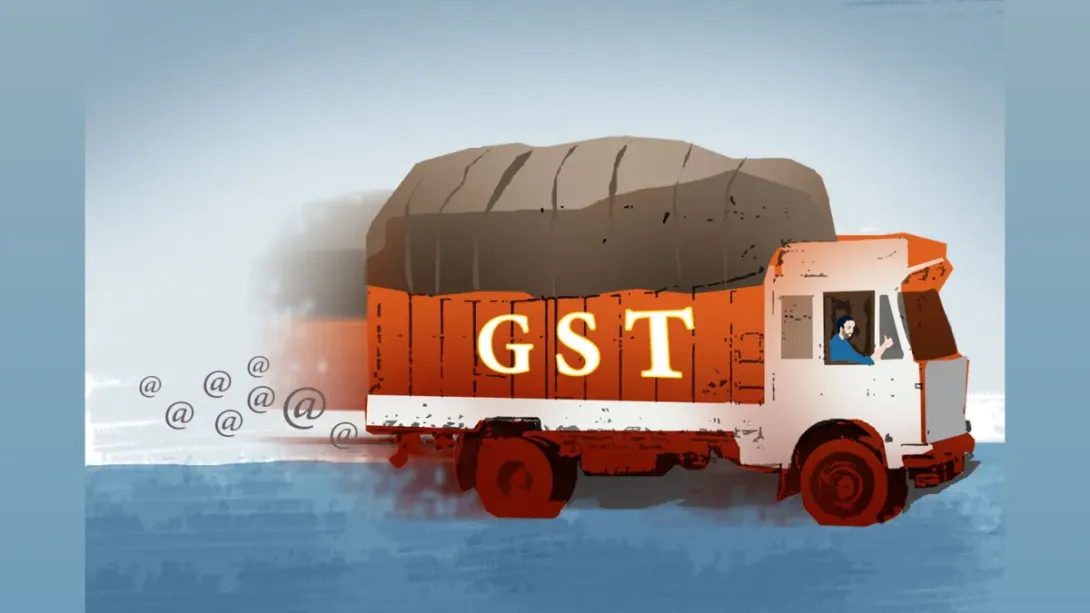
India’s Finance Minister has indicated that the nation is not yet prepared to adopt a single Goods and Services Tax (GST) rate, highlighting the complexities inherent in balancing fiscal federalism with uniform taxation. While the GST framework has streamlined indirect taxation since its implementation, disparities among states and sectors persist, making a one-rate system challenging. The Minister emphasized that a harmonized rate would require extensive consultation, careful calibration, and a phased approach to avoid revenue shocks for states heavily reliant on GST collections. The statement underscores the government’s cautious yet strategic approach to tax reforms amid evolving economic dynamics.
Current GST Landscape in India
Since its introduction, the GST regime has unified multiple indirect taxes under a single umbrella, simplifying compliance for businesses and boosting transparency. However, the system continues to operate with multiple tax slabs—5%, 12%, 18%, and 28%—reflecting the diverse economic landscape and consumption patterns across the country. State governments retain some autonomy, and certain goods and services, like petroleum products, are still outside GST, adding layers of complexity.
Challenges of a Single GST Rate
The Finance Minister highlighted that transitioning to a single GST rate poses significant challenges. A uniform rate could disproportionately affect states depending on GST revenue, potentially leading to fiscal imbalances. Additionally, consumption patterns, production capacities, and socio-economic factors vary widely across regions, making a single rate impractical without extensive policy recalibration.
Need for Careful Consultation
Any major overhaul of the GST system requires broad-based consultations with state governments, industry stakeholders, and tax experts. The Minister stressed that a phased, evidence-based approach is necessary to avoid unintended disruptions in revenue streams or inflationary pressures. Such deliberations aim to ensure that economic efficiency does not come at the cost of regional equity or fiscal stability.
Strategic Outlook
While the government continues to explore avenues for rationalizing GST rates, the priority remains revenue stability and ease of compliance. Analysts suggest that incremental adjustments, targeted rate reductions, or rationalization of exemptions could pave the way for eventual harmonization without destabilizing state finances. The Finance Ministry’s cautious stance signals a pragmatic approach, balancing reform ambitions with economic realities.
Comments