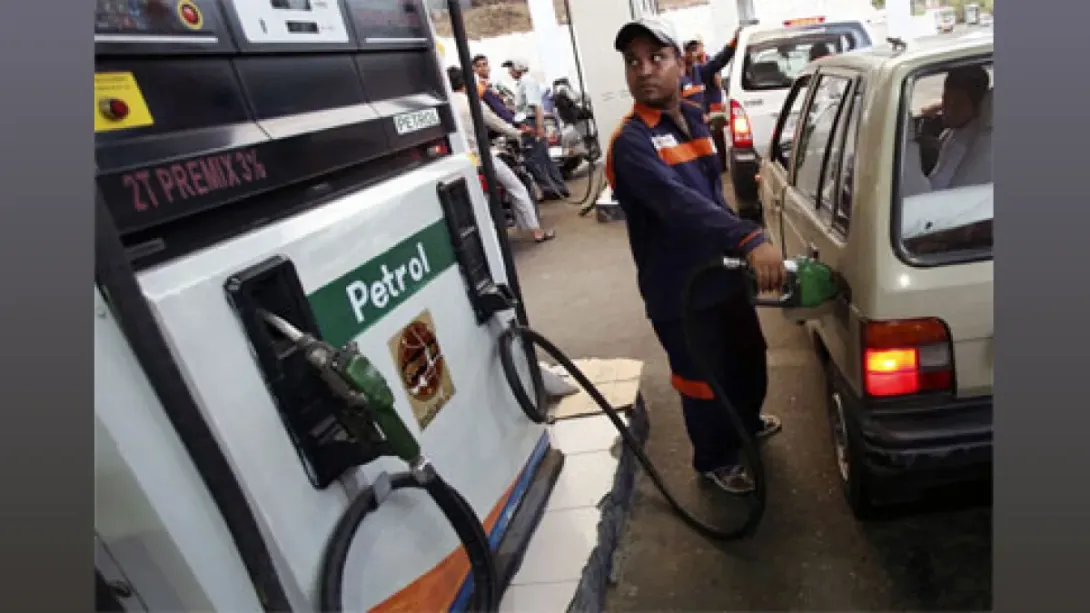
India’s petrol pump network has crossed a significant milestone, surpassing 1 lakh outlets nationwide after doubling over the past decade. The rapid expansion reflects rising fuel demand, improved road infrastructure and policy reforms that have encouraged wider private and public sector participation. Growth has been particularly strong in rural and semi-urban areas, supporting economic activity and improving last-mile energy access. The expansion underscores the scale of India’s mobility-driven economy, even as the country accelerates its transition toward cleaner fuels and electric mobility. For the energy sector, the milestone highlights both opportunity and structural change.
A Decade of Rapid Expansion
The number of fuel retail outlets in India has more than doubled over the last ten years, crossing the 1 lakh mark for the first time. This growth has been driven by rising vehicle ownership, expanding highway networks and sustained demand from freight and logistics.
State-owned oil marketing companies have led much of the expansion, complemented by private players that have steadily increased their footprint. Policy changes easing norms for dealership allocation and land requirements have further accelerated network growth across states.
Rural Reach and Economic Impact
One of the most notable aspects of this expansion has been its reach beyond major cities. Thousands of new petrol pumps have been established in rural and semi-urban regions, improving fuel accessibility for agriculture, small businesses and local transport operators.
Economists note that improved fuel availability reduces logistics costs and supports regional development. For many underserved areas, a petrol pump also acts as a micro economic hub, generating employment and ancillary commercial activity.
Infrastructure and Mobility Trends
The surge in fuel outlets mirrors India’s broader infrastructure push. Investments in national highways, rural roads and freight corridors have expanded traffic volumes, making previously unviable locations commercially attractive.
At the same time, changing mobility patterns—such as increased personal vehicle use and growing e-commerce logistics—have sustained fuel demand despite efficiency gains in engines. This has encouraged oil companies to deepen penetration to capture volumes closer to consumption points.
Transition Pressures and Future Readiness
While the expansion underscores strong fossil fuel demand, it also raises questions about long-term relevance amid India’s clean energy transition. Electric vehicles, alternative fuels and tighter emission norms are gradually reshaping the energy landscape.
In response, many fuel retailers are diversifying. New outlets increasingly include electric vehicle charging points, compressed natural gas facilities and non-fuel retail offerings to future-proof investments and enhance profitability.
Balancing Growth With Energy Transition
Crossing 1 lakh petrol pumps marks a symbolic and operational milestone for India’s energy sector. It reflects the realities of a fast-growing economy where mobility remains central to growth. Yet it also highlights the challenge of balancing current demand with future sustainability goals.
Comments