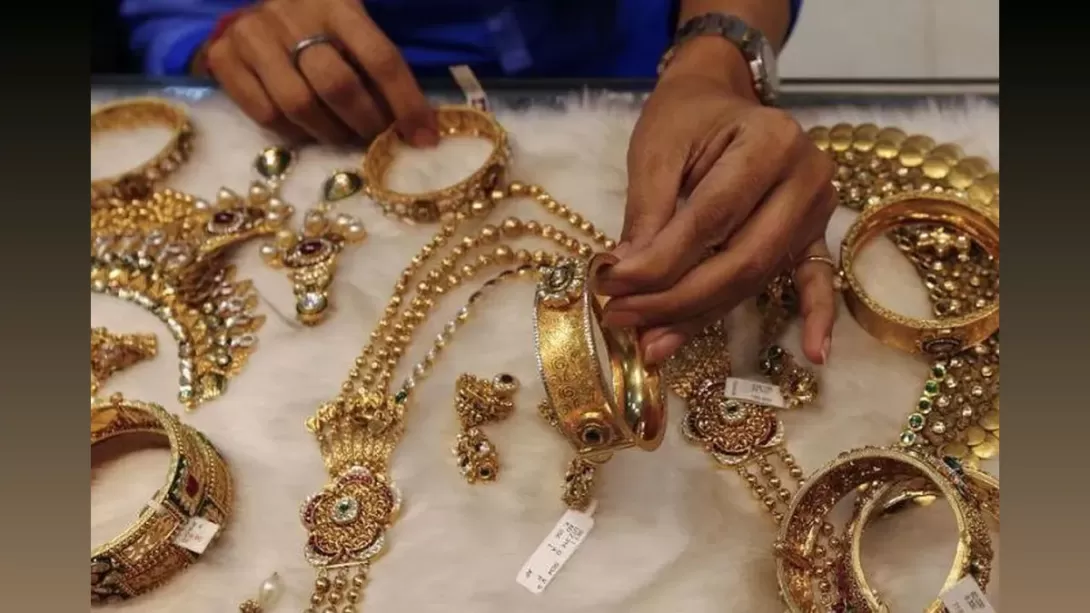
India’s gem and jewellery export sector, a vital contributor to the nation’s trade earnings, experienced a 4.62% year-on-year decline in April, reflecting a cautious global demand environment. According to data released by the Gem and Jewellery Export Promotion Council (GJEPC), exports dropped to USD 2,037.06 million from USD 2,135.7 million a year earlier. Declines were observed across key categories such as cut and polished diamonds and gold jewellery. However, some segments, including coloured gemstones, managed to post gains, indicating nuanced shifts in demand patterns. The figures suggest the industry is navigating both cyclical softness and evolving consumer preferences.
Export Overview: Sector Faces Headwinds in Early FY26
India’s total gem and jewellery exports for April 2025 fell to USD 2.04 billion, down from USD 2.14 billion in April 2024. This modest contraction reflects a combination of geopolitical tensions, inflationary pressures in major economies, and shifting global luxury spending patterns that have tempered demand.
While India remains one of the world’s leading hubs for gemstone processing and jewellery manufacturing, April’s data reveals that the sector is feeling the strain of tightening macroeconomic conditions in key export markets such as the United States, the Middle East, and Europe.
Cut and Polished Diamonds: Margins Under Pressure
The cornerstone of India’s gem trade—cut and polished diamonds—registered a 6.12% decline in exports, totaling USD 1,108.74 million compared to USD 1,180.99 million a year ago. This drop aligns with a broader cooling in the global luxury goods sector, where discretionary spending has shown signs of tapering.
Additionally, increased competition from synthetic alternatives and macroeconomic uncertainty have softened demand from retail giants and wholesalers, traditionally strong buyers of Indian-cut diamonds.
Gold Jewellery: Subdued Demand in Key Markets
Gold jewellery exports also saw a downturn, slipping by 5.41% to USD 684.51 million in April 2025, from USD 723.63 million during the same month in the previous fiscal year. Volatile gold prices, coupled with geopolitical uncertainties and reduced footfall in international retail markets, are weighing on the segment’s performance.
While long-term fundamentals for gold remain strong, driven by cultural demand and inflation hedging, short-term export numbers suggest a more tempered pace of growth for Indian jewellers in the overseas markets.
Lab-Grown Diamonds: A Market Finding Stability
In contrast to the broader diamond category, lab-grown diamonds showed relative stability. Exports dipped marginally by just 0.41%, coming in at USD 110.74 million compared to USD 110.29 million in April last year. This near-flat performance indicates a maturing segment that is beginning to hold its ground.
As environmentally conscious consumers increasingly gravitate toward sustainable and ethically sourced products, the lab-grown diamond market in India may be on the cusp of broader acceptance and longer-term growth.
Silver Jewellery and Coloured Gemstones: Mixed Signals
Silver jewellery, often seen as a more accessible luxury option, recorded a notable decline of 12.03% with April exports valued at USD 38.3 million. Analysts attribute this to oversupply and subdued pricing in international markets.
However, not all categories painted a gloomy picture. Exports of coloured gemstones rose 11.95% to USD 27.76 million, reflecting niche demand growth—especially in bespoke jewellery and artisanal markets where vibrant stones such as emeralds, sapphires, and rubies are gaining popularity.
Strategic Outlook: Diversification and Innovation Needed
The April export data signals a transition period for India's gem and jewellery sector. To weather the current cycle and sustain its leadership in global markets, the industry must lean into innovation, digital transformation, and diversification.
Enhanced branding, expansion into emerging markets, and value-added services like bespoke design and blockchain-based certification could provide new revenue avenues. Equally crucial is India’s growing capacity in lab-grown diamonds, which may emerge as a future growth engine.
Conclusion: Sector Faces Pressures but Long-Term Promise Remains
While April’s figures suggest a slow start to FY26 for India’s gem and jewellery sector, the long-term fundamentals remain promising. With global supply chains normalizing and digital channels expanding reach, Indian exporters have ample opportunity to adapt and thrive.
By investing in technology, sustainability, and market agility, the industry can not only recover lost ground but also lead the next wave of innovation in the global luxury goods space.
Comments