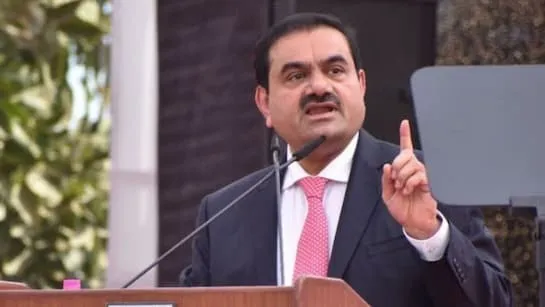
In 2025, India’s wealth landscape is dominated by a new generation of billionaires whose educational backgrounds reveal diverse paths to financial success. From globally acclaimed engineering and business schools to self-taught innovators, the country’s ultra-rich illustrate a blend of formal education and entrepreneurial acumen. Analysts observe that while elite academic credentials provide networks and foundational knowledge, visionary leadership, strategic investments, and risk-taking are equally critical drivers of wealth accumulation. This profile of India’s top billionaires underscores the interplay between education, innovation, and industry insight, offering a window into the skills and mindsets shaping the nation’s economic future.
---
Engineering Foundations and Technical Expertise
A significant number of India’s top billionaires in 2025 have strong technical or engineering foundations. Institutions such as the Indian Institutes of Technology (IITs) continue to produce graduates who leverage analytical skills, problem-solving abilities, and technological expertise to create high-value enterprises. Many leaders in sectors like IT, telecommunications, and manufacturing attribute their success to early exposure to rigorous technical curricula, combined with global business perspectives acquired through postgraduate programs or international collaborations.
---
Business Education and Global Networks
Several of India’s wealthiest entrepreneurs hold advanced degrees from premier business schools, including the Indian Institutes of Management (IIMs) and internationally recognized institutions. These programs provide strategic frameworks, financial acumen, and access to global networks that facilitate market entry, scaling, and international expansion. Analysts note that the combination of technical literacy and formal management education equips these billionaires with a versatile toolkit to navigate complex industries and competitive landscapes.
---
Self-Taught Innovators and Non-Traditional Paths
Notably, a number of top billionaires have achieved success without conventional academic trajectories. Self-taught innovators in technology, finance, and consumer sectors illustrate how hands-on experimentation, risk-taking, and continuous learning can rival formal education in producing extraordinary wealth. Their journeys highlight the importance of vision, resilience, and the ability to capitalize on emerging market trends, reinforcing the idea that education is just one of many catalysts for entrepreneurial achievement.
---
Trends Across Industries
The educational diversity of India’s top billionaires aligns with trends in key sectors such as IT services, e-commerce, renewable energy, pharmaceuticals, and fintech. Technical graduates often dominate tech-driven enterprises, while business and management alumni lead in investment, infrastructure, and global trade. This cross-sector representation reflects how education informs strategy, operational efficiency, and innovation, ultimately influencing wealth creation trajectories.
---
Conclusion
India’s billionaires in 2025 exemplify a multifaceted relationship between education and entrepreneurial success. While elite institutions provide valuable skills and networks, non-traditional routes demonstrate that vision, adaptability, and risk-taking are equally vital. Understanding the educational backgrounds of these leaders offers insights into the evolving dynamics of wealth creation in India, highlighting the blend of knowledge, innovation, and strategic acumen that defines the nation’s economic vanguard.
Comments