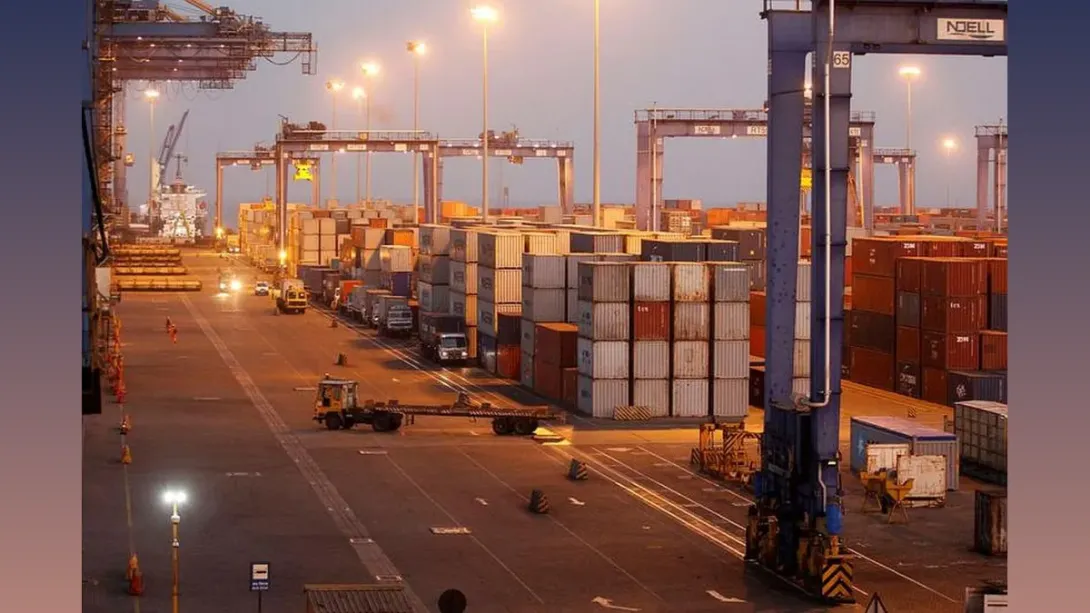
India’s manufacturing and supply chain sectors are undergoing a rapid transformation as global corporations increasingly look to diversify their production bases away from traditional hubs. With strong government backing, significant infrastructure investments, and rising domestic demand, India is positioning itself as a formidable global manufacturing and logistics powerhouse. The convergence of policy reforms, technological upgrades, and skilled labor availability is propelling the sector toward sustainable, export-oriented growth. This strategic shift is not only strengthening India’s economic resilience but also reshaping its role in the global supply chain landscape.
---
A Strategic Shift in Global Manufacturing Dynamics
As geopolitical shifts and trade uncertainties challenge existing global production models, multinational companies are reassessing their manufacturing footprints. India, with its large domestic market, competitive labor costs, and improving ease of doing business, has emerged as a natural alternative to traditional manufacturing hubs such as China and Southeast Asia.
The Indian government’s “Make in India” and Production-Linked Incentive (PLI) schemes have accelerated this transition by incentivizing local manufacturing across sectors including electronics, automotive, textiles, and pharmaceuticals. These policies aim to reduce import dependency, attract foreign direct investment (FDI), and increase India’s share in global manufacturing exports.
---
Infrastructure Push Fuels Supply Chain Efficiency
Robust infrastructure is central to enabling efficient supply chains, and India has intensified its focus on this front. Major investments in road, rail, port, and air cargo infrastructure—under programs like Bharatmala, Sagarmala, and the Gati Shakti National Master Plan—are improving connectivity between production hubs and export corridors.
Moreover, the rollout of multimodal logistics parks, integrated warehousing zones, and digitized customs clearance systems is streamlining domestic and international trade flows. These developments are not only cutting logistics costs but also improving delivery timelines, a critical factor in meeting global standards.
---
Technology and Innovation Drive Operational Agility
Technology is playing a pivotal role in modernizing India’s manufacturing and supply chain ecosystems. Companies are increasingly adopting Industry 4.0 technologies such as AI-powered demand forecasting, IoT-enabled asset tracking, robotic process automation, and smart warehousing.
This shift toward digital supply chains is enhancing visibility, reducing inventory risks, and enabling real-time decision-making. Indian startups and tech firms are also contributing to this transformation by offering agile, scalable solutions tailored to local challenges—further reinforcing India’s value proposition to global manufacturers.
---
Rising Workforce Competence and Skilling Initiatives
India’s demographic advantage is being effectively harnessed through large-scale skilling initiatives aimed at creating a future-ready manufacturing workforce. Schemes such as Skill India, the National Apprenticeship Promotion Scheme, and partnerships with private players are helping bridge skill gaps in advanced manufacturing, automation, and supply chain management.
As a result, companies operating in India now have access to a young, tech-savvy talent pool capable of managing both traditional manufacturing operations and digitally integrated supply chains.
---
Expanding Export Opportunities and Trade Resilience
India’s export performance in sectors like electronics, pharmaceuticals, and engineering goods has shown consistent improvement. Strategic trade agreements, participation in global value chains (GVCs), and the adoption of quality standards are further enabling Indian manufacturers to access new markets and reduce their vulnerability to supply disruptions.
In addition, the country’s role as a preferred supplier of critical inputs—such as specialty chemicals and APIs—has gained prominence, particularly in the wake of supply chain shocks experienced during the COVID-19 pandemic and subsequent geopolitical tensions.
---
Conclusion
India's rise as a manufacturing and supply chain hub is not merely a cyclical upturn but a structural shift underpinned by proactive policy, infrastructure modernization, and digital innovation. As companies increasingly seek resilient, diversified, and cost-effective production bases, India is well-positioned to serve as a global manufacturing engine. The convergence of economic strategy, global demand realignment, and technological readiness is creating a unique window of opportunity that could reshape India’s economic trajectory for decades to come.
Comments