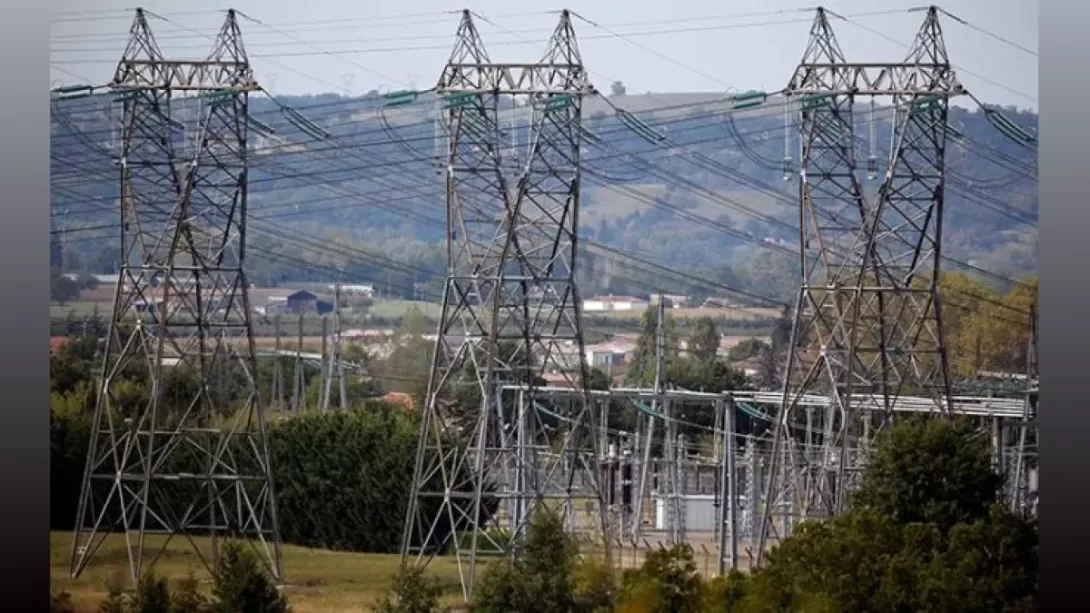
India’s electricity consumption rose by 2.2% in April 2025, reaching 147.48 billion units (BU) compared to 144.28 BU in April 2024, reflecting a steady increase in energy use. Concurrently, the country's peak power demand surged to 235.19 gigawatts (GW), setting a new benchmark for the month. This upward trend is expected to continue, with experts forecasting a significant rise in demand as the country braces for hotter-than-usual temperatures in the coming months. In May 2024, the peak power demand is projected to hit a new all-time high, signaling a potential strain on India’s energy infrastructure during the intense summer months.
Power Consumption Growth: A Step Toward Rising Demand
In April 2025, India witnessed a modest 2.2% increase in power consumption, which stood at 147.48 billion units (BU), up from 144.28 BU during the same period in 2024. This rise in demand is indicative of a steady economic recovery and increasing industrial activity, contributing to higher energy consumption across the country.
As economic activity accelerates and temperatures climb, both residential and industrial electricity usage is expected to spike. This growth trajectory is further underscored by a new peak in power demand, which reached 235.19 GW in April 2025, compared to 224.05 GW in the same month of the previous year. These statistics suggest a steady but gradual increase in energy requirements, posing both challenges and opportunities for India’s power sector.
Record-Breaking Demand: India’s Energy Needs Set to Soar
The most significant indicator of India’s increasing energy consumption came in the form of its peak power demand, which reached a record-breaking 235.19 GW in April 2025. This is a considerable rise from 224.05 GW seen in April 2024, reflecting the rising energy needs driven by a growing population, rapid urbanization, and industrial expansion.
Moreover, peak power demand is forecast to hit an all-time high of around 250 GW in May 2024. This eclipses the previous record of 243.27 GW set in September 2023, demonstrating the ongoing pressure on India's energy grid. With peak demand poised to soar during the summer months, power companies and grid operators will face heightened challenges in managing this unprecedented load.
Hotter-Than-Usual Summer: Strain on Power Infrastructure
India’s Meteorological Department (IMD) has issued warnings of hotter-than-usual temperatures expected across most parts of the country between April and June 2025. A prolonged heatwave is forecast, with several regions, including central and eastern India, as well as the northwestern plains, anticipated to experience higher-than-normal temperatures. This unusual heat pattern is expected to exacerbate power demand as air conditioning and cooling systems work overtime to keep up with the extreme conditions.
The early arrival of heatwaves in 2025 is already evident. Last year, the first heatwave struck in Odisha on April 5, but in 2025, regions like Konkan and coastal Karnataka experienced heatwaves as early as February 27-28. Experts predict a 9 to 10% increase in electricity demand during the summer season, as the intensity and duration of heatwaves are expected to push energy consumption to new peaks.
Preparing for the Summer Surge: Peak Demand Projections
The Indian Government is bracing for a significant increase in peak electricity demand during the coming months. According to official projections, peak demand is expected to reach 277 GW by the summer of 2025. This represents a notable jump from the current demand figures, placing added pressure on India’s energy infrastructure.
Industry experts believe that the country will face a growth rate in demand of 9 to 10% compared to previous years, driven by the surge in power consumption during the hotter months. In April 2025 alone, 72 heatwave days were recorded, significantly above the typical number of days, particularly in Rajasthan, Gujarat, and parts of Madhya Pradesh. The forecasted increase in heatwave days is expected to stretch the grid, with power companies already anticipating a need for emergency power management strategies.
Challenges and Opportunities for India’s Power Sector
While the growing demand for electricity signals an expanding economy, it also highlights the challenges India faces in balancing supply and demand during peak periods. The country’s power sector must not only meet the surge in demand but also adapt to the ongoing challenges posed by climate change and extreme weather conditions.
The rise in demand also presents a significant opportunity for energy companies. As power usage grows, the demand for renewable energy solutions such as solar and wind power is expected to rise as well. The government’s push for clean energy infrastructure under its renewable energy targets could help mitigate some of the risks posed by rising consumption and extreme weather patterns.
Furthermore, smart grid technology, energy storage, and demand response programs could play critical roles in managing peak demand. Energy efficiency measures will become increasingly essential to ensure that the power sector can meet future needs without compromising environmental sustainability.
Looking Ahead: Preparing for India’s Energy Future
As India navigates a higher demand for electricity in the face of rising temperatures and industrial growth, the focus will likely shift toward both infrastructure upgrades and technological innovation. The government’s continued investments in renewable energy, along with advancements in smart grid technology and energy management systems, will be pivotal in meeting the country’s growing energy needs.
Moreover, with the potential for increased demand and the corresponding rise in energy consumption, investors and market analysts will be paying close attention to the performance of India’s power sector. Companies involved in renewable energy, grid management, and energy efficiency technologies are poised for significant growth, as India positions itself as a global leader in sustainable energy solutions.
In conclusion, India’s power consumption patterns, particularly in light of the upcoming summer demand surge, underscore both the challenges and opportunities in the energy sector. As the country adapts to climate change and rapidly expanding energy needs, the future of India’s power sector will depend on smart planning, strategic investments, and the transition toward cleaner, more reliable energy sources.
Comments