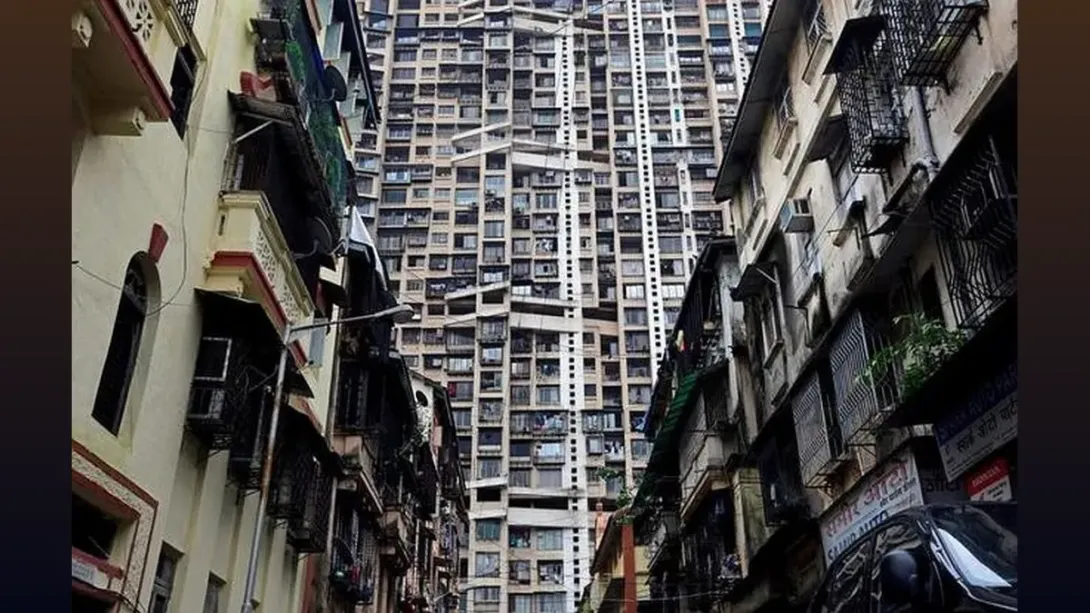
India’s real estate sector witnessed a 48% surge in investments, reaching $3.8 billion in the latest reporting period, reflecting robust market confidence and renewed investor interest. The growth spans residential, commercial, and mixed-use developments, with tier-1 cities leading inflows, supported by strong demand, favorable interest rates, and a rebound in corporate leasing activity. Analysts highlight that domestic and foreign institutional investors are actively participating, driven by India’s urbanization trends and attractive risk-adjusted returns. This uptrend underscores a revitalized investment landscape, with the sector poised to benefit from continued economic expansion, policy support, and increasing demand for quality real estate assets.
---
Drivers of Investment Growth
Several factors contributed to the notable rise in real estate investments:
Urban Demand: Tier-1 cities, including Mumbai, Bengaluru, Delhi-NCR, and Hyderabad, continue to attract substantial capital due to residential and office space demand.
Favorable Financing Conditions: Low interest rates and improved credit availability have enabled developers and investors to mobilize capital efficiently.
Institutional Participation: Domestic and foreign investors are increasingly targeting large-scale residential, commercial, and logistics projects, drawn by stable yields and capital appreciation prospects.
Policy Support: Government initiatives such as REITs, affordable housing incentives, and streamlined approvals are enhancing investment confidence.
Experts note that portfolio diversification strategies and demand for high-quality, income-generating assets are further driving institutional allocations.
---
Sector-Wise Investment Trends
The investment growth is spread across key segments:
Commercial Real Estate: Office leasing has rebounded post-pandemic, with corporates seeking modern spaces, driving acquisitions and redevelopment projects.
Residential Projects: Demand for premium and affordable housing in urban and peri-urban areas is attracting both developers and private equity funds.
Industrial & Logistics: E-commerce expansion and supply chain modernization have heightened investor interest in warehouses and logistics hubs.
This diversified inflow signals confidence in long-term urban growth and sector resilience across multiple asset classes.
---
Regional Distribution
Tier-1 cities remain the primary beneficiaries of investment inflows, accounting for a significant portion of the $3.8 billion. Meanwhile, emerging Tier-2 and Tier-3 cities are seeing gradual institutional interest, particularly in residential and commercial developments where cost efficiencies and high growth potential exist.
Analysts suggest that as secondary cities improve infrastructure and connectivity, investors may increasingly allocate capital beyond traditional metropolitan hubs, creating a broader investment landscape.
---
Implications for Market and Economy
The surge in real estate investments has multiple implications:
Boost to Construction Activity: Capital inflows support project launches, employment generation, and allied industries.
Enhanced Urban Infrastructure: Investment in commercial and mixed-use developments contributes to improved urban planning and amenities.
Investor Confidence: Rising investments indicate a favorable perception of India’s long-term real estate fundamentals and regulatory environment.
Industry observers note that sustained inflows can stabilize property prices, improve liquidity, and attract further foreign capital, reinforcing the sector’s role in economic growth.
---
Outlook
Given current trends, India’s real estate market is positioned for continued investment growth, with expectations of further capital inflows in both traditional and emerging asset classes. The combination of strong urban demand, supportive policies, and robust financing structures suggests that the $3.8 billion milestone could mark the beginning of a multi-year expansion trajectory.
Investors and developers are likely to continue leveraging market recovery, yield stability, and high-growth urban centers, ensuring that India remains a key destination for global and domestic real estate capital.
Comments