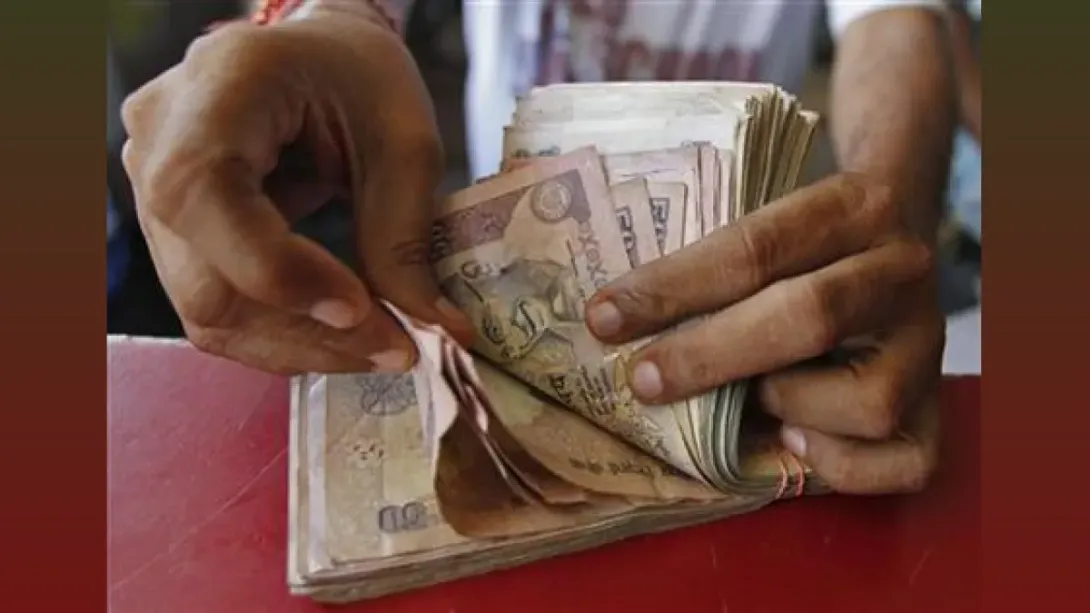
India's services sector expanded at its fastest pace in nearly a year in July 2025, marking an 11-month high in activity driven by a sharp rise in new business and robust demand conditions. With the Services Purchasing Managers’ Index (PMI) climbing to 62.3, up from 60.5 in June, the data points to sustained momentum in one of the country’s largest economic contributors. The upbeat trend signals resilient domestic consumption, expanding client bases, and improved business confidence—despite global uncertainties and elevated input costs. The surge reinforces India’s broader economic resilience, positioning the services sector as a key driver of post-pandemic recovery and near-term GDP growth.
---
Strong Domestic Demand Fuels Services Sector Rally
India’s services sector, which accounts for more than half of the country’s GDP, demonstrated a powerful rebound in July, reaching its highest growth rate in nearly a year. The Services PMI surged to 62.3—well above the 50-mark that separates expansion from contraction—indicating strong sector-wide momentum.
The uptick was largely attributed to robust domestic demand across sectors such as information technology, finance, hospitality, and real estate. Companies reported a significant increase in new orders, which not only boosted output levels but also encouraged greater hiring and capacity expansion in key urban centers.
---
Client Expansion and Optimism Drive Business Momentum
The July data suggests that Indian service providers benefited from a broad-based rise in clientele, including both corporate and retail clients. Firms cited higher consumer spending, favorable market sentiment, and sustained infrastructure investments as factors supporting the upswing. Notably, export demand—while still improving—remained modest, making domestic resilience the key growth anchor.
Business sentiment for the year ahead remained optimistic, with many companies expressing confidence in continued demand and expansion opportunities. The growing footprint of digital services, fintech solutions, and logistics further supported the bullish outlook.
---
Input Costs and Margins: A Mixed Picture
Despite the positive growth momentum, service providers continued to face rising input costs—particularly in terms of wages, logistics, and raw materials. However, the overall pace of inflation was slower than earlier quarters, offering some relief to operating margins.
Many firms were able to partially pass on increased costs to customers through price adjustments, especially in discretionary services like travel, leisure, and personal care. Yet, competitive pressures in price-sensitive sectors continued to limit full cost pass-through.
---
Employment Sees Modest Uptick
The rise in business volumes prompted companies to increase their workforce, albeit at a modest pace. Recruitment activity was strongest in IT, professional services, and customer support sectors, where rising demand for talent is triggering both wage growth and greater mobility.
Though not yet at pre-pandemic hiring levels, employment trends suggest steady normalization in workforce planning. Improved order books and favorable forecasts are likely to drive stronger hiring decisions in the second half of the fiscal year.
---
Services Sector: An Engine for Broader Economic Growth
The resurgence in services complements growth seen in India’s industrial and manufacturing sectors, presenting a more balanced and inclusive economic recovery. The government’s ongoing focus on digital transformation, urban infrastructure, and ease of doing business is expected to further catalyze services sector performance.
With interest rates stabilizing and inflation showing signs of moderation, analysts anticipate sustained momentum in services over the coming quarters. The sector’s strong showing in July sets the stage for a robust second quarter GDP print and bodes well for investor confidence across equity and fixed-income markets.
---
Outlook: Cautious Optimism Amid Global Headwinds
While the domestic outlook remains upbeat, global headwinds such as tightening global monetary policy, geopolitical tensions, and trade disruptions continue to pose risks to the external-facing components of India’s services sector. Nevertheless, India’s structural strengths—including a vast consumer base, digital infrastructure, and rising middle-class spending—position the country to weather global volatility better than many peers.
As India eyes a broader economic transformation, the services sector stands at the center of the country’s growth narrative—agile, adaptive, and poised for sustained expansion.
Comments