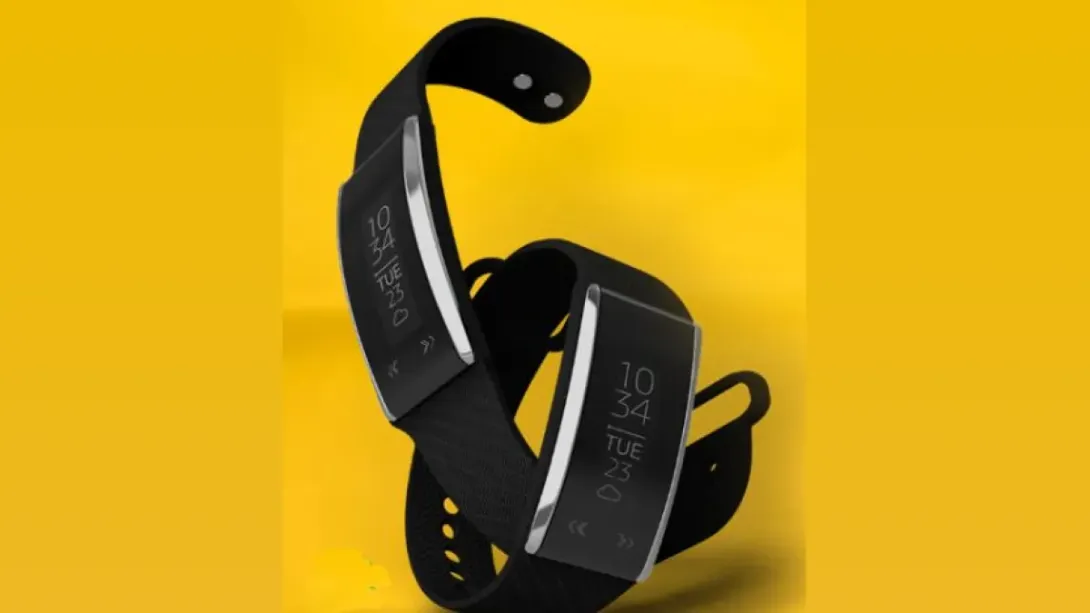
India’s wearable device market registered a slowdown in growth, with smartwatch shipments falling in recent quarters after several years of exponential expansion. The decline reflects changing consumer demand patterns, inventory adjustments, and increasing competition across price segments. While basic wearables such as fitness bands continue to maintain a presence, their market share has shrunk in the face of shifting preferences. Analysts note that the moderation in smartwatch sales signals the beginning of a more mature growth cycle for the sector, where differentiation, innovation, and brand loyalty will determine long-term winners.
Market Performance and Key Trends
Smartwatch sales, which once fueled the rapid expansion of India’s wearable sector, have recently witnessed a sharp decline. The slowdown is attributed to a saturation effect in the entry-level price segment, where aggressive competition and heavy discounting have eroded margins. Consumers who adopted their first smartwatch during the pandemic-driven digital boom are now delaying upgrades, contributing to weaker demand.
Impact of Consumer Spending Patterns
Rising inflationary pressures and cautious household spending have also influenced buying behavior. While aspirational demand for smart devices remains intact, consumers are increasingly prioritizing durability and after-sales service over frequent purchases. This trend has affected brands heavily reliant on volume-driven strategies, while established players with strong ecosystems have managed to maintain relative stability.
Industry Dynamics and Competitive Pressures
The wearable market has seen an influx of domestic and international brands competing aggressively across price points. Intense competition has led to product overlap, making differentiation difficult. Industry observers suggest that companies will now need to focus on innovation—such as integrating health monitoring, AI-enabled features, and longer battery life—to retain consumer interest. The emphasis is shifting from price wars to creating value-driven ecosystems that tie wearables with other smart devices.
Broader Outlook for the Wearable Ecosystem
Despite the slowdown, the long-term outlook for India’s wearable market remains positive. Rising health awareness, increasing smartphone penetration, and growing interest in connected devices will continue to drive adoption. However, the industry is transitioning from a hyper-growth phase to a consolidation stage, where brand credibility, design quality, and software integration will define competitiveness.
Conclusion
The decline in smartwatch sales represents a natural recalibration of India’s wearable market after years of unbroken growth. While short-term demand may remain subdued, the sector’s fundamentals remain strong, with innovation and ecosystem development likely to fuel the next phase of expansion. For consumers, the shift signals better product quality and more meaningful technological upgrades, while for companies, it highlights the need to balance affordability with sustainable value creation.
Comments