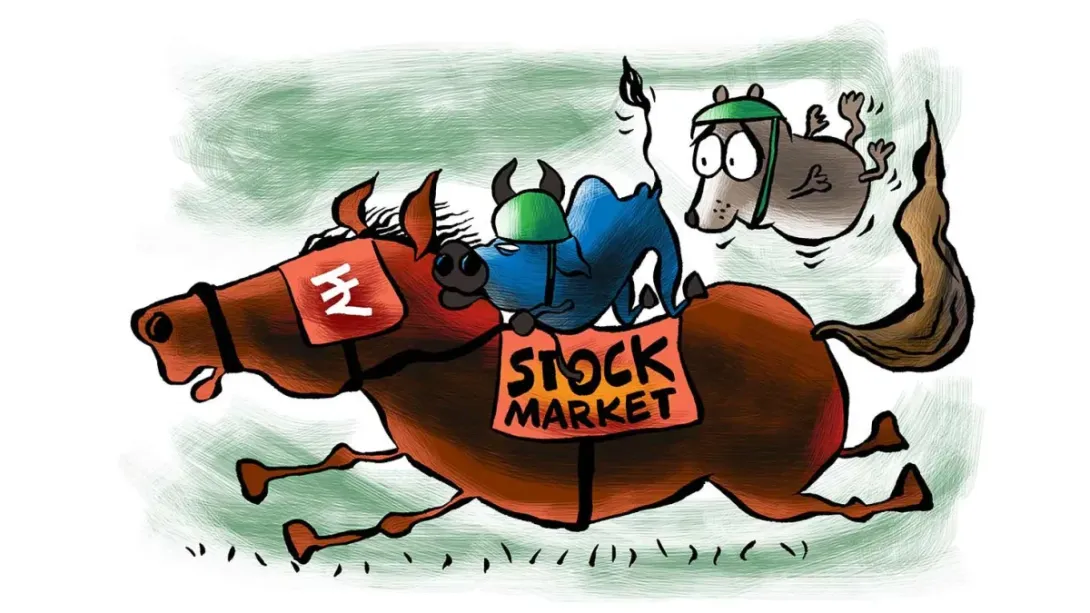
Equity markets are navigating a complex environment shaped by inflation trends, foreign institutional investor activity and shifting global cues. Movements in prices, interest-rate expectations and cross-border capital flows are influencing investor sentiment and day-to-day market direction. While domestic fundamentals remain supportive, external developments—from central bank decisions to geopolitical tensions—continue to inject volatility. Market participants are closely tracking inflation data for signals on monetary policy, alongside FII positioning as a gauge of risk appetite. Together, these factors are emerging as the primary drivers shaping near-term equity performance and portfolio strategies.
Inflation as a Policy and Market Catalyst
Inflation remains a central variable for markets, as it directly influences interest-rate expectations and corporate margins. Elevated price pressures tend to tighten financial conditions, weighing on equity valuations, while signs of moderation can trigger relief rallies.
Investors are particularly focused on food and energy inflation, which have an outsized impact on headline numbers. Any deviation from forecasts can quickly alter expectations around central bank policy, making inflation data one of the most closely watched inputs for market direction.
Role of Foreign Institutional Investors
Foreign institutional investors continue to play a decisive role in shaping short-term market movements. Large inflows often provide momentum to benchmark indices, while sustained outflows can amplify corrections.
FII behavior is closely linked to global liquidity conditions, currency movements and relative valuations across markets. In periods of global uncertainty, emerging markets tend to see heightened volatility as foreign capital reallocates toward perceived safe havens.
Global Cues and Risk Sentiment
International developments remain a powerful influence on domestic equities. Signals from major central banks, trends in U.S. bond yields and movements in global commodity prices frequently set the tone for local trading sessions.
Geopolitical developments and macroeconomic data from large economies also shape risk appetite. Markets increasingly react in real time to global headlines, reflecting the interconnected nature of modern financial systems.
Interplay of Domestic Strength and External Pressure
While domestic growth prospects and corporate earnings provide a structural foundation for equities, external pressures can dominate in the short term. Strong fundamentals may cushion declines but do not fully insulate markets from global shocks.
This dynamic has encouraged investors to adopt a more selective approach, focusing on sectors and companies with pricing power, strong balance sheets and visibility of earnings.
Outlook for Investors
In the near term, market direction is likely to hinge on how inflation evolves, whether FII flows stabilize and how global cues unfold. Volatility may persist, but long-term investors may view such phases as opportunities to rebalance portfolios.
A disciplined focus on fundamentals, combined with awareness of macro drivers, remains essential for navigating markets influenced by both domestic resilience and global uncertainty.
Comments