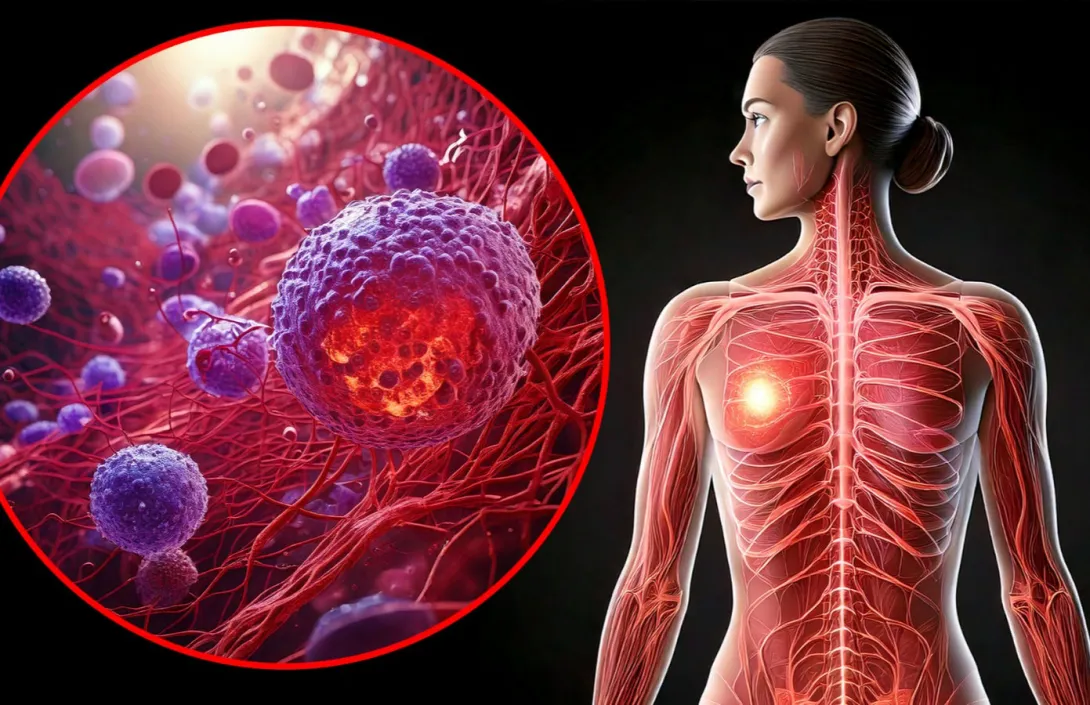
Recent research explores the potential link between ketogenic diets—low-carbohydrate, high-fat nutritional regimens—and breast cancer prevention and treatment outcomes. Studies suggest that reducing glucose availability through ketosis may inhibit tumor growth and improve therapeutic response in certain breast cancer subtypes. While the diet shows promise as a complementary intervention, experts caution that it should not replace conventional therapies such as surgery, chemotherapy, or hormone treatments. Adoption of ketogenic strategies must consider individual metabolic health, nutritional adequacy, and long-term sustainability. Economically, the integration of diet-based interventions could reduce treatment-related costs, potentially saving Rs. 2,500–3,500 crore annually in high-incidence regions.
The Science Behind Keto and Cancer
The ketogenic diet is designed to shift the body’s metabolism from glucose-based energy to ketone utilization, primarily through high-fat, moderate-protein, and very low-carbohydrate intake. Cancer cells, particularly in breast tumors, often rely heavily on glucose for proliferation—a phenomenon known as the Warburg effect.
Preclinical studies indicate that limiting glucose availability can slow tumor growth, enhance chemotherapy efficacy, and reduce systemic inflammation. Dr. Priya Menon, an oncologist specializing in metabolic interventions, explains: “The ketogenic diet may create a metabolic environment that challenges cancer cells while sparing healthy tissues, but it must be carefully monitored to avoid nutritional deficiencies or metabolic complications.”
Clinical Implications and Patient Considerations
While emerging evidence is promising, clinical trials remain limited. The diet may be most effective as a complementary approach for patients undergoing standard therapies. Key considerations include:
- Nutritional adequacy: Ensuring sufficient vitamins, minerals, and protein to support immune function and recovery.
- Metabolic monitoring: Regular assessment of blood ketones, glucose, and lipid profiles to prevent adverse effects.
- Personalization: Tailoring macronutrient ratios to individual metabolic status and cancer subtype.
Patients with comorbidities such as diabetes, kidney disease, or cardiovascular issues require specialized supervision to mitigate risks associated with high-fat diets.
Economic and Healthcare Impact
Integrating diet-based interventions into breast cancer management could reduce treatment-related complications, hospitalization duration, and supportive care costs. Conservative estimates suggest that widespread adoption of keto-informed nutritional programs could generate savings of Rs. 2,500–3,500 crore annually in India alone, by enhancing patient outcomes and potentially lowering reliance on costly adjunct therapies.
Moreover, health systems investing in nutritional education, counseling, and monitoring infrastructure may achieve long-term cost-efficiency while improving survivorship and quality of life.
Research and Future Directions
Ongoing research focuses on elucidating the mechanistic link between ketone metabolism and tumor suppression, as well as determining optimal dietary protocols for diverse breast cancer subtypes. Multi-center clinical trials are assessing:
- Synergistic effects of ketogenic diets with chemotherapy, immunotherapy, and radiotherapy.
- Long-term adherence, sustainability, and patient quality-of-life outcomes.
- Biomarker-driven personalization of metabolic interventions.
Additionally, nutrigenomics and AI-driven dietary modeling may allow for precision nutrition strategies, enhancing efficacy while minimizing adverse effects.
Cautions and Public Health Considerations
Experts stress that ketogenic diets are not a standalone cure. Misapplication or unsupervised adherence can lead to nutrient deficiencies, lipid abnormalities, and gastrointestinal issues. Public health campaigns should focus on evidence-based guidance, personalized nutritional counseling, and integration with conventional cancer care.
Educational initiatives targeting patients, caregivers, and oncologists are critical to ensure safe implementation, maximize benefits, and prevent misinformation about diet-based cancer therapies.
Conclusion
The ketogenic diet represents a promising adjunct in breast cancer management, offering potential metabolic benefits that complement standard treatments while reducing some economic burdens. Early research indicates that targeted nutritional strategies may slow tumor progression, improve therapy responsiveness, and enhance overall patient well-being.
However, successful integration requires personalization, medical supervision, and careful monitoring, emphasizing the need for robust clinical trials and healthcare infrastructure. For policymakers, healthcare providers, and investors, keto-informed interventions present opportunities to enhance patient outcomes, optimize resource allocation, and reduce treatment costs while advancing the frontier of metabolic oncology.
Comments