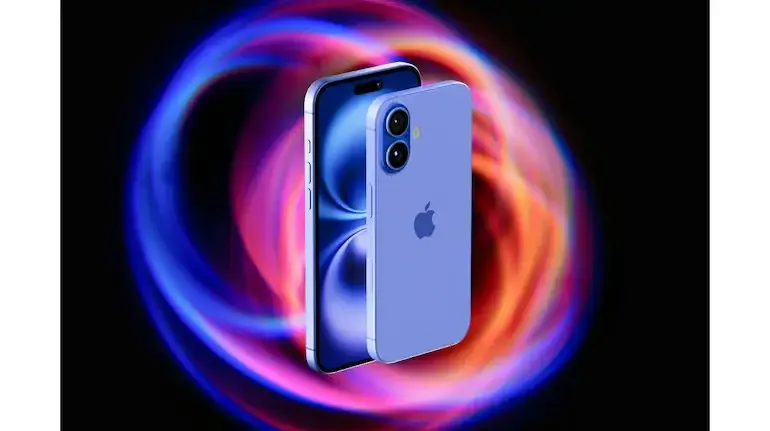
Apple’s iPhone has strengthened its position in the global smartphone market, recording notable growth despite heightened competition from rivals and a volatile macroeconomic backdrop. Strong demand in both developed and emerging markets, coupled with consumer preference for premium devices, has buoyed Apple’s market share. While global smartphone shipments have remained relatively subdued due to economic headwinds, Apple has successfully leveraged its brand loyalty, financing options, and ecosystem integration to maintain resilience. The company’s performance underscores a shift in consumer behavior, where high-end devices are increasingly prioritized, even as overall industry growth slows.
Premium Smartphones Outpace Industry Growth
The global smartphone industry continues to grapple with challenges ranging from inflationary pressures to weakened consumer spending. Yet, the premium segment—particularly devices priced above Rs. 60,000—has displayed resilience. Apple’s iPhone has emerged as a clear winner in this space, capturing a growing share of demand from aspirational buyers who view the device as a long-term investment. This divergence reflects a broader trend: while budget and mid-range categories face stagnation, premium devices are driving profitability for manufacturers.
Apple’s Expanding Market Share
Apple’s growth trajectory is evident in its rising global market share. The company has steadily climbed in regions such as India, where financing schemes, trade-in offers, and local manufacturing have made the iPhone more accessible. In developed economies, upgrade cycles and integration with services such as iCloud, Apple Music, and Apple Pay have further strengthened consumer loyalty. Industry analysts suggest Apple’s premium positioning shields it from much of the price sensitivity affecting competitors.
Competitive Landscape and Challenges
Despite its gains, Apple faces stiff competition from brands such as Samsung, Xiaomi, and OnePlus, which continue to expand in both flagship and mid-range categories. Moreover, geopolitical uncertainties, supply-chain disruptions, and currency fluctuations present hurdles. Apple’s ability to diversify production across multiple markets, particularly in India and Vietnam, is seen as a strategic move to mitigate such risks while meeting rising demand.
Outlook for the Smartphone Industry
Looking ahead, the global smartphone market is expected to see modest recovery, with demand likely driven by next-generation technologies such as artificial intelligence integration, 5G adoption, and foldable displays. Apple, with its strong ecosystem and reputation for innovation, is well positioned to capitalize on these trends. However, sustaining growth will depend on how effectively it balances premium pricing with accessibility in cost-sensitive markets.
Comments