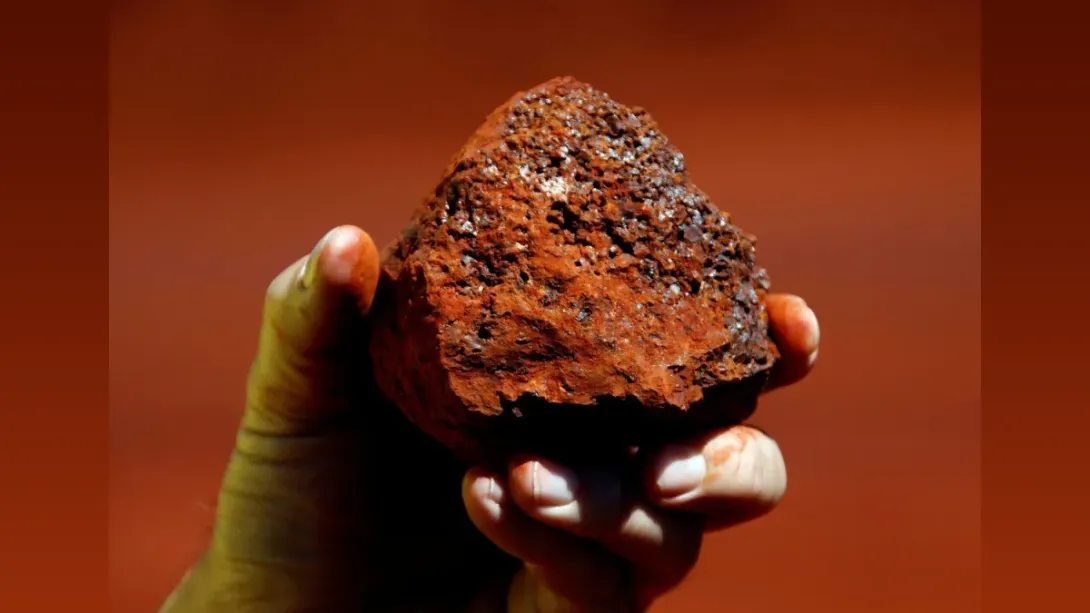
Jindal Steel has successfully secured the Thakurani-A1 iron ore block, marking a significant step in strengthening its raw material supply chain and long-term production strategy. The acquisition is expected to enhance the company’s resource security while supporting expansion in steel manufacturing. As demand for steel continues to rise in India due to infrastructure development and industrial growth, securing access to high-quality iron ore has become strategically important for major producers. Industry analysts believe the development will improve operational efficiency, reduce dependence on external suppliers, and reinforce Jindal Steel’s position within the highly competitive domestic steel industry.
Strategic Win in India’s Mining Sector
Jindal Steel and Power has secured the Thakurani-A1 Iron Ore Block, strengthening its access to a key raw material required for steel production. The successful acquisition represents a strategic milestone for the company as it continues to expand its presence across India’s mining and metals sector.
Iron ore remains the fundamental input for steel manufacturing, and consistent access to high-quality reserves is critical for ensuring long-term operational stability. By securing this mining asset, Jindal Steel aims to reinforce its integrated business model, which combines mining operations with large-scale steel production.
Industry observers note that vertical integration has become an increasingly important strategy among major steel producers seeking greater control over supply chains and cost structures.
Enhancing Raw Material Security
For steel manufacturers, raw material costs account for a substantial portion of overall production expenses. Fluctuations in iron ore prices can significantly impact profit margins, particularly during periods of supply disruption or increased global demand.
Owning or controlling mining assets allows companies to mitigate these risks by ensuring stable supply and predictable cost structures. The acquisition of the Thakurani-A1 iron ore block therefore strengthens Jindal Steel’s ability to manage long-term production planning.
Access to captive mines can also improve logistical efficiency by reducing dependence on external suppliers and minimizing transportation costs.
Growing Demand for Steel in India
India’s steel sector is experiencing strong growth, fueled by expanding infrastructure projects, urban development, and government-led industrial initiatives. Large-scale investments in roads, railways, ports, and housing have significantly increased demand for steel products across the country.
According to industry projections, India is expected to remain one of the fastest-growing steel markets globally over the next decade. Domestic producers are therefore actively investing in capacity expansion, technological upgrades, and resource security.
Against this backdrop, securing iron ore reserves has become a strategic priority for companies seeking to maintain competitiveness in a rapidly evolving market.
Mining Sector Reforms Encourage Investment
The Indian government has introduced several policy reforms in recent years to increase transparency and efficiency in the allocation of mineral resources. Competitive auctions for mining blocks have become the primary method for granting exploration and extraction rights.
These reforms are intended to promote fair competition, attract private investment, and ensure optimal utilization of the country’s mineral wealth. For companies like Jindal Steel, participation in such auctions provides an opportunity to expand resource portfolios through transparent bidding processes.
The acquisition of the Thakurani-A1 block demonstrates how leading industrial groups are leveraging these policy frameworks to secure long-term access to critical raw materials.
Strengthening Integrated Steel Operations
Jindal Steel’s business model increasingly emphasizes vertical integration across the mining, processing, and manufacturing stages of the steel value chain. Such integration allows the company to improve operational efficiency while maintaining greater control over product quality and cost management.
By incorporating captive mining resources into its production ecosystem, the company can align raw material availability with manufacturing capacity. This strategy is particularly important in an industry where supply disruptions can quickly affect production schedules.
Analysts believe that integrated operations will continue to play a vital role in the competitive positioning of major steel manufacturers.
Outlook: Long-Term Growth Prospects
The acquisition of the Thakurani-A1 iron ore block represents more than a short-term operational advantage. It reflects a broader strategic vision aimed at strengthening resource security and supporting long-term industrial expansion.
As India continues to invest heavily in infrastructure and manufacturing, steel demand is expected to remain robust. Companies with reliable access to raw materials will be better positioned to capitalize on this growth while maintaining stable production costs.
For Jindal Steel, the newly secured mining asset provides a foundation for sustained expansion and reinforces its role as a key player in India’s rapidly evolving steel industry.
Comments