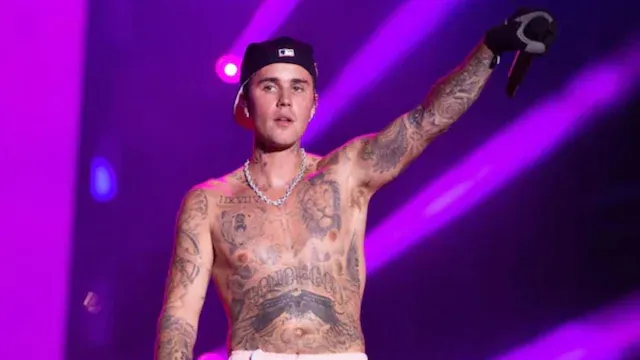
In a move that stunned fans and industry insiders alike, Justin Bieber unveiled his latest album, SWAG, without any prior promotion or teasers. The unexpected drop sent social media into a frenzy and sparked immediate discussions on streaming platforms, digital sales, and the evolving economics of surprise music releases. Bieber’s decision underscores a broader strategic shift in the global music industry, where surprise launches increasingly drive both cultural buzz and significant commercial returns. As the financial implications unfold, stakeholders are closely watching how this bold release might influence artist-label dynamics and reshape monetization patterns in the digital age.
---
A Calculated Shock: Reinventing the Album Launch
Justin Bieber’s choice to bypass traditional marketing channels and deliver SWAG unannounced is more than a mere publicity stunt; it represents a sophisticated understanding of modern consumer behavior. In today’s hyperconnected ecosystem, unpredictability itself has become a potent promotional tool.
Bieber, backed by an adept management team, likely anticipated the viral surge that accompanies surprise content. Early indicators confirm this strategy’s efficacy, with major streaming services reporting record engagement levels within hours of release. This approach leverages a psychology of immediacy—fans rush to consume new material to avoid missing out on collective cultural moments.
---
Financial Ripples: The New Economics of Streaming
While figures are still being tallied, preliminary industry estimates suggest SWAG could generate revenues surpassing Rs. 120 crore globally in its initial week, factoring in both direct streaming royalties and related merchandise sales.
Streaming platforms, eager to capitalize on such moments, often adjust algorithms to favor surprise drops, propelling songs to prominent playlist positions. This guarantees expansive exposure, translating to higher per-stream payouts. Bieber’s sizable catalog and global footprint give him the leverage to maximize earnings without heavy pre-release expenditure on marketing campaigns, illustrating a shift in how star power itself serves as capital.
---
Strategic Implications for Record Labels and Artists
The surprise drop model challenges longstanding practices in the recording industry. Conventional rollouts, involving teaser singles, media tours, and expensive advertising, are increasingly vulnerable to disruption by artists who possess strong personal brands and direct audience connections.
By releasing SWAG in this fashion, Bieber underscores a key economic reality: artists of his caliber can effectively control distribution narratives, diminishing the necessity of protracted campaigns. This evolution compels record labels to reconsider how they allocate marketing budgets and negotiate contracts tied to promotional benchmarks.
---
Cultural and Social Impact Beyond the Ledger
Beyond immediate financial metrics, Bieber’s unexpected release has reignited discourse on the cultural impact of music as a shared experience. Social media timelines were instantly flooded with reactions, analyses, and viral challenges tied to new tracks.
This organic amplification—essentially free advertising—reinforces how savvy artists convert their existing popularity into sustained brand equity. Moreover, it highlights the music industry’s growing reliance on fan-driven platforms for both dissemination and monetization. In Bieber’s case, his vast global following acted as a decentralized marketing machine, underscoring the synergy between celebrity influence and digital ecosystems.
---
A Blueprint for Future Monetization in Music
Bieber’s gamble with SWAG could well set a precedent. If revenue projections continue on their current trajectory, other high-profile artists may accelerate plans for surprise launches, rewriting conventional business models.
This scenario also creates intriguing possibilities for secondary revenue streams—exclusive digital collectibles, limited edition physical releases, or integrated brand partnerships, all benefiting from the heightened attention a surprise drop commands. The strategy’s success could prompt industry financiers to reassess risk calculations tied to promotional spends, potentially altering how advance payments and contract terms are structured.
---
Human Story Behind the Strategy
Strip away the analytics and one finds a testament to artistic autonomy and a deep understanding of audience psychology. Bieber, long a fixture in global pop, appears intent on asserting creative control while simultaneously keeping fans at the heart of the experience.
SWAG is not merely an album title; it’s emblematic of a confident, business-savvy maneuver that blends artistry with astute commercial foresight. It demonstrates that, even in an era dominated by data-driven decisions, intuition and timing remain invaluable assets in shaping both cultural moments and robust financial returns.
Comments