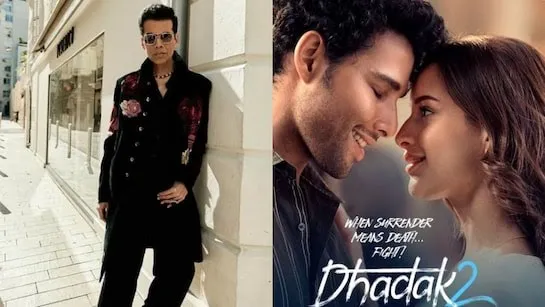
Celebrated filmmaker Karan Johar has finally spoken out about the protracted delay in the release of Dhadak 2, attributing it largely to the thorough scrutiny exercised by the Censor Board. In a candid statement, Johar emphasized that while the extended review process did test timelines, it ultimately served the film’s best interests by ensuring sensitive subjects were handled with the nuance they deserved. His remarks have sparked renewed interest in the film, positioning it as a thoughtfully vetted project rather than just another commercial sequel, and underlining the evolving standards of cinematic responsibility in India.
---
Censor Board Scrutiny: A Delay With Purpose
Karan Johar, known for shaping mainstream Bollywood narratives with emotional resonance, addressed industry speculation surrounding Dhadak 2’s delayed release. According to Johar, the Central Board of Film Certification (CBFC) took considerable time to evaluate the film due to its complex thematic layers, which demanded a careful regulatory lens.
“While it did take longer than we anticipated, I believe the process was entirely justified,” Johar remarked. “Some stories are delicate, and it is crucial they are presented in a manner that respects both the audience’s sensibilities and the socio-cultural fabric of the country.”
This perspective reframes the delay not as a bureaucratic setback but as a testament to the evolving maturity of India’s cinematic ecosystem, where filmmakers and regulators increasingly collaborate to uphold narrative integrity.
---
Creative Stakes: Why Dhadak 2 Matters More Than a Routine Sequel
As a follow-up to the 2018 hit Dhadak, which introduced Janhvi Kapoor and Ishaan Khatter, Dhadak 2 carries significant creative expectations. Industry insiders suggest that the sequel explores even deeper social fault lines, necessitating a more robust vetting process to balance artistic expression with cultural accountability.
Johar highlighted that the filmmakers were fully aligned with the need for such diligence. “We were always prepared for meaningful dialogue with the Board,” he stated, adding that this dialogue helped refine certain narrative aspects without compromising the film’s core message.
Audience Expectations and Industry Implications
The extended certification process has inadvertently built up anticipation, with audiences and trade analysts eager to see how the film navigates its sensitive themes. In an era where cinematic content often faces polarizing scrutiny, Johar’s comments serve as both a reassurance and a subtle reminder of the responsibilities that come with storytelling in India’s diverse social milieu.
Market watchers also note that such thorough reviews could set new benchmarks for upcoming projects that tackle contentious subjects, compelling producers to engage more proactively with certification norms during the scripting and editing stages.
Looking Ahead: A Film Poised for Thoughtful Reception
With certification hurdles now reportedly cleared, Dhadak 2 is set to move forward in its marketing and distribution cycle. Johar’s transparent acknowledgment of the delay’s underlying reasons may well reshape public perception, positioning the film as a mature, culturally attuned narrative rather than a rushed commercial release.
For Bollywood, this episode underscores a broader shift toward more conscientious filmmaking, where regulatory bodies and creative minds work in tandem to ensure stories resonate meaningfully — not just at the box office but also in the societal dialogue they spark.
Conclusion: A Win for Nuanced Cinema
Ultimately, Johar’s remarks spotlight an important evolution in Indian cinema: the willingness to prioritize narrative responsibility over expedience. As audiences grow more discerning and as societal conversations become increasingly layered, the Dhadak 2 experience could stand out as a case study in how thoughtful engagement with regulatory frameworks can enhance, rather than hinder, cinematic storytelling.
Comments