As Karnataka braces for the monsoon, an unsettling surge in dengue cases is putting the state’s public health infrastructure on alert. Between January and April 2025, over 1,100 cases have already been reported, with children forming a significant portion of the infected population. Factors such as unseasonal rains, stagnant water, and rapid urban development have contributed to the rise in mosquito breeding sites. In response, the state government has initiated vector-control drives while health experts urge citizens to be vigilant and boost immunity through diet. The rising trend raises concerns about a potential epidemic if timely intervention is not maintained.
A Surge in Dengue Infections Before the Monsoon
Karnataka is experiencing an unusual spike in dengue infections well ahead of the monsoon, a season typically associated with vector-borne illnesses. As per data released by the state health department, a total of 1,186 dengue cases have been confirmed as of April 30, 2025. Alarming trends show that a significant proportion of the affected are children: 553 are below the age of 18, and 51 are infants under one year.
The data also reveals that only six patients have required hospitalization so far, suggesting that while the number of cases is high, the severity in most instances remains manageable. However, health authorities are concerned that the numbers may escalate rapidly with the onset of the rainy season.
Environmental Triggers and Urban Risk Zones
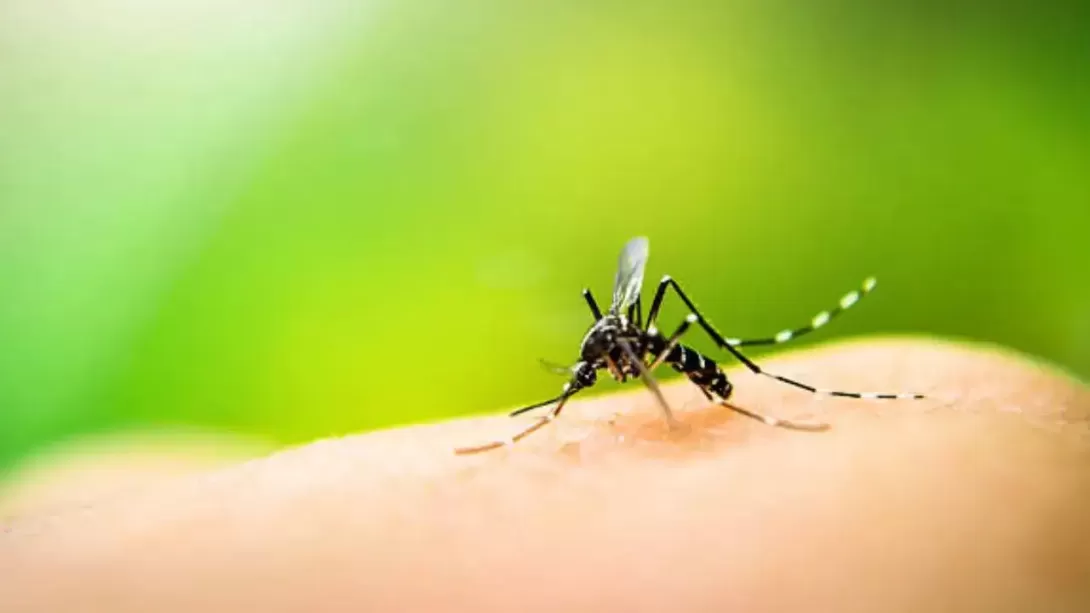
Several environmental and urban factors are fueling the current outbreak. Early summer rains combined with rampant construction activity across urban centers, particularly Bengaluru, have created ideal conditions for mosquito breeding. Pools of stagnant water around construction sites, open drains, and improperly discarded containers are contributing to a rapid proliferation of Aedes aegypti, the mosquito species responsible for spreading dengue.
Residents from multiple neighborhoods have reported increased mosquito activity and flu-like symptoms. The sudden spike from 707 cases on March 2 to 1,186 by the end of April — a nearly 68% increase in less than two months — indicates a worrying trend that requires aggressive containment measures.
Government Response and Community Measures
In response to the rising caseload, Karnataka’s health authorities have launched intensified mosquito control initiatives. These include:
- Fogging operations in high-risk neighborhoods
- Spraying of insecticides in residential areas and near construction sites
- Public advisories urging citizens to remove standing water from pots, containers, and open drains
The health department has also stepped up community outreach programs to spread awareness on dengue prevention, recognizing that public cooperation will be critical in halting the disease’s spread.
Recognizing and Responding to Dengue Symptoms
Medical experts are urging residents to be vigilant and seek immediate care upon detecting early signs of dengue. Common symptoms include:
- Sudden onset of high fever
- Intense headaches, often concentrated behind the eyes
- Severe joint and muscle pain
- Fatigue and general weakness
- Skin rashes
- Nausea and vomiting
- Abdominal discomfort
- In severe cases, gum or nose bleeding
If untreated or misdiagnosed, the condition can escalate to dengue hemorrhagic fever or dengue shock syndrome — both of which require urgent hospitalization.
Nutritional Strategies to Strengthen Immunity
While avoiding mosquito bites is the first line of defense, enhancing the immune system can significantly reduce disease severity, particularly for children and the elderly. Health professionals recommend incorporating immunity-boosting foods into the daily diet, such as:
- Citrus fruits (oranges, lemons, sweet lime): Rich in vitamin C, essential for white blood cell production.
- Papaya: Known for aiding platelet recovery and loaded with antioxidants.
- Turmeric: Contains curcumin, a natural anti-inflammatory and antioxidant.
- Ginger: Boosts immunity by combating inflammation and soothing the digestive system.
- Garlic: Offers antimicrobial benefits that help prevent infections.
- Leafy greens (spinach, moringa): Packed with vitamins and minerals that support immune function.
- Nuts and seeds (almonds, sunflower seeds): Contain vitamin E and essential fatty acids.
- Curd and yogurt: Probiotic-rich options that improve gut health, a key component of immunity.
A Warning and a Call to Action
With the monsoon around the corner and dengue cases already climbing, Karnataka faces a potential health crisis if swift action is not taken. Public health agencies must maintain momentum in their vector control operations, while individuals play their part in reducing breeding grounds and staying alert to symptoms.
More importantly, this surge should act as a wake-up call for urban planners and civic authorities. Long-term strategies — including sustainable drainage systems, strict monitoring of construction sites, and enhanced public health infrastructure — must be institutionalized to prevent annual outbreaks from becoming endemic threats.
Comments