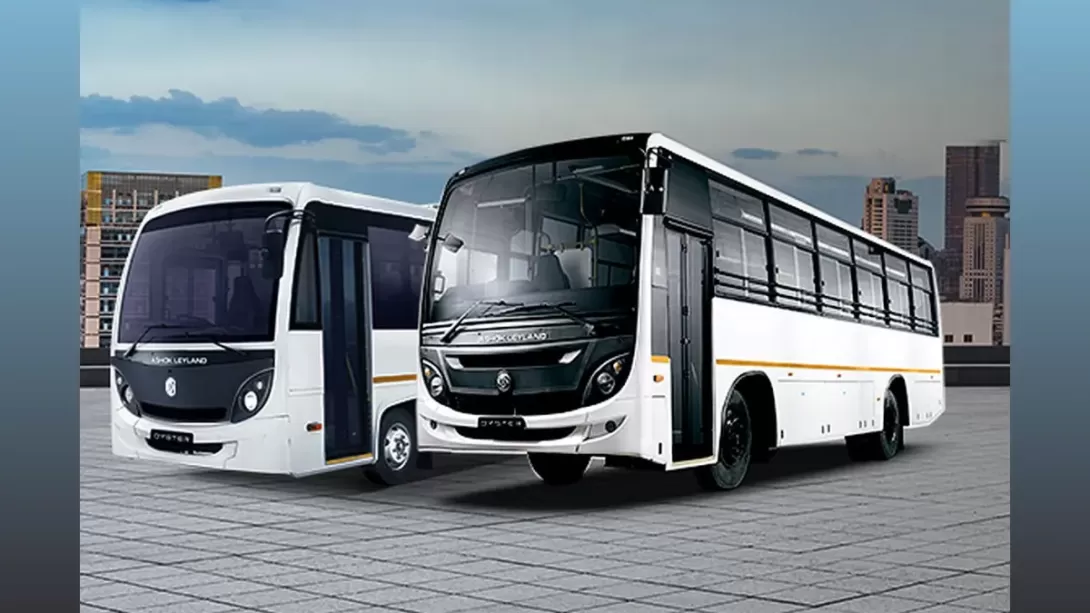
Karnataka is poised to benefit from the Union Government’s PM E-Drive Scheme, with the allocation of electric buses set to occur in a phased and prioritized manner. Union Minister for Heavy Industries H.D. Kumaraswamy confirmed the development following a formal request by the Karnataka government to bolster urban transport infrastructure. The Rs. 10,900 crore scheme, running from April 2024 to March 2026, aims to distribute over 14,000 electric buses across nine major cities. As part of the initiative, both central and state authorities are also coordinating efforts on complementary infrastructure such as charging stations and depot facilities.
Centre Approves Karnataka’s E-Bus Proposal
The Ministry of Heavy Industries has acknowledged Karnataka’s proposal to participate in the central government's flagship electric mobility program. Karnataka Transport Minister Ramalinga Reddy had formally submitted the state's request, citing the urgent need to enhance sustainable public transport in key urban centers.
Following internal deliberations with senior bureaucrats, Union Minister H.D. Kumaraswamy confirmed that Karnataka would receive allocations under the PM E-Drive Scheme. The buses will be delivered in a staged rollout, ensuring prioritization based on city readiness and logistical considerations.
PM E-Drive Scheme: Scope and Financial Outlay
Launched as part of India’s broader push toward clean energy and sustainable mobility, the PM E-Drive Scheme is one of the largest government-backed electric vehicle (EV) initiatives to date. With an outlay of Rs. 10,900 crore spread over two years—from April 1, 2024, to March 31, 2026—the program aims to distribute over 14,000 electric buses to major Indian cities.
The overarching objective is to reduce urban pollution, lower dependence on fossil fuels, and modernize mass transit systems. This ambitious scheme is also expected to spur job creation and attract private sector investment into the EV ecosystem.
Infrastructure and Implementation Roadmap
In addition to vehicle allocation, the government is placing equal emphasis on creating the necessary infrastructure to support the smooth deployment and operation of electric buses. Discussions between the Ministry of Heavy Industries and the Karnataka state government have extended to the development of charging networks, maintenance facilities, and bus depots.
Senior officials are reportedly working on viable implementation models that will enable timely and cost-effective rollout across identified city clusters. These conversations are critical for ensuring operational continuity, vehicle uptime, and public confidence in the reliability of EV-based public transport.
Government Commitment and Regional Focus
Minister Kumaraswamy emphasized the Centre’s commitment to Karnataka, highlighting that the state would receive "all due support" as part of the national strategy to revolutionize public mobility. “Under the visionary leadership of Prime Minister Narendra Modi, we are transforming public transportation across the country,” he stated, reinforcing the scheme’s strategic relevance.
Karnataka, with its burgeoning urban population and tech-forward ecosystem, is seen as a key beneficiary and potential model state for successful EV adoption under this program.
Looking Ahead: Economic and Environmental Implications
The successful deployment of electric buses in Karnataka could have far-reaching economic and environmental benefits. Apart from curbing vehicular emissions, the move aligns with India’s climate commitments under global sustainability frameworks. Additionally, the initiative could provide a blueprint for scalable, green urban transport systems nationwide.
Stakeholders across the public and private sectors will be watching closely as implementation progresses. The state’s performance could set a precedent for future allocations under subsequent phases of the PM E-Drive or related mobility programs.
Comments