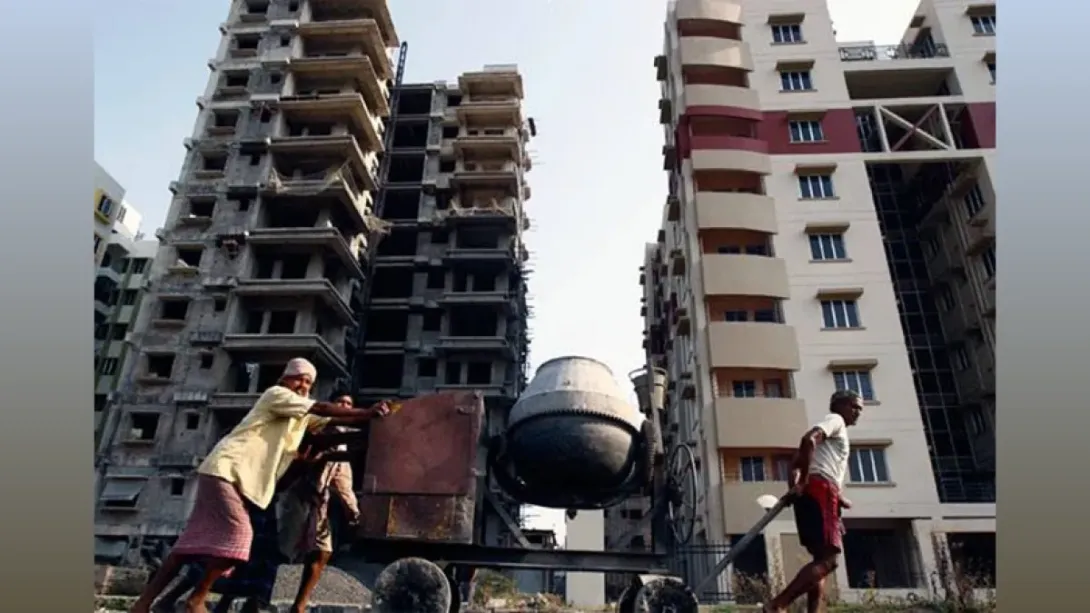
KVN Properties has announced a substantial investment of approximately Rs. 500 crore to develop a new upscale residential enclave in Bengaluru, highlighting continued confidence in the city’s thriving real estate market. Planned as a modern, amenity-rich development targeting mid to high-income homebuyers, the project aims to cater to the evolving lifestyle aspirations of urban professionals and families. Beyond reinforcing Bengaluru’s position as a magnet for real estate investment, the initiative is expected to stimulate local employment, drive demand across ancillary sectors, and contribute meaningfully to the city’s dynamic economic ecosystem.
Riding on Bengaluru’s Real Estate Momentum
Bengaluru remains one of India’s most resilient and attractive property markets, propelled by a robust IT industry, strong entrepreneurial culture and steady influx of skilled professionals. Against this backdrop, KVN Properties’ decision to channel Rs. 500 crore into a new residential project underscores the enduring allure of the city’s housing sector.
With demand holding firm despite broader economic headwinds, developers are actively expanding their portfolios in strategic micro-markets across Bengaluru. The new project by KVN aims to capitalise on this steady appetite for quality homes, particularly among upwardly mobile buyers seeking integrated communities with advanced infrastructure and green spaces.
Project Blueprint: Designed for Modern Urban Lifestyles
Though detailed specifications are yet to be unveiled, early indications suggest the project will feature a mix of premium apartments and lifestyle amenities such as clubhouses, fitness centres, landscaped gardens and children’s play zones. This aligns with emerging consumer preferences that prioritise holistic living environments over mere residential units.
KVN’s vision appears centred on creating not just a housing complex, but a self-sufficient urban enclave offering convenience, security and a sense of community. Such formats are increasingly resonating with Bengaluru’s millennial workforce and young families who value both functional spaces and social infrastructure.
Economic Multiplier: Employment and Local Growth
Large-scale housing projects of this scale inevitably provide a significant fillip to the local economy. The construction phase is poised to generate substantial employment for skilled and unskilled labour, contractors, suppliers and service providers. Post completion, the operational phase — encompassing facility management, retail and lifestyle services within the complex — will further sustain job creation.
Moreover, residential developments often catalyse growth in adjoining areas, spurring improvements in civic infrastructure, transport connectivity and support businesses ranging from retail stores to healthcare clinics.
Strategic Confidence in India’s Housing Narrative
KVN Properties’ Bengaluru initiative is also emblematic of a broader trend within India’s real estate sector: developers are moving decisively to launch or accelerate projects, banking on long-term urbanisation and a steady rise in disposable incomes. Even as interest rates and input costs remain volatile, the structural drivers underpinning housing demand — demographic shifts, rising aspirations, and favourable regulatory reforms — continue to bolster industry confidence.
By investing substantially in Bengaluru, KVN positions itself to tap into these enduring fundamentals, reinforcing both its brand stature and commitment to shaping the city’s residential landscape.
Conclusion: Building for Tomorrow’s Bengaluru
KVN Properties’ Rs. 500-crore commitment to a premium housing project not only affirms its faith in Bengaluru’s growth trajectory but also highlights how real estate developers are playing a pivotal role in crafting India’s future urban centres. As the project takes shape, it is set to deliver tangible economic benefits while offering discerning homebuyers modern, thoughtfully designed living spaces — ultimately reflecting the evolving aspirations of a city that continues to stand at the forefront of India’s urban transformation.
Comments