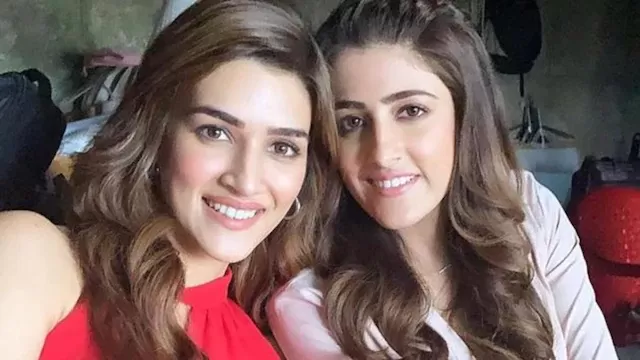
Label Nobo, a fashion brand launched in 2024 by Nupur Sanon—sister of Bollywood actress Kriti Sanon—is under fire on social media for its steep pricing and uninspired designs. While the brand positions itself as a purveyor of "premium high-quality fabrics" and is backed by celebrity endorsements, online critics, particularly Reddit users, have expressed disbelief at the pricing of relatively simple garments. With lehengas priced at Rs. 21,000 and basic shorts at Rs. 2,400, users have accused the label of overcharging without delivering corresponding value or originality. The controversy raises questions about pricing ethics in India's burgeoning celebrity-led fashion market.
A Celebrity-Endorsed Launch Meets Public Scrutiny
Label Nobo, short for “No Boundaries,” entered the Indian fashion scene in 2024 with bold ambitions. Founded by Nupur Sanon and endorsed by names like Kriti Sanon, Uorfi Javed, and Sanjana Sanghi, the brand sought to carve a niche in the premium segment by promising high-quality fabrics and contemporary styles. However, just months into its launch, the brand has found itself at the receiving end of fierce criticism.
The backlash, largely emerging from social media platforms such as Reddit, focuses on the perceived mismatch between price tags and product design. Customers and fashion observers have widely questioned whether the brand’s offerings justify their price points.
Pricing in Focus: What’s Causing the Outrage?
Label Nobo’s pricing strategy appears to have struck a dissonant chord with consumers. The site features:
- Lehengas priced up to Rs. 21,000
- Kurta sets reaching Rs. 26,500
- Western wear, including a skirt-and-top set for Rs. 20,000
- Basic items such as shorts priced at Rs. 2,400
While pricing in fashion is often dictated by materials, craftsmanship, and brand positioning, Nobo’s collections have been described as “basic,” lacking distinct design elements or intricate detailing that typically warrant premium rates.
Critics have compared the offerings to far more affordable—and arguably more stylish—options from local markets in cities like Jaipur and Delhi. One user remarked, “I found better jackets in Jodhpur for Rs. 1,500,” echoing the widespread sentiment that the brand’s price-value equation is off balance.
Social Media Storm: Trolls, Memes, and Unfiltered Opinions
The commentary on Reddit has been brutal. Some of the standout reactions include:
- “Label NoboDY IS BUYING THIS OVERPRICED FAST FASHION SH*T FROM ME.”
- “Who is buying these even for her sister’s name?”
- “This is a scam disguised as fashion.”
Many users mocked the pricing model, with one quipping, “Rs. 750 last price,” mimicking the bargaining culture of street markets. Others criticized the aesthetic itself, with comments like “These are the ugliest clothes I’ve ever seen, good lord.”
Such reactions point not just to sticker shock but to a broader frustration with the celebrity-led fashion wave where perceived branding trumps actual innovation.
The Challenge of Premium Branding in a Value-Driven Market
India’s fashion market is expanding rapidly, but it remains largely price-sensitive. Brands hoping to command premium rates must deliver not just exclusivity but clear value in terms of design, durability, or cultural relevance.
Label Nobo’s backlash underscores the gap between aspirational pricing and grounded consumer expectations. In a digital-first world where customer feedback is both immediate and influential, even celebrity endorsements cannot shield a brand from critique if it falters on substance.
Moreover, young fashion consumers are increasingly discerning, seeking sustainability, craftsmanship, and authenticity. In that context, launching a high-priced brand without a clear differentiator risks alienating the very audience it seeks to attract.
Conclusion: A Lesson in Perception and Positioning
Label Nobo’s predicament serves as a cautionary tale for emerging fashion brands, particularly those riding the wave of celebrity association. Pricing must be backed by quality, and storytelling must be supported by substance. As online platforms democratize opinion, fashion labels—especially new entrants—must be attuned to consumer feedback and responsive to market realities.
For Nupur Sanon and team, the challenge now lies in either justifying the premium through clearer design language and value communication or realigning the pricing strategy to match public expectations. In a fiercely competitive and vocal market, only those brands that strike the right balance will endure.
Comments