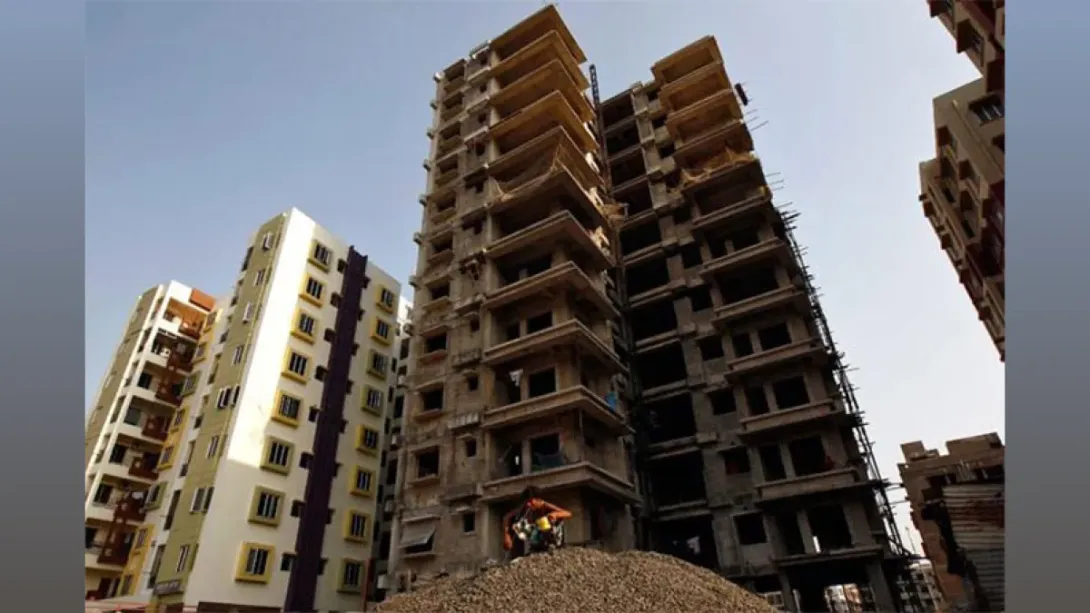
In today’s rapidly evolving urban landscape, leading real estate developers are no longer just builders—they are emerging as influential power brokers shaping city economies, infrastructure, and investment trends. Leveraging financial resources, political connections, and strategic land acquisitions, these developers influence zoning policies, commercial and residential market dynamics, and urban planning initiatives. Their decisions directly impact property valuations, rental markets, and regional economic growth. As cities expand and demand for integrated developments rises, the role of these major players extends beyond construction to economic strategy, positioning them as key stakeholders in shaping urban futures and long-term financial landscapes.
---
1. From Builders to Market Influencers
Traditionally focused on construction, major developers are now strategically shaping markets. Large-scale acquisitions, mixed-use developments, and master-planned communities allow them to dictate supply, pricing, and tenant demographics. By controlling critical real estate assets, these companies influence rental yields, sales values, and even retail and commercial activity within urban zones.
---
2. Strategic Land Ownership and Urban Planning
Ownership of prime land parcels enables developers to leverage negotiating power with local authorities and investors. Through collaborations or public-private partnerships, they influence zoning laws, infrastructure placement, and community development projects. Such control ensures both financial returns and the ability to shape urban growth trajectories in their favor.
---
3. Capital Strength and Investment Influence
Major developers often command access to large pools of capital, enabling them to fund ambitious projects that smaller competitors cannot. Their financial clout allows them to attract international investment, negotiate favorable lending terms, and execute high-profile developments that set benchmarks for market pricing and quality standards.
---
4. Impact on Residential and Commercial Markets
By developing high-demand residential and commercial properties, these companies directly affect market trends. Luxury apartments, business hubs, and integrated townships not only shape neighborhood demographics but also influence rental rates, property values, and investor sentiment. Their strategic decisions often ripple through local and regional economies, making them key market stabilizers—or disruptors.
---
5. The Political and Regulatory Edge
Major developers often engage with policymakers to influence regulatory frameworks, such as land acquisition rules, tax incentives, and infrastructure policies. Their participation in policy discussions enhances their ability to forecast market opportunities and mitigate risk, effectively consolidating economic and political leverage.
---
Conclusion:
Major real estate developers have evolved from traditional builders into formidable market power brokers. Their influence extends across urban planning, market pricing, investment trends, and regulatory frameworks, positioning them as critical players in shaping city landscapes and financial outcomes. For investors, policymakers, and competitors, understanding the strategic role of these developers is essential to navigating modern urban markets. As cities continue to expand and urbanization accelerates, their strategic decisions will increasingly determine not only the built environment but also the broader economic and social fabric of metropolitan regions.
Comments