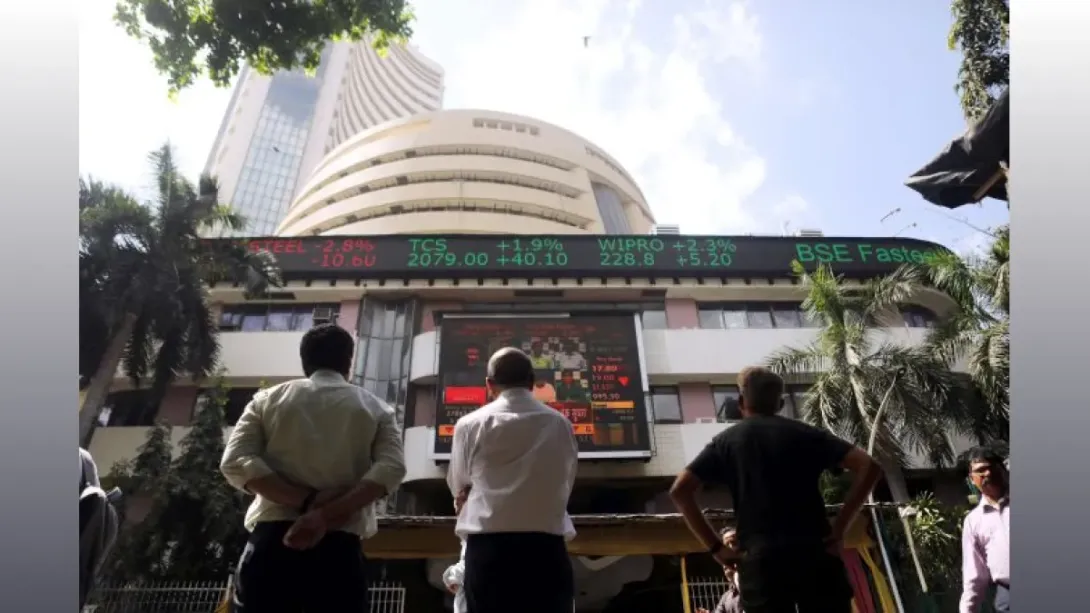
Indian equity benchmarks closed sharply lower after a broad-based sell-off rattled investor confidence. The Sensex plunged 621 points, while the NIFTY50 slipped below the crucial 26,000 mark, reflecting heightened risk aversion across sectors. Fears surrounding a proposed 500 percent tariff escalation in global trade discussions triggered concerns over export demand and supply-chain stability. Weakness in information technology and metal stocks amplified the downturn, as investors reassessed earnings visibility amid rising geopolitical and macroeconomic uncertainty. The session underscored the market’s sensitivity to external shocks, with sentiment turning decisively cautious despite relatively stable domestic fundamentals.
Benchmark Indices Under Pressure
The equity market opened on a cautious note and remained under pressure throughout the session. Persistent selling dragged frontline indices into negative territory, erasing recent gains. The Sensex ended with a steep decline of 621 points, while the NIFTY50 breached the psychologically significant 26,000 level, signaling a shift in near-term momentum.
Tariff Threat Fuels Global Anxiety
At the heart of the sell-off was renewed anxiety over an aggressive tariff proposal that has unsettled global markets. The possibility of sharply higher trade barriers reignited fears of retaliatory measures, disrupted supply chains, and slower global growth. Export-oriented sectors bore the brunt as investors priced in the risk of weaker overseas demand and margin pressure.
IT and Metal Stocks Lead Declines
Information technology stocks faced heavy selling, weighed down by concerns over delayed client spending and currency volatility. Metal stocks also came under strain amid worries that global trade friction could dampen industrial demand and commodity prices. The dual impact from these sectors significantly contributed to the broader market decline.
Investor Sentiment Turns Defensive
Market participants adopted a defensive stance, favoring cash and low-risk assets amid heightened uncertainty. Volatility indicators ticked higher, reflecting nervousness over near-term developments. Analysts noted that while domestic economic indicators remain broadly supportive, external headwinds continue to dictate short-term market direction.
Outlook: Volatility Likely to Persist
Experts expect markets to remain volatile in the coming sessions as investors track global policy signals and sector-specific earnings cues. Any clarity on trade negotiations could provide temporary relief, but sustained recovery may depend on easing geopolitical risks and renewed confidence in global growth prospects.
Comments