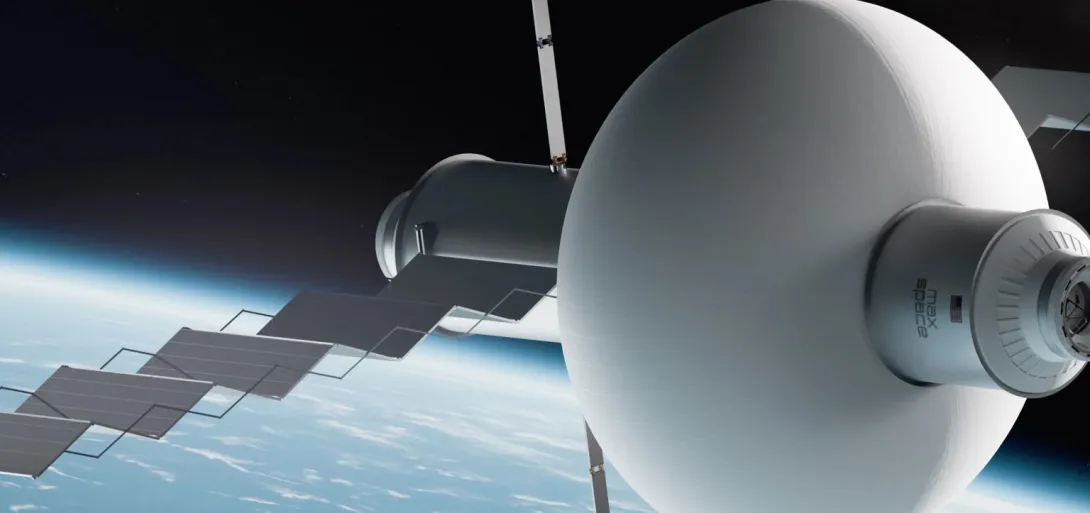
Max Space has announced plans to develop the Thunderbird Station, a commercially operated space facility aimed at expanding private-sector activity in low Earth orbit. The project reflects growing momentum behind space commercialization, as companies seek scalable platforms for research, manufacturing, and tourism beyond Earth. Thunderbird Station is envisioned as a modular, expandable habitat designed to serve government agencies and private clients alike. Industry analysts view the initiative as part of a broader shift from state-led space programs to market-driven infrastructure, potentially unlocking new revenue streams while reshaping how orbital services are designed, financed, and operated in the coming decade.
Vision Behind Thunderbird Station
Max Space’s Thunderbird Station is designed as a flexible, privately operated orbital platform. The company aims to offer customizable space for scientific research, in-orbit manufacturing, and technology testing, positioning the station as a multi-use commercial asset rather than a single-purpose facility.
Technology and Design Approach
The proposed station will rely on modular architecture, allowing capacity to scale based on customer demand. This approach is intended to lower upfront costs while improving adaptability, a critical factor as space-based applications evolve rapidly.
Commercial Opportunity in Low Earth Orbit
With governments encouraging private participation, low Earth orbit is emerging as a competitive marketplace. Demand is rising for microgravity research, advanced materials development, and data-driven experiments, creating a viable business case for commercial stations like Thunderbird.
Competitive and Regulatory Landscape
Max Space enters a field that is attracting increasing private investment. Success will depend on regulatory clearances, launch partnerships, and the ability to demonstrate operational reliability in orbit, areas where collaboration with established space agencies may prove critical.
Outlook for the Space Economy
If executed as planned, Thunderbird Station could strengthen the commercial space ecosystem. Analysts suggest such projects signal a transition toward sustainable, privately funded orbital infrastructure, with long-term implications for innovation, investment, and global space governance.
Comments