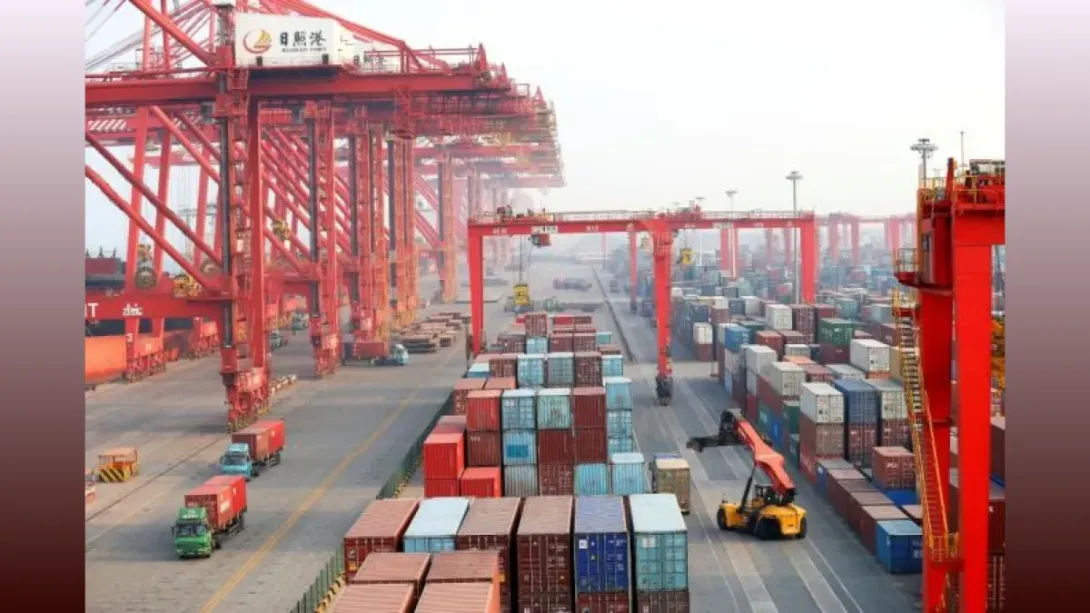
Mexico’s latest tariff revisions on a range of imported goods have created fresh uncertainty for Indian auto and metal exporters who rely on the Latin American nation as a strategic gateway to the Americas. The higher duties threaten to erode price competitiveness for Indian manufacturers of vehicles, auto components, steel, and aluminum products, prompting concerns over reduced order volumes and potential shipment delays. As global demand remains uneven, the new policy shift intensifies pressure on sectors already navigating slowing export cycles. Industry bodies are urging the government to intervene diplomatically, warning that prolonged disruptions may ultimately reconfigure established trade relationships.
Mexico’s Tariff Shift Creates Trade Disruptions
Mexico’s decision to increase import tariffs across several key product categories has alarmed Indian exporters who view the country as a crucial export destination outside traditional Western markets. The revised duty structure directly impacts cost-sensitive industries and raises landed prices for Indian shipments, making them less attractive compared to alternatives from economies with preferential trade agreements.
Exporters note that the announcement comes at a challenging time, when global purchasing patterns are still normalizing after prolonged supply chain turbulence. For many mid-sized manufacturers, Mexico had emerged as a growth engine—one that now faces new barriers.
Automotive Sector Confronts Competitiveness Challenges
India’s automotive exporters—particularly those dealing in compact vehicles, two-wheelers, and precision components—stand among the most affected. These segments thrive on competitive pricing, and even slight tariff adjustments can shift demand toward suppliers from the U.S., Brazil, or Southeast Asia.
Companies warn that increased duties could compress already-thin margins, forcing manufacturers to either absorb costs or risk losing orders. Smaller firms, which rely heavily on Mexico to diversify export exposure, may find sustaining volume growth particularly difficult. Long-term implications could include a partial reorientation of export strategies if market access remains constrained.
Metal Producers Anticipate Reduced Orders
Indian steel and aluminum exporters also face substantial headwinds. Mexico’s manufacturing ecosystem—spanning automotive, construction, and engineering industries—imports significant quantities of processed metals. Higher tariffs may prompt Mexican buyers to favor lower-cost jurisdictions, intensifying competition for Indian firms.
Metals exporters caution that once procurement patterns shift, regaining lost market share can be challenging. With global metal prices already volatile, the new tariff environment adds yet another dimension of uncertainty.
Industry Calls for Diplomatic and Policy Support
Trade associations are urging New Delhi to engage with Mexican authorities to mitigate the impact of the tariff hike or explore the possibility of negotiated relief. While the measures are not directly targeted at India, a lack of intervention could allow competing nations with trade pacts to consolidate their presence in the Mexican market.
Analysts argue that this episode highlights a broader vulnerability: India’s export competitiveness is heavily influenced by external regulatory changes in markets where it lacks formal trade agreements. Strengthening economic diplomacy, they suggest, will be essential to cushioning exporters from unexpected policy shocks.
A Turning Point for India’s Export Strategy
As global supply chains become more sensitive to geopolitical and economic shifts, India’s exporters face increasing pressure to adapt quickly. Mexico’s tariff overhaul may serve as a reminder that market diversification alone is not sufficient; securing predictable trade frameworks is equally critical.
For now, Indian auto and metal exporters are recalibrating shipment plans, negotiating with buyers, and assessing cost structures. The coming months will determine whether these industries can maintain their foothold in one of Latin America’s most dynamic markets—or whether tariffs will reroute the flow of trade.
Comments