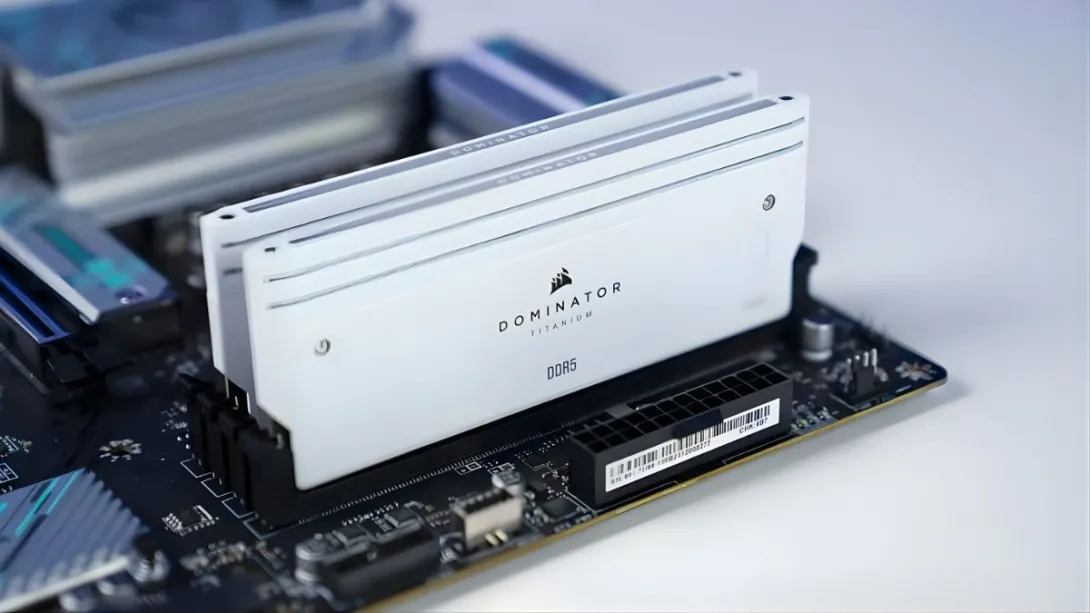
Micron Technology has signaled emerging tightness in the global memory market, highlighting a growing mismatch between accelerating demand and constrained supply. The development reflects a broader industry shift as artificial intelligence, data centers and high-performance computing drive renewed appetite for advanced memory products. After a prolonged downturn marked by inventory corrections and pricing pressure, the sector appears to be entering a new upcycle. Micron’s commentary suggests that disciplined capital spending and cautious capacity expansion could amplify supply constraints, with potential implications for pricing, margins and downstream industries reliant on semiconductors.
Rising Demand Reshapes the Memory Market
Micron’s assessment points to a sharp rebound in demand for DRAM and NAND memory, fueled primarily by AI workloads, cloud infrastructure expansion and next-generation consumer devices. These applications require higher memory density and performance, intensifying pressure on existing supply chains.
Industry analysts note that the pace of demand recovery has exceeded earlier projections, catching parts of the supply ecosystem unprepared after years of conservative investment.
Supply Discipline and Capacity Constraints
Unlike previous cycles, memory manufacturers have maintained strict capital expenditure discipline. Micron and its peers scaled back production and delayed capacity additions during the downturn, prioritizing balance-sheet strength over volume growth.
While this approach helped stabilize pricing, it has also limited the industry’s ability to respond quickly to renewed demand. As a result, lead times are lengthening, and customers are increasingly securing long-term supply commitments.
Pricing Power and Margin Implications
A tightening supply environment typically strengthens pricing power for memory producers. Micron’s outlook suggests that improved pricing dynamics could support margin recovery after several challenging quarters.
For customers, however, higher memory prices may translate into increased component costs, potentially affecting pricing strategies across electronics, automotive and enterprise hardware segments.
Strategic Significance for Micron
For Micron, the emerging shortage underscores the importance of its technology roadmap and manufacturing efficiency. Advanced nodes and high-value products are expected to play a central role in capturing upside from the next growth phase.
The company’s ability to balance supply discipline with timely capacity expansion will be closely watched by investors and customers alike.
Broader Industry Outlook
The prospect of a memory shortage highlights a structural shift in semiconductor demand, increasingly driven by data-intensive technologies rather than cyclical consumer electronics alone. While short-term tightness may pose challenges for buyers, it also signals a healthier industry backdrop.
As the cycle turns, Micron’s commentary reinforces the view that memory markets are entering a more rational, demand-driven phase—one that could redefine pricing behavior and long-term investment patterns across the sector.
Comments