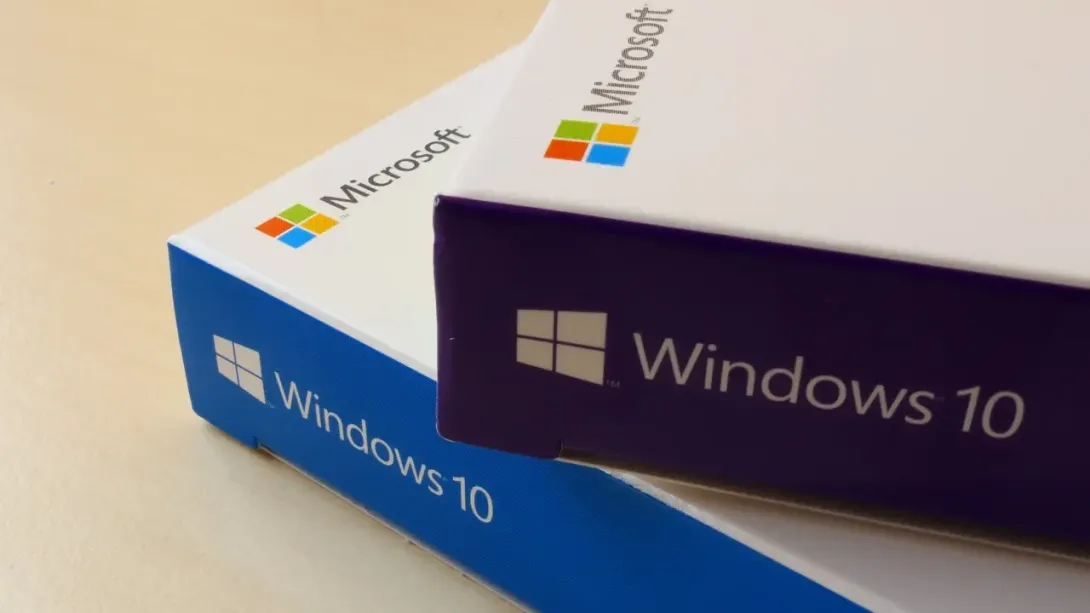
On October 14, 2025, Microsoft officially concluded support for Windows 10, marking the end of an era for the operating system that has powered millions of devices worldwide since its release in 2015. This pivotal moment signifies a major shift in the tech landscape, compelling users and businesses alike to adapt to a rapidly evolving digital environment.
The End of an Era
Windows 10 has been a cornerstone of personal and professional computing for nearly a decade. Its user-friendly interface, robust performance, and widespread compatibility made it a preferred choice for users globally. However, as technology advances, so too must the tools we use. With the cessation of support, Windows 10 will no longer receive security updates, feature enhancements, or technical assistance from Microsoft. This transition underscores the company's commitment to innovation and the necessity for users to embrace newer, more secure platforms.
Implications for Users
For individual users, the immediate impact of this change is the cessation of regular security patches. While devices running Windows 10 will continue to function, they will become increasingly vulnerable to cyber threats, including viruses and malware. Microsoft recommends upgrading to Windows 11 to ensure continued security and access to the latest features. For those unable to upgrade immediately, the Extended Security Updates (ESU) program offers an additional year of security updates, available at a cost for most users. Alternatively, users may consider transitioning to other operating systems such as Linux or ChromeOS, depending on their hardware compatibility and personal preferences.
Business and Enterprise Considerations
For businesses, the end of Windows 10 support presents both challenges and opportunities. Organizations relying on Windows 10 for their operations must now evaluate their IT infrastructure and plan for a transition to supported platforms. This may involve upgrading existing hardware, training staff on new systems, and ensuring compatibility with essential applications. The shift also opens avenues for adopting cloud-based solutions and integrating advanced technologies that can enhance productivity and security.
The Road Ahead
As Microsoft ushers in this new chapter, the focus shifts to Windows 11 and beyond. Windows 11 introduces a host of enhancements, including improved security features, a more streamlined user interface, and better integration with modern hardware. Adopting this platform will enable users and businesses to stay ahead in an increasingly digital world. While the transition may require an investment of time and resources, it is a necessary step toward ensuring a secure and efficient computing experience in the years to come.
The discontinuation of Windows 10 support is more than a technical update; it is a reflection of the ever-changing nature of technology and the imperative for users to evolve alongside it. Embracing these changes will not only safeguard against emerging threats but also unlock new possibilities for innovation and growth in the digital age.
Comments