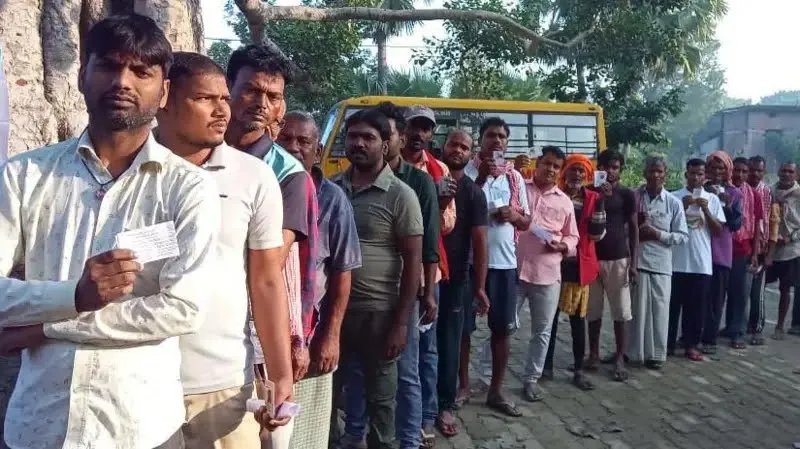
Prime Minister Narendra Modi’s Bharatiya Janata Party (BJP) faces a defining political test as voters head to the polls in a key Indian state election that could shape the nation’s political narrative ahead of the 2029 general elections. The outcome is expected to serve as a barometer of public sentiment toward Modi’s leadership, economic reforms, and welfare policies. Opposition parties have mounted a united challenge, focusing on unemployment, inflation, and rural distress. The contest is not merely a regional battle—it is a referendum on governance, leadership credibility, and the BJP’s enduring influence across India’s dynamic political landscape.
---
A Pivotal Election for India’s Political Future
The upcoming state election holds immense strategic importance for the Bharatiya Janata Party, often viewed as a testing ground for its electoral machinery and public perception of governance. As the ruling party seeks to consolidate power in a politically influential region, the results will likely reflect whether Modi’s vision of economic growth, nationalism, and social welfare continues to resonate with the electorate.
For the BJP, retaining control would reaffirm its organizational strength and ideological appeal. However, a setback could invigorate opposition forces, signaling a potential shift in voter priorities as India grapples with economic challenges and demands for social equity.
---
Economic and Social Undercurrents
The state election is unfolding against a complex backdrop of inflationary pressures, rural discontent, and employment concerns. While the BJP emphasizes infrastructure growth, digital innovation, and welfare expansion, critics argue that these initiatives have not sufficiently addressed everyday economic hardships.
With agriculture still employing a large share of the population, issues such as minimum support prices, subsidies, and rural credit accessibility are dominating campaign narratives. The ruling party’s focus on industrial investments and urban development, though lauded for modernization, faces scrutiny for widening the rural-urban divide.
---
Opposition’s Unified Front
In contrast, opposition parties have sought to capitalize on growing voter fatigue, forming strategic alliances aimed at countering the BJP’s dominance. They have centered their campaign around cost-of-living issues, youth unemployment, and alleged democratic backsliding. By rallying under a common cause, these alliances are attempting to present a cohesive alternative to Modi’s governance model.
Political analysts suggest that this unity, though fragile, could reshape the balance of power in the region if it translates into effective voter mobilization. The opposition’s ability to connect with grassroots concerns will determine whether this election becomes a symbolic breakthrough or another missed opportunity.
---
Implications Beyond the Ballot Box
The outcome of this state election is expected to reverberate across India’s political spectrum. A decisive BJP win would reinforce Modi’s momentum heading into national elections, projecting continuity and stability. Conversely, a loss could prompt introspection within the party and energize opposition movements seeking a revival of multiparty competitiveness.
As India stands at a crossroads of economic transition and social transformation, this election is not merely about choosing regional leadership—it is about defining the political mood of the world’s largest democracy. The result will reveal whether Modi’s enduring appeal continues to outweigh voter discontent or if a new chapter in Indian politics is about to begin.
Comments