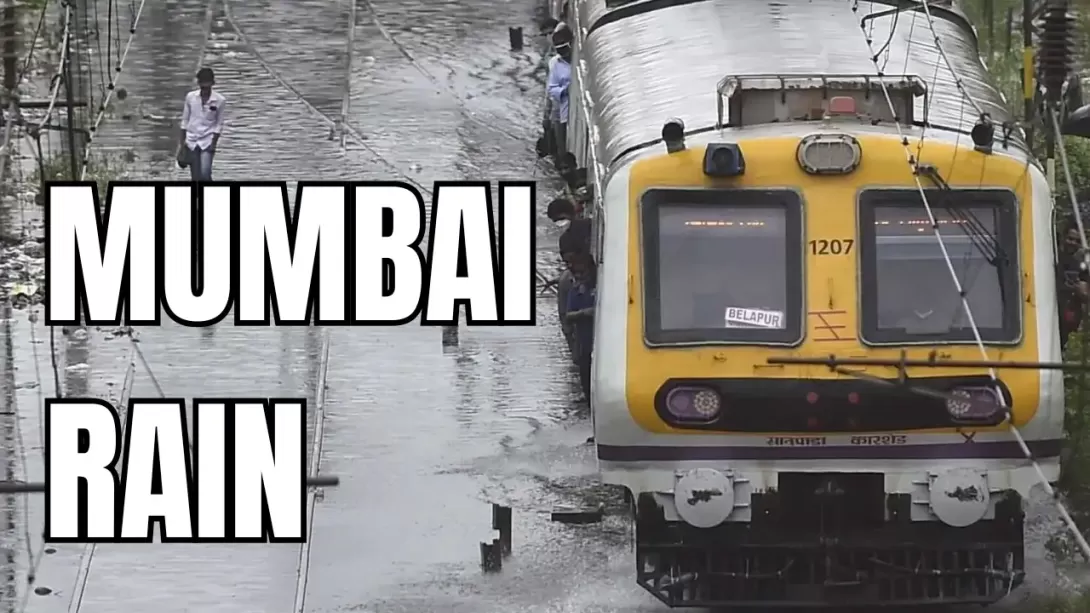
Mumbai, India’s financial nerve center, is once again grappling with the seasonal chaos of the southwest monsoon. Persistent rain, compounded by inadequate drainage systems, has left significant portions of the city waterlogged. Key arterial roads, suburban neighborhoods, and vital commuter routes have been affected, with traffic crawling to a halt and suburban trains experiencing delays and partial service disruptions. Despite the deployment of over 500 dewatering pumps and emergency personnel, the city remains under a "very heavy rain" warning. As Mumbai braces for more downpours, civic authorities scramble to manage the mounting urban flood crisis.
Monsoon Woes Return: Flood-Prone Areas Crippled
Mumbai’s infamous flood-prone pockets have once again been inundated, exposing long-standing civic vulnerabilities. Intersections such as King’s Circle and Hindmata—repeatedly cited for water stagnation—remained submerged due to non-responsive dewatering systems.
Other areas like Masjid Bunder, Crawford Market, Flora Fountain, Fort, Churchgate, and Marine Drive witnessed knee-deep water following early monsoon bursts. Structural damage at Kemp’s Corner, where a portion of the road collapsed, served as a stark reminder of how fragile city infrastructure becomes under sustained rainfall.
In response to public outcry over poor preparedness, the Brihanmumbai Municipal Corporation (BMC) reversed its earlier decision to cut back on flood-control equipment. The city has now deployed 514 dewatering pumps, up from 482 in 2023, across 386 identified flood-prone sites. Still, critics argue that this reactive approach is insufficient given the scale of disruption.
Traffic Grinds to a Halt: Commuters Bear the Brunt
The ongoing downpour has paralyzed traffic across Mumbai’s densely populated zones. Sion, Bandra, Malabar Hill, Worli, Matunga, and Dadar reported severe congestion, with BEST buses rerouted or halted due to inundated roads. Hidden potholes and stranded vehicles further aggravated rush-hour bottlenecks.
Stretches in Grant Road, Mumbai Central, and other key hubs saw traffic moving at a crawl, despite the deployment of over 6,000 civic personnel tasked with clearing debris and unclogging drains. The confluence of high tide events and blocked sewage systems continues to delay restoration efforts.
Railways on Alert: Local Trains Still Running, But Not Unscathed
Mumbai’s lifeline—its suburban rail network—has managed to stay operational but is far from immune to the monsoon’s impact. On the Central and Harbour lines, multiple services were short-terminated at Kurla, Dadar, and Parel, while others experienced delays due to flooding between Byculla and Chhatrapati Shivaji Maharaj Terminus (CSMT). Notably, around 30 Harbour line trains were cancelled in just one hour (10:30–11:30 a.m.) on a recent weekday.
While the Western Railway remains mostly unaffected, it has not been entirely spared, with average delays of 10 to 20 minutes. The Indian Railways has yet to issue formal service cancellations, but if rainfall continues unabated and water levels rise further, operational disruptions may escalate.
Civic Response: A Balancing Act Between Infrastructure and Nature
The BMC’s updated monsoon strategy is under scrutiny, with critics pointing to a chronic lack of investment in urban drainage infrastructure. The sheer volume of rain, when paired with high tide schedules and outdated sewage lines, overwhelms the city's stormwater systems.
Efforts to integrate technology and data-driven flood forecasting have only partially materialized, leaving the city’s 20-million-strong population to rely on traditional warning systems and reactive responses.
Outlook: Rain Expected to Continue, Urban Stress to Deepen
The India Meteorological Department (IMD) has issued a "very heavy rain" alert for Mumbai, with localized thunderstorms and coastal flooding predicted through the week. Low-lying neighborhoods remain vulnerable, and civic officials have urged residents to avoid non-essential travel during peak hours.
Unless strategic and structural improvements are prioritized, Mumbai’s recurring tryst with monsoon misery is unlikely to end. The city's monsoon narrative—punctuated by flooded roads, stranded trains, and frustrated commuters—continues to reflect broader questions about urban planning, resilience, and climate adaptability.
Comments