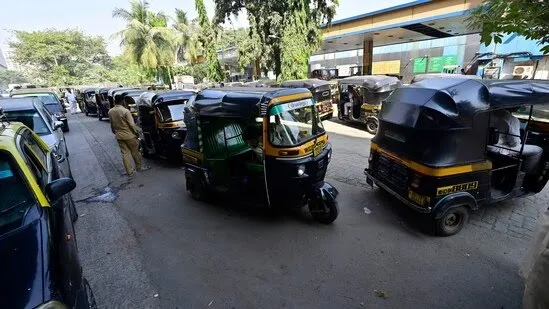
Mumbai’s CNG supply has been fully restored after a two-day disruption that caused widespread inconvenience across the city. The interruption, triggered by a technical issue at a key gas terminal, led to long queues at fuel stations, operational hurdles for public transport, and temporary price concerns across dependent sectors. With supply now stabilizing, stakeholders—from transport operators to daily commuters—are assessing the financial and logistical impact of the halt. This article unpacks what happened, why it occurred, and what consumers and businesses can expect as normal operations resume in Asia’s busiest urban gas distribution network.
What Caused the Disruption?
Mumbai’s two-day CNG outage stemmed from a sudden technical malfunction at a major gas receiving terminal responsible for feeding a substantial share of the city’s compressed natural gas supply. The unexpected shutdown forced distributors to curtail operations, leading to temporary fuel shortages across numerous stations.
Authorities acted quickly to initiate repairs, but given the volume of daily consumption and the city’s reliance on natural gas for transportation, even a short interruption created a ripple effect across the metropolitan area.
Impact on Public Transport and Private Operators
The shortage heavily affected auto-rickshaws, taxis, school buses, and other commercial vehicles reliant on CNG. Many drivers reported waiting in queues for hours, while others were forced to suspend operations altogether.
Public transport fleets faced scheduling delays and reduced frequency on certain routes, prompting operational adjustments and contingency planning. Businesses dependent on timely logistics also experienced delays, leading to minor short-term revenue losses, particularly for last-mile delivery firms.
Economic and Sectoral Repercussions
While fuel prices remained stable, the disruption highlighted Mumbai’s vulnerability to supply-chain interruptions in essential commodities. The two-day halt resulted in:
- Lost income for daily-wage drivers
- Delivery delays for logistics companies
- Increased operational strain on public transport agencies
Although the broader economic impact remains limited, the incident reinforces the importance of technical redundancy in critical urban infrastructure.
Supply Restoration and Return to Normalcy
Gas distributors confirmed that the terminal issue has been resolved and supply has returned to normal levels. Fuel stations across the city reopened with standard operating hours, and vehicle queues gradually reduced as distribution stabilized.
Officials assured consumers that additional monitoring mechanisms are in place to prevent similar disruptions, emphasizing that the system’s long-term reliability remains strong.
What Consumers Should Know Going Forward
As operations normalize, residents and transport operators can expect:
- Full resumption of CNG availability across all stations
- Standard fueling times without congestion
- No immediate changes in CNG pricing
- Improved monitoring of gas flow to ensure consistent supply
Experts suggest that while such incidents are uncommon, the city may benefit from diversified supply routes and enhanced preventive maintenance protocols.
Comments