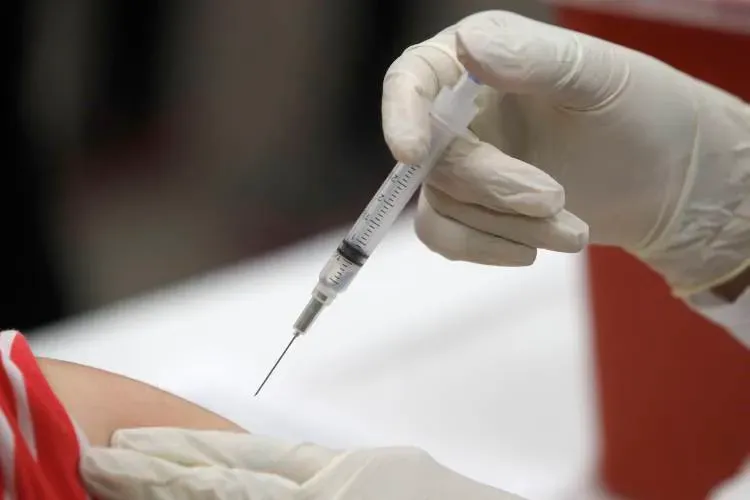
National health authorities have issued alerts as influenza cases rise sharply across multiple regions, signaling an early and intense flu season. Hospitals are reporting increased admissions for severe respiratory infections, particularly among young children, older adults, and individuals with pre-existing health conditions. Public health experts are emphasizing vaccination campaigns, timely antiviral treatment, and preventive hygiene measures to curb transmission. The simultaneous circulation of other respiratory pathogens is straining healthcare systems, highlighting the importance of early diagnosis, community awareness, and coordinated healthcare strategies. Authorities urge citizens to remain vigilant and adhere to recommended preventive protocols to mitigate severe flu outcomes.
Rising Influenza Activity
Recent surveillance reports from the National Health (NH) authorities indicate a significant uptick in influenza infections across urban and rural regions. Emergency departments are witnessing higher admissions for pneumonia, bronchitis, and other influenza-related complications. Pediatric wards and geriatric care units are particularly impacted, reflecting the vulnerability of these populations to severe disease.
The early surge underscores the importance of preparedness in healthcare facilities, including resource allocation for hospital beds, oxygen therapy, and antiviral stockpiles.
High-Risk Populations
Children under five, adults over 65, and individuals with chronic illnesses such as cardiovascular or pulmonary conditions remain at highest risk. Health officials also note that pregnant women and immunocompromised individuals are more susceptible to severe influenza complications.
Preventive measures—including vaccination, respiratory etiquette, hand hygiene, and avoiding crowded areas during peak flu activity—are strongly advised to mitigate exposure and reduce infection severity.
Vaccination and Antiviral Measures
NH authorities stress that annual influenza vaccination remains the most effective tool for preventing severe illness and hospitalization. High-risk groups are particularly encouraged to receive the vaccine promptly.
Additionally, antiviral medications, when administered early, can reduce the duration and intensity of influenza infections. Healthcare providers are advised to prioritize early detection and treatment for at-risk patients.
Public Health Recommendations
Authorities recommend the following measures for individuals and communities:
- Receive annual influenza vaccination, especially if at higher risk.
- Maintain hygiene practices, including frequent handwashing and mask use when symptomatic.
- Seek immediate medical care for high-risk individuals exhibiting flu symptoms.
- Monitor local health advisories for updates on outbreaks and preventive guidance.
Public health officials also urge schools, workplaces, and care facilities to implement preventive measures, including vaccination drives and respiratory hygiene campaigns.
Outlook and Preparedness
The early rise in influenza cases serves as a reminder of the persistent threat posed by seasonal respiratory viruses. Coordinated efforts—spanning vaccination, clinical readiness, public awareness, and surveillance—are essential to manage hospital workloads, protect vulnerable populations, and reduce overall morbidity and mortality associated with influenza.
Comments