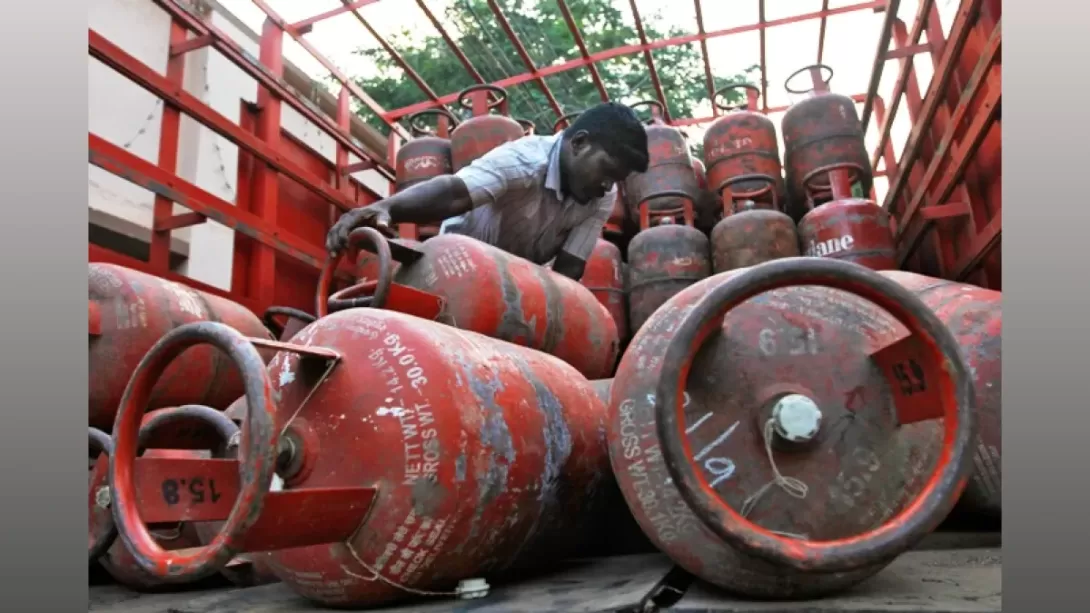
India’s liquefied petroleum gas (LPG) distribution network may soon face a major disruption as the All India LPG Distributors Federation has threatened a nationwide strike unless the central government addresses long-standing grievances within the next three months. Chief among their demands are an increase in distributor commissions—proposed at a minimum of Rs. 150 per cylinder—alongside calls to halt the forced allocation of non-domestic LPG units and operational irregularities in schemes like Ujjwala. With overburdened costs, opaque distribution mandates, and growing unrest among distributors, the country’s vital energy supply chain could be headed for significant turbulence.
Mounting Discontent Among LPG Distributors
The recent convention of the LPG Distributors Association in Bhopal brought long-simmering tensions to the surface. Attended by stakeholders from across the nation, the gathering concluded with a decisive resolution: unless the government responds to their demands within a three-month window, LPG distributors will embark on an indefinite nationwide strike.
According to BS Sharma, president of the association, the current commission structure is unsustainable, failing to account for the rising operational costs faced by over 25,000 distributors nationwide. The association argues that a minimum commission of Rs. 150 per cylinder is essential for maintaining operational viability.
Operational Burdens and Regulatory Discontent
Distributors allege that oil marketing companies (OMCs) are coercively dispatching non-domestic LPG cylinders, regardless of local demand. This, they claim, violates basic principles of supply chain governance and contravenes existing legal frameworks.
More critically, they highlight procedural inefficiencies and compliance hurdles in the distribution of subsidized LPG cylinders under flagship government initiatives like the Ujjwala Scheme. These issues, if left unresolved, could severely undermine the program’s outreach and effectiveness, particularly in rural and underserved areas.
The Call for Policy Reform
The association’s letter to the Ministry of Petroleum and Natural Gas underscores a growing sense of urgency among distributors. It points to a widening chasm between government-mandated delivery models and the ground realities of executing last-mile connectivity in India’s vast geography.
“Without adequate margins,” Sharma noted in the communiqué, “it is becoming increasingly difficult for distributors to sustain operations, especially when the cost of labor, transport, maintenance, and compliance continues to rise.”
The letter calls for an immediate dialogue with ministry officials and a comprehensive review of the commission structure, logistics protocols, and allocation practices to ensure fairness and long-term sustainability in the LPG ecosystem.
Economic and Consumer Implications
Should the strike go ahead, the ripple effects will be significant—not just for distributors but for millions of households and small businesses across India that rely on LPG for cooking and heating. A disruption in supply could lead to shortages, price volatility, and undue stress on alternative energy sources, particularly in semi-urban and rural areas.
Moreover, any interruption in the Ujjwala Scheme’s operations—a central pillar in India’s clean energy transition—could stall efforts to reduce dependence on biomass fuels and improve rural health outcomes.
Looking Ahead: Dialogue or Disruption?
With the clock ticking, the ball is now firmly in the government’s court. While the Ministry of Petroleum and Natural Gas has yet to issue an official response, experts suggest that proactive negotiation and policy realignment could avert a potentially paralyzing national strike.
India’s LPG distribution sector, long hailed for its reach and efficiency, now stands at a crossroads. Whether this standoff results in constructive reform or nationwide disruption will depend on the willingness of policymakers to engage with the legitimate concerns of frontline distributors—those who serve as the lifeline of India’s domestic energy landscape.
Conclusion
The demands put forth by India’s LPG distributors are not just about financial remuneration—they are a broader reflection of systemic inefficiencies and logistical strains in one of the country’s most vital public utilities. As the deadline looms, the onus is on policymakers to recognize the gravity of the situation and implement reforms that ensure both equitable compensation and uninterrupted service delivery.
Comments