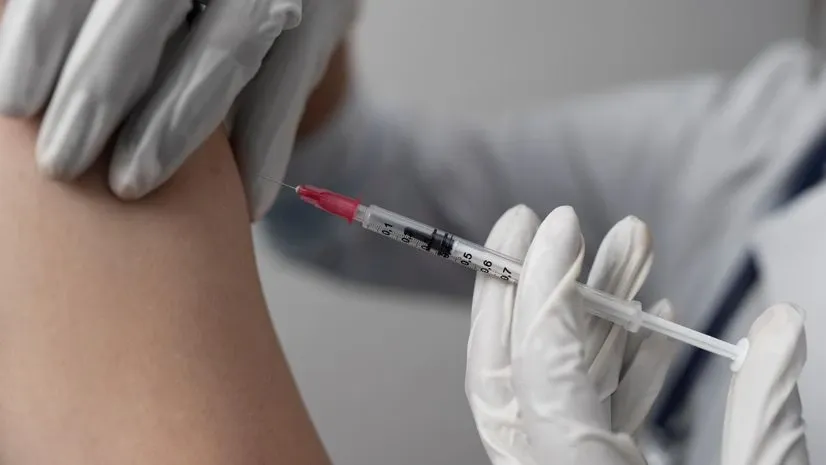
Health experts are renewing calls for broad HPV vaccination as new research reinforces its effectiveness in reducing cervical cancer cases. The latest findings highlight how timely immunization—especially among adolescents—significantly lowers infection rates, preventing the development of cancerous lesions later in life. Governments and medical bodies worldwide are scaling up vaccination campaigns, aiming to close gaps in access and awareness. As cervical cancer continues to pose a serious threat to women, particularly in developing regions, the HPV vaccine is emerging as a critical public-health tool. The strengthened global focus on preventive care marks a decisive shift toward eliminating cervical cancer altogether.
Growing Global Momentum for HPV Vaccination
The global medical community is placing renewed emphasis on widespread HPV vaccination following strong evidence of its ability to reduce cervical cancer incidence. Human papillomavirus, one of the most common sexually transmitted infections, is responsible for a large majority of cervical cancer cases. With vaccination proving highly effective in blocking high-risk virus strains, health officials are calling for accelerated rollout and improved public awareness.
Several countries have already reported measurable declines in cervical precancer rates among vaccinated populations, demonstrating the vaccine’s long-term protective value.
Strong Clinical Evidence Reinforces Effectiveness
Recent studies show that the HPV vaccine not only reduces viral transmission but also protects against the development of precancerous cervical lesions. Researchers note that vaccinated individuals have substantially lower rates of high-risk HPV strains, including those most associated with tumor formation.
The findings underscore the importance of early vaccination—typically recommended for adolescents before the onset of sexual activity—though adults can also benefit. Medical specialists emphasize that immunization provides the strongest defense when taken ahead of exposure, offering multilayered protection that lasts for years.
Addressing the Cervical Cancer Burden
Cervical cancer remains one of the leading causes of cancer-related deaths among women, particularly in low- and middle-income countries. Limited access to regular screening, delayed diagnosis, and lack of awareness contribute to the disease’s high mortality rate.
Wider adoption of HPV vaccines could significantly reduce the burden on healthcare systems by preventing cases before they arise. Combined with routine screening such as Pap tests and HPV DNA testing, vaccination is part of a comprehensive strategy to detect, prevent, and eventually eliminate cervical cancer.
Expanding Vaccination Programs and Policy Initiatives
Governments and health agencies are rolling out more aggressive policies to expand vaccine access. Many are integrating HPV immunization into national immunization schedules, offering the vaccine at no cost in schools and community health centers. Some administrations are also considering catch-up campaigns for older age groups who missed earlier vaccination windows.
Experts argue that achieving high coverage rates—typically above 80 percent—is essential to creating herd immunity and significantly reducing virus circulation.
Overcoming Barriers: Awareness and Accessibility
Despite its proven benefits, misconceptions and limited knowledge continue to hinder HPV vaccine uptake. Public-health professionals stress the importance of community outreach, transparent communication, and culturally sensitive education to correct myths and encourage informed decision-making.
In addition, ensuring affordability and building robust distribution networks are crucial steps for expanding vaccination programs to rural and underserved communities.
A Clear Path Toward Prevention
The growing momentum behind HPV vaccination offers renewed hope in the fight against cervical cancer. As more data confirms its long-term impact and safety, the vaccine is emerging as one of the most effective preventive measures in modern medicine.
With coordinated efforts between governments, medical institutions, and communities, cervical cancer could become a largely preventable disease—marking a major achievement for women’s health worldwide.
Comments