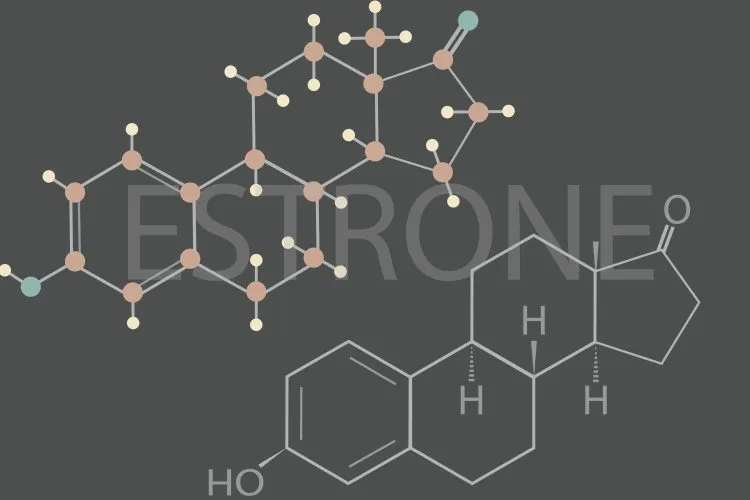
New scientific findings are shedding light on the role of estrone, a naturally occurring estrogen hormone, in the development and progression of breast cancer. While estrogen has long been associated with hormone-sensitive tumors, recent studies emphasize that estrone—particularly in postmenopausal women—may play a more significant role than previously understood. Elevated estrone levels are now being correlated with increased tumor growth, higher recurrence rates, and greater risk among genetically predisposed individuals. These insights are prompting renewed focus on hormonal monitoring, targeted therapies, and preventive interventions as researchers push to better understand how estrone-driven mechanisms influence breast cancer outcomes.
Estrone’s Emerging Role in Cancer Biology
Estrone, one of the three primary forms of estrogen, has often been overshadowed by estradiol in clinical research. However, new evidence suggests that estrone may exert a substantial influence on breast tissue, particularly after menopause when estrone becomes the dominant estrogen circulating in the body.
Researchers indicate that elevated estrone levels may activate pathways associated with accelerated cell division and tumor proliferation. This renewed attention is reshaping discussions on hormone-related cancer risks and prompting deeper investigation into how estrone interacts with breast cells at a molecular level.
Higher Estrone Levels Tied to Increased Breast Cancer Risk
Recent studies highlight a clear association between increased estrone concentrations and a heightened likelihood of developing breast cancer. Postmenopausal women—who naturally experience a shift from estradiol to estrone—appear especially vulnerable, as their bodies rely more heavily on estrone produced in adipose tissue.
This link is particularly notable among individuals with obesity or metabolic disorders, as excess fat tissue can amplify estrone production. Public health experts warn that these hormonal patterns underscore the need for improved screening methods, especially in populations with elevated metabolic risk.
Impact on Tumor Growth and Recurrence
In addition to contributing to initial tumor development, estrone may also play a role in cancer progression. Researchers report that tumors exposed to higher estrone levels tend to grow faster and may respond less effectively to standard hormone therapies.
Some studies suggest that estrone-driven tumors exhibit greater resistance to commonly prescribed treatments that target estradiol pathways. This has intensified calls for treatment strategies capable of modulating estrone-specific activity to prevent recurrence or therapeutic failure.
Therapeutic Implications and Targeted Interventions
The evolving understanding of estrone’s contribution to breast cancer is influencing the development of new therapeutic models. Pharmaceutical researchers are exploring selective estrogen modulators and aromatase inhibitors that more precisely regulate estrone levels in the bloodstream.
Clinicians are also evaluating whether combining hormone therapy with lifestyle interventions—such as weight management, anti-inflammatory diets, and metabolic care—can help reduce estrone concentrations and, in turn, decrease cancer risk.
These emerging multidimensional approaches reflect a broader shift toward personalized medicine in oncology.
Why Monitoring Estrone Matters
As breast cancer becomes increasingly intertwined with metabolic health, experts emphasize the importance of monitoring hormone levels—particularly estrone—throughout midlife and beyond. Regular testing may help identify individuals at heightened risk, enabling timely intervention and informed treatment planning.
Public health advocates recommend integrating hormone screening into routine assessments for women with family history, obesity, or other high-risk factors.
Conclusion
The expanding body of research around estrone underscores its growing importance in understanding breast cancer risk and progression. With evidence pointing to estrone as a critical driver of hormone-sensitive tumors, the medical community is reevaluating existing treatment frameworks and surveillance strategies. As scientific knowledge deepens, targeting estrone could become a pivotal component of future breast cancer prevention and care.
Comments