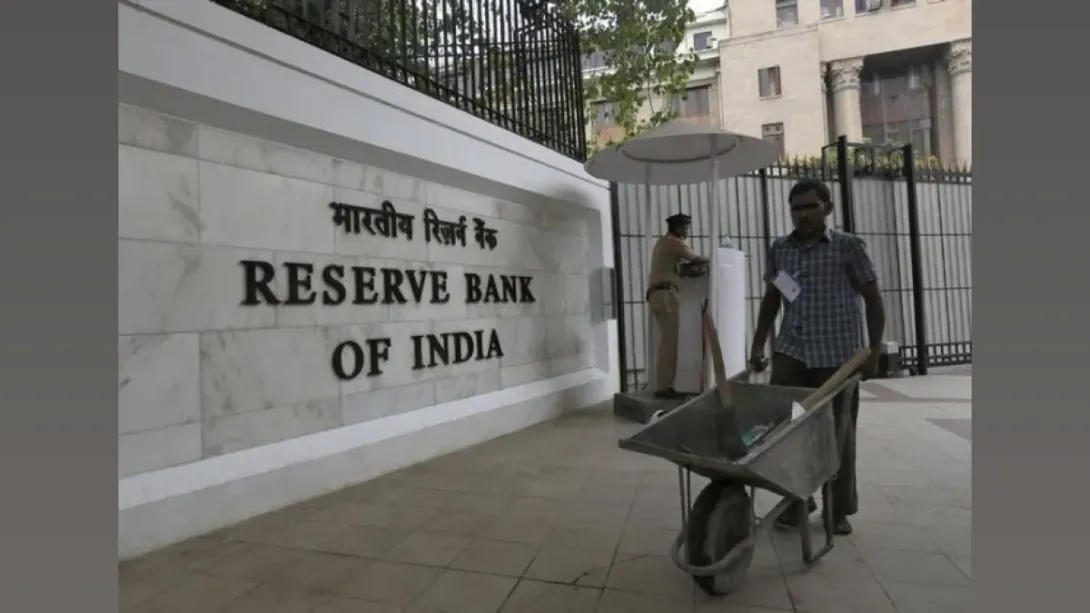
The Reserve Bank of India (RBI) has initiated a series of critical surveys to collect data and insights that will inform its upcoming monetary policy decisions. These surveys—covering industrial outlook, consumer confidence, inflation expectations, and input costs—are designed to provide a comprehensive view of the current economic landscape. The findings will help the central bank assess business sentiment, household spending patterns, and inflationary trends. With these indicators, the RBI aims to refine its monetary policy stance amid evolving domestic and global economic conditions, ensuring balanced growth and price stability in the coming quarters.
RBI Begins Economic Sentiment Surveys Ahead of Policy Review
In preparation for its next monetary policy review, the Reserve Bank of India has launched a fresh round of economic surveys targeting key sectors and stakeholder groups. These include the Industrial Outlook Survey (IOS), Inflation Expectations Survey of Households (IESH), and the Consumer Confidence Survey (CCS).
The IOS focuses on gauging business sentiment across manufacturing industries, analyzing parameters such as production, order books, capacity utilization, employment, and profit margins. The IESH and CCS, meanwhile, gather insights from households regarding inflation expectations, income levels, and overall economic confidence.
These surveys serve as vital inputs for the Monetary Policy Committee (MPC) as it formulates decisions on interest rates, liquidity management, and inflation targeting.
Industrial Outlook and Cost Pressures Under Review
The Industrial Outlook Survey seeks to assess changes in business optimism and identify the pressures faced by manufacturing firms. With recent data showing mixed signals in industrial output, the RBI’s survey results are expected to reveal whether the sector is gaining traction or facing headwinds due to high input costs and global uncertainties.
Manufacturers are being asked to share their views on both current and anticipated business conditions for the next quarter. This data will help policymakers evaluate the momentum in industrial recovery and potential bottlenecks in production and investment.
Tracking Consumer and Inflation Sentiments
The Inflation Expectations Survey of Households remains one of the RBI’s most closely monitored tools for understanding price dynamics. It captures public expectations regarding price movements over three-month and one-year horizons. Rising food and fuel costs, along with housing and service price changes, play a critical role in shaping these expectations.
Similarly, the Consumer Confidence Survey gauges urban consumers’ perceptions of the economy, employment prospects, and financial security. The RBI uses these insights to measure demand-side pressures that could influence inflation and growth trajectories.
Data to Inform Monetary Policy Calibration
The RBI’s decision-making process relies heavily on these surveys, as they complement hard economic data with sentiment-based insights. Together, they allow the central bank to interpret both quantitative and qualitative shifts in the economy—helping determine whether policy tightening or easing is warranted.
With inflation remaining slightly above the comfort band and growth indicators showing resilience, economists expect the central bank to maintain a cautious stance. The latest survey findings will, therefore, be instrumental in shaping the MPC’s tone and guidance in the December policy review.
Strengthening Data-Driven Policy Decisions
By conducting these surveys regularly, the RBI underscores its commitment to evidence-based policymaking. The central bank’s multidimensional approach—combining market data, economic indicators, and sentiment surveys—enables it to maintain macroeconomic stability while navigating challenges such as fluctuating global commodity prices, currency volatility, and geopolitical risks.
The surveys are open to participation from manufacturing firms and households across major Indian cities, ensuring that the results reflect a broad economic perspective.
Conclusion: Grounded Insights for Economic Stability
The RBI’s latest round of surveys comes at a time when the Indian economy faces a complex mix of global headwinds and domestic resilience. By integrating business sentiment, consumer outlook, and inflation expectations into its policy framework, the central bank continues to anchor monetary policy in data and foresight.
The findings from these surveys are expected to offer crucial guidance for the RBI’s upcoming policy deliberations—balancing inflation control with growth support in an uncertain global environment.
Comments