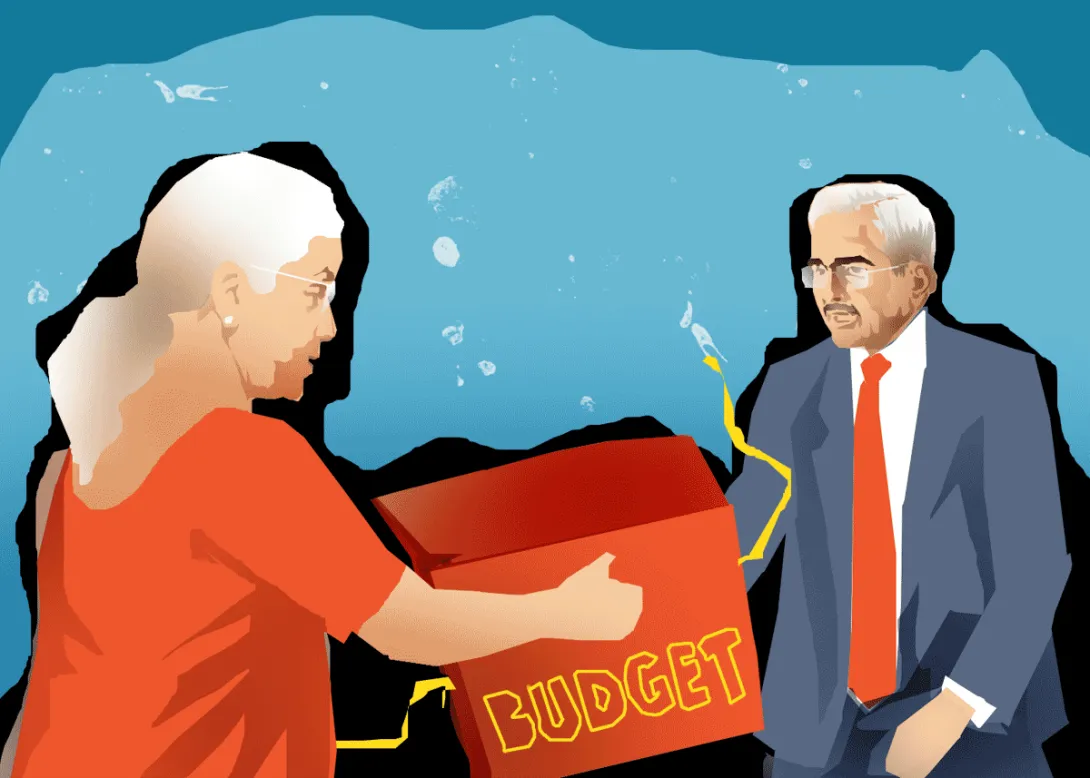
India’s fiscal deficit for the first half of FY2025-26 stood at 36.5% of the full-year target, according to the latest data from the Controller General of Accounts (CGA). The figure reflects improved revenue collection and prudent expenditure management by the central government. The fiscal shortfall reached Rs. 8.03 lakh crore during the April–September period, supported by robust tax receipts and moderate spending. Economists suggest that the government remains on track to meet its fiscal deficit target of 5.1% of GDP for the financial year, signalling continued fiscal consolidation amid resilient economic growth and stable macroeconomic conditions.
Steady Fiscal Performance in First Half of FY26
India’s fiscal position continued to demonstrate resilience in the first half of FY26, with the fiscal deficit recorded at Rs. 8.03 lakh crore, representing 36.5% of the budget estimate of Rs. 22.88 lakh crore for the full year. The figure is a marked improvement from the 39.3% recorded during the same period last year, reflecting stronger revenue mobilisation and disciplined expenditure trends.
According to CGA data, the government’s fiscal performance has benefited from higher tax collections and better dividend payouts from public sector enterprises and the Reserve Bank of India (RBI). The sustained pace of direct and indirect tax inflows indicates a robust recovery in economic activity across key sectors.
Revenue Growth Strengthens Fiscal Stability
Gross tax revenue rose significantly during the April–September period, supported by buoyant Goods and Services Tax (GST) collections, steady corporate tax receipts, and strong income tax inflows. Net tax revenue, after devolution to states, stood at Rs. 13.04 lakh crore, accounting for 49% of the budget target.
Non-tax revenue also contributed meaningfully, bolstered by RBI dividends and higher disinvestment receipts. The central government’s total receipts were Rs. 15.38 lakh crore, or 49% of the annual target, compared to 47% in the same period last fiscal year. This uptick underscores the effectiveness of fiscal consolidation efforts and improved efficiency in tax administration.
Prudent Expenditure Management
On the expenditure front, the central government spent Rs. 23.41 lakh crore during the first half of FY26, representing 46% of the budget estimate. Revenue expenditure accounted for a large portion of this outlay, mainly directed toward subsidies, social welfare programmes, and interest payments. Meanwhile, capital expenditure—a key driver of infrastructure-led growth—stood at Rs. 4.99 lakh crore, or 45% of the full-year target.
Economists view this balance as indicative of fiscal prudence: maintaining public investment momentum while containing revenue spending to preserve long-term fiscal health. The government’s continued emphasis on infrastructure, energy transition, and manufacturing incentives has also supported private sector investment confidence.
Analysts Expect Fiscal Target to Be Met
With six months remaining in the fiscal year, most economists expect the fiscal deficit to remain within the government’s target of 5.1% of GDP, assuming stable revenue inflows and controlled expenditure. The Centre’s fiscal consolidation roadmap aims to reduce the deficit to below 4.5% of GDP by FY2026, aligning with medium-term macroeconomic stability goals.
According to market analysts, the combination of healthy tax buoyancy, controlled subsidies, and disciplined borrowing provides a strong foundation for maintaining fiscal sustainability. However, risks such as volatile global crude prices and uncertain monsoon outcomes could still pose challenges in the second half of the fiscal year.
Outlook: Fiscal Discipline and Economic Growth in Tandem
India’s fiscal trajectory appears on course toward stability, supported by a favourable macroeconomic environment, rising formalisation of the economy, and steady capital spending. The government’s focus on balancing growth imperatives with fiscal restraint is expected to sustain investor confidence and preserve India’s sovereign credit standing.
If the current pace of fiscal management continues, India is likely to not only meet its FY26 deficit target but also strengthen its fiscal buffers ahead of the next budget cycle—creating space for targeted social spending and infrastructure investments without compromising macroeconomic discipline.
Comments