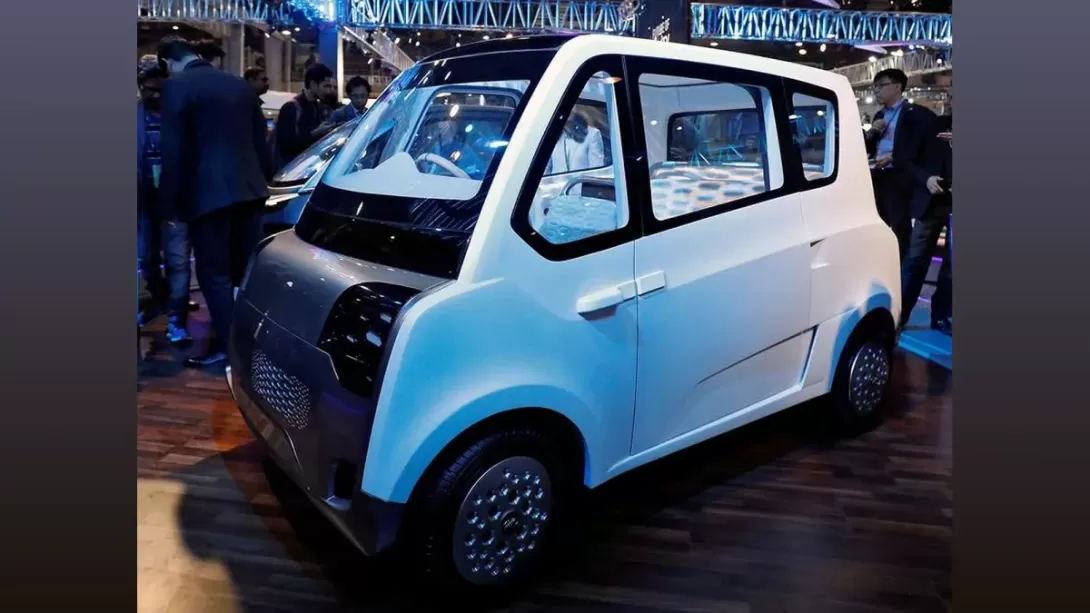
A new study by The Energy and Resources Institute (TERI) reveals that shifting from older vehicles to electric vehicles (EVs) in 44 major Indian cities could significantly reduce air pollution and greenhouse gas emissions by 2035. The transition could lead to a daily reduction of 11.5 tonnes of PM2.5 emissions, cut carbon dioxide equivalent emissions by 61 million tonnes, and save more than Rs. 9.17 lakh crore (USD 106.6 billion) on oil imports. The move would also foster job creation and require extensive infrastructure development, including public charging stations and vehicle scrapping facilities.
Cleaner Air and Reduced Emissions: The Environmental Impact
India's transport sector is a major contributor to air pollution, particularly in its larger cities. According to a recent study conducted by The Energy and Resources Institute (TERI), transitioning from older vehicles to electric vehicles (EVs) in 44 cities with populations of over 1 million could lead to a dramatic reduction in both air pollution and greenhouse gas emissions. By 2035, this shift could prevent 11.5 tonnes of PM2.5 particulate emissions daily, significantly improving air quality. Furthermore, the reduction in greenhouse gas emissions could amount to 61 million tonnes of carbon dioxide equivalent, which would be a major step toward meeting India's climate targets.
Older vehicles, particularly those running on diesel, are among the most significant sources of air pollution in these cities. TERI's study found that diesel buses, especially the older ones, are the largest polluters. In fact, restricting the use of these buses alone could cut PM2.5 emissions by 50% and nitrogen oxide emissions by 80% by 2030. This underscores the urgent need to modernize the country's transport fleet, particularly in highly populated urban centers.
Economic Benefits: Saving Fuel and Reducing Oil Import Costs
The environmental gains from transitioning to electric vehicles also come with substantial economic benefits. According to the TERI report, the shift could save over 51 billion liters of petrol and diesel by 2035. This reduction in fuel consumption could result in a massive decrease in India's oil import bill, which is projected to drop by Rs. 9.17 lakh crore (USD 106.6 billion) over the next decade.
Reducing dependence on imported oil not only strengthens India's energy security but also offers a potential avenue for reinvesting those savings into other sectors of the economy. Additionally, the adoption of EVs would reduce the strain on foreign exchange reserves, helping stabilize the economy.
Job Creation and Infrastructure Development
Beyond environmental and economic benefits, the transition to electric vehicles is expected to create new job opportunities in India. TERI's study estimates that the complete shift to EVs could generate around 3.7 lakh new jobs within the electric vehicle and renewable energy sectors. These jobs would span areas like manufacturing, vehicle maintenance, infrastructure development, and energy generation from renewable sources.
To support this transition, India will need to significantly upgrade its infrastructure. The study highlights the need for over 45,000 public EV-charging stations and 130 vehicle-scrapping facilities across the 44 cities in question. This development will provide a boost to local economies and create a new ecosystem of service providers and technology solutions to support the growing EV market.
A Mixed Approach: CNG as an Alternative
While the transition to electric vehicles is seen as the most environmentally beneficial approach, the study also considers a mixed strategy, where CNG-powered alternatives replace some older vehicles. A shift to CNG would require fewer charging stations and scrapping facilities, but would still require substantial infrastructure upgrades. However, the mixed approach would result in 30% lower greenhouse gas reductions compared to a complete shift to EVs, making the fully electric path the more effective long-term solution for reducing emissions.
Comments