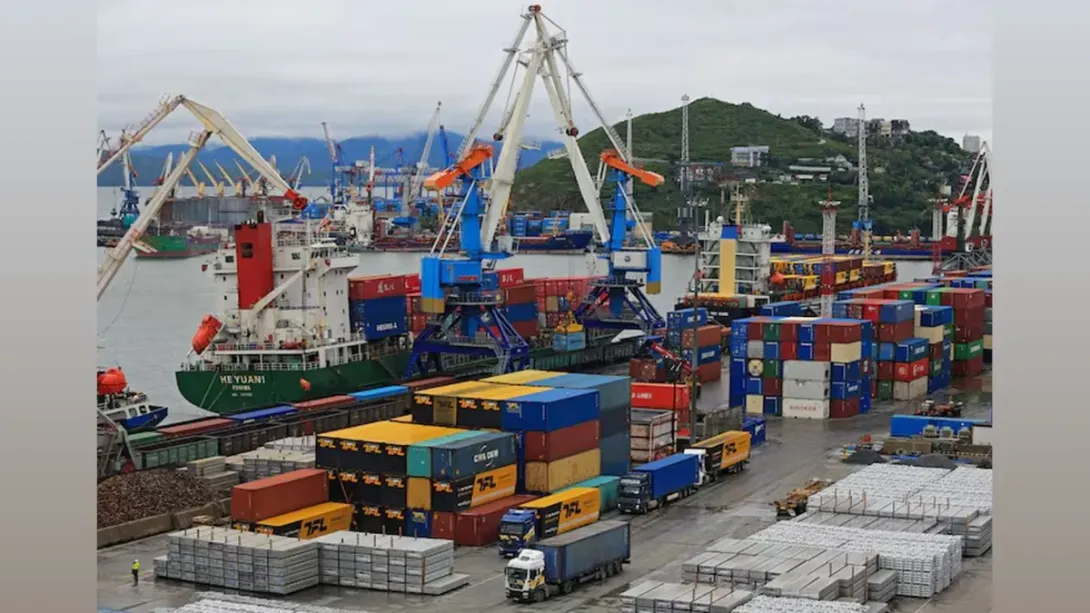
India and Bahrain have officially initiated negotiations to forge a Comprehensive Economic Partnership Agreement (CEPA), aimed at expanding bilateral trade, investment, and technological collaboration. The move underscores India’s growing economic engagement with the Gulf region and Bahrain’s ambition to diversify beyond oil. The negotiations will focus on areas such as goods, services, investment facilitation, and digital trade. Both nations view this proposed deal as a means to enhance mutual market access and strengthen supply chain resilience. The discussions come at a time when India is actively building stronger trade corridors with Gulf Cooperation Council (GCC) members.
Strengthening Bilateral Economic Ties
The opening round of trade negotiations between India and Bahrain marks a significant step toward a deeper and more structured economic relationship. The talks, which began in New Delhi, aim to establish a Comprehensive Economic Partnership Agreement (CEPA) that would facilitate greater market access, investment flows, and cooperation across key sectors including manufacturing, services, and technology.
India, one of the fastest-growing major economies, is seeking to expand its trade footprint across the Gulf region — a vital hub for energy imports and a growing market for Indian exports. Bahrain, strategically located at the heart of the Arabian Gulf, serves as a financial and logistics gateway for businesses entering the Middle East and North Africa (MENA) markets.
In FY2024, bilateral trade between India and Bahrain reached USD 1.65 billion, with India exporting goods worth USD 1.2 billion and importing USD 450 million. The new pact seeks to not only expand these numbers but also diversify trade beyond oil and petrochemical products.
Focus Areas of Negotiation
According to officials, the CEPA discussions will cover a broad spectrum of areas, including tariff reductions, investment protection, services liberalization, digital trade, and intellectual property rights. The agreement also aims to enhance cooperation in renewable energy, information technology, and financial services, sectors that have seen growing synergies between the two nations.
A major component of the talks will center on the development of supply chain resilience — a strategic priority for both countries in the post-pandemic global economy. Bahrain’s advanced logistics infrastructure and India’s manufacturing ecosystem could create a mutually beneficial platform for regional re-exports and innovation.
The Indian delegation, led by senior officials from the Ministry of Commerce and Industry, emphasized that the CEPA will align with India’s larger trade vision under its “Act West” policy, designed to enhance economic linkages with the GCC bloc.
Bahrain’s Economic Diversification Strategy
For Bahrain, the proposed CEPA aligns with its Economic Vision 2030, which seeks to reduce dependency on hydrocarbons and position the nation as a regional center for finance, logistics, and innovation. The country has been steadily attracting foreign investment in fintech, clean energy, and tourism — areas that could see greater collaboration with India under the new framework.
Officials from Bahrain’s Ministry of Industry and Commerce expressed optimism that the agreement would bring tangible benefits to small and medium enterprises (SMEs) in both countries, encourage joint ventures, and support technology transfer in emerging fields such as artificial intelligence and digital payments.
India’s Expanding Trade Footprint in the Gulf
India’s ongoing engagement with Bahrain mirrors its broader strategy of deepening trade relations across the Gulf region, which collectively accounts for more than USD 200 billion in annual trade. New Delhi has already signed CEPA agreements with the United Arab Emirates and is in advanced discussions with the GCC to formalize a region-wide trade pact.
The Gulf remains a critical partner for India — not only as a source of energy but also as a market for engineering goods, pharmaceuticals, and information technology services. Moreover, the Indian diaspora in the region, particularly in Bahrain, plays an important role in strengthening economic and cultural ties.
Outlook: Toward a Strategic Economic Alliance
The initiation of trade negotiations between India and Bahrain marks a pivotal development in South Asia–Gulf relations. If successfully concluded, the CEPA could transform the bilateral economic landscape, providing a foundation for long-term growth, investment, and innovation.
Experts believe the agreement will also contribute to India’s goal of achieving USD 2 trillion in exports by the end of the decade. For Bahrain, it presents an opportunity to anchor its diversification efforts by partnering with one of the world’s most dynamic emerging markets.
The next rounds of negotiations are expected to take place in early 2025, with both nations expressing strong commitment to an expedited and mutually beneficial conclusion.
Comments