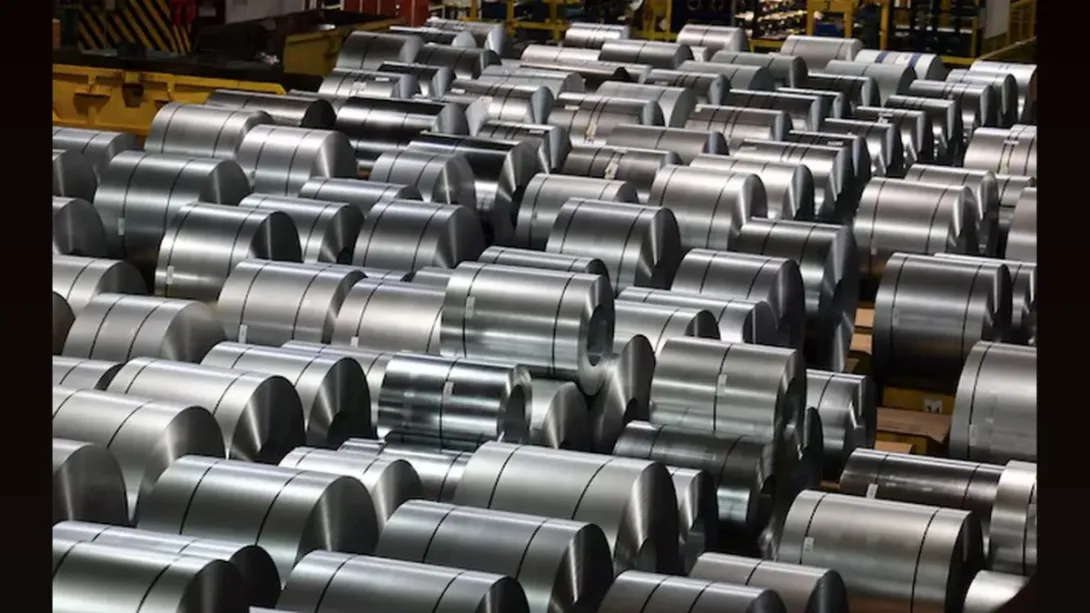
India’s small and medium-scale steel producers are grappling with tightening margins as falling steel prices and rising operational costs strain profitability. According to the Steel Secretary, the current price slump has disproportionately impacted smaller firms that lack the scale and financial resilience of larger integrated players. The decline, driven by subdued global demand and increased supply, has disrupted cash flows across the value chain. While the government is monitoring the situation, industry stakeholders warn that prolonged price weakness could stifle investment, reduce capacity utilization, and threaten employment in the downstream steel ecosystem.
Small Producers Bear the Brunt
The Steel Secretary has expressed concern over the adverse impact of declining steel prices on small and mid-sized manufacturers, highlighting that the ongoing trend poses a serious challenge to their financial stability. Unlike large steel conglomerates that can absorb market shocks through diversified operations, smaller producers face mounting difficulties in maintaining working capital and sustaining production levels.
Over the past several months, domestic steel prices have softened, tracking international trends. A combination of slower global demand, increased Chinese exports, and high inventories has placed downward pressure on prices. This decline has led to an erosion of profit margins for smaller rolling mills and secondary steel units, many of which operate on thin spreads.
Market Dynamics and Global Influences
The fall in steel prices mirrors the broader global market scenario. As major economies contend with slower construction and industrial activity, steel demand has weakened. Meanwhile, elevated exports from China—often priced aggressively—have further dampened regional prices, exerting additional pressure on Indian producers.
Domestically, the situation has been compounded by rising costs of electricity, freight, and raw materials such as coking coal and scrap. For small manufacturers, whose operations are heavily dependent on consistent cash flow, this mismatch between input costs and selling prices has created financial strain.
Industry analysts point out that the secondary steel sector, which contributes nearly 40% of India’s total steel output, is particularly vulnerable to price volatility. Smaller mills often lack access to low-cost financing and economies of scale, making it difficult for them to remain competitive during downturns.
Government Response and Policy Considerations
The Steel Secretary affirmed that the government is closely observing the evolving market conditions and evaluating policy measures to support vulnerable players. Potential interventions may include facilitating easier credit access, expediting input cost rationalization, and enhancing domestic demand through infrastructure-led spending.
The Ministry of Steel has also been engaging with stakeholders to ensure stability in the supply chain and prevent disruptions in employment. Officials noted that a recovery in infrastructure, housing, and manufacturing activity could help absorb excess inventory and stabilize prices over the medium term.
Industry Outlook: Balancing Short-Term Pain with Long-Term Potential
While the short-term outlook remains challenging, experts believe India’s steel sector retains strong long-term fundamentals. Robust infrastructure investments, rising urbanization, and government-backed construction projects are expected to underpin demand growth in the coming years.
However, the immediate concern for policymakers and industry leaders is preventing financial distress among small producers. Without timely support, analysts warn that closures or production cuts could ripple through related industries such as construction, automotive components, and engineering goods.
The Steel Secretary’s remarks underscore the need for a calibrated policy response—one that balances market realities with the imperative of sustaining industrial employment and capacity.
Conclusion: A Crucial Period for the Steel Ecosystem
As steel prices continue to hover near multi-month lows, the stress on small and medium-sized manufacturers could reshape the competitive dynamics of India’s steel industry. The government’s forthcoming measures will play a decisive role in stabilizing the sector and ensuring that smaller firms—critical to the country’s industrial backbone—remain viable contributors to economic growth.
In an industry defined by global interdependence, India’s challenge lies in shielding its domestic producers from external shocks while fostering long-term competitiveness and sustainability.
Comments