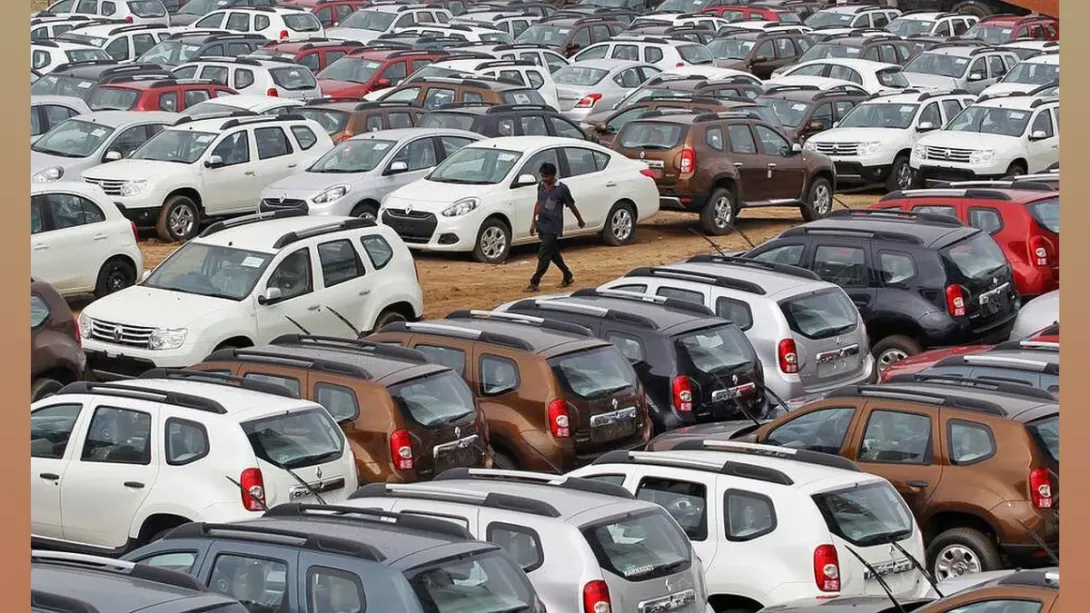
India’s automobile sector continues to experience robust momentum, with sport utility vehicles (SUVs) emerging as the primary growth driver in the passenger vehicle (PV) market. According to a senior Hyundai Motor India executive, the SUV segment now accounts for the lion’s share of overall PV sales, reflecting evolving consumer preferences, higher disposable incomes, and the growing appeal of premium features. The shift toward SUVs has prompted automakers to recalibrate their production mix, expand capacity, and introduce technologically advanced models tailored for Indian roads. The trend underscores how India’s auto market is increasingly mirroring global demand patterns.
SUV Segment Takes the Lead in India’s Auto Market
The Indian passenger vehicle market has undergone a remarkable transformation in recent years, led by the surging popularity of SUVs across all price categories. According to Hyundai Motor India’s senior management, SUVs now contribute significantly to overall sales volumes, driving the company’s performance and reshaping the market’s competitive landscape.
Hyundai, one of the top players in India’s PV segment, has witnessed sustained demand for its SUV portfolio, including models such as the Creta, Venue, and Exter, which continue to dominate their respective categories. The executive emphasized that consumer sentiment has shifted decisively toward vehicles that offer higher ground clearance, spacious interiors, advanced safety features, and a commanding driving position.
The company’s observations are consistent with industry data showing that SUVs now comprise more than 50% of total passenger vehicle sales in India—a dramatic increase from less than 25% just five years ago.
Changing Consumer Preferences and Market Dynamics
The rise of SUVs reflects deeper shifts in consumer behavior and lifestyle aspirations. Modern car buyers, especially in urban and semi-urban centers, are prioritizing versatility, design, and technology over traditional parameters such as compactness and fuel efficiency.
According to Hyundai’s analysis, buyers increasingly view SUVs as multi-purpose vehicles that combine comfort, performance, and safety—factors that resonate with India’s diverse driving conditions. The demand is not confined to premium models; compact SUVs, offering affordability without compromising features, have become a gateway for first-time car owners upgrading from hatchbacks.
The automaker’s executive noted that India’s expanding road infrastructure, coupled with a preference for feature-rich models, has further accelerated SUV adoption. Additionally, the growing penetration of financing options and rising disposable incomes have made SUVs accessible to a broader segment of consumers.
Hyundai’s Strategic Response and Future Outlook
Hyundai Motor India has responded to the SUV boom by aligning its production and product strategies accordingly. The company has expanded its SUV lineup and enhanced its focus on design, innovation, and connected mobility technologies. Its recent launches have incorporated advanced driver-assistance systems (ADAS), improved infotainment platforms, and sustainable powertrain options.
The company also plans to strengthen its presence in the electric SUV category, recognizing the growing interest in green mobility solutions. With the government’s emphasis on electrification and reduced carbon emissions, Hyundai aims to blend its expertise in SUV design with next-generation EV technologies to cater to environmentally conscious consumers.
Furthermore, Hyundai continues to invest in local manufacturing and supplier ecosystems to ensure cost competitiveness and operational resilience. Its long-term strategy involves balancing exports with domestic demand, ensuring flexibility amid shifting global supply chain dynamics.
Industry Implications: SUVs Reshaping Auto Manufacturing
The surge in SUV demand is prompting manufacturers across India to reconfigure their production facilities and prioritize models that align with market sentiment. Several automakers have introduced new SUV variants, upgraded engine options, and localized manufacturing to meet growing domestic demand.
Analysts note that the SUV trend is likely to sustain in the medium term, driven by continuous product innovation, urbanization, and the aspirational shift among middle-class consumers. The category’s growth has also contributed to higher average selling prices (ASPs) and improved profitability margins for automakers.
However, challenges persist. As the segment becomes more competitive, differentiation through technology, design, and after-sales service will be crucial. The increasing focus on electric SUVs also presents opportunities for early movers, but requires significant investment in battery infrastructure and ecosystem development.
Conclusion: SUVs Steering the Future of India’s Auto Industry
The dominance of SUVs in India’s passenger vehicle market marks a decisive shift in the country’s automotive trajectory. As consumer aspirations evolve, vehicles that combine comfort, performance, and technology are set to define the next phase of industry growth.
For Hyundai and its peers, the SUV wave represents not just a product shift but a broader transformation in design philosophy and market positioning. As the company continues to innovate and expand its footprint, it remains well placed to leverage India’s SUV boom—an evolution that mirrors both changing consumer mindsets and the nation’s rising economic confidence.
Comments