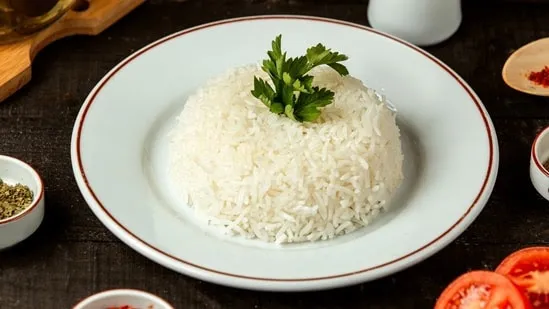
While rice is a staple in many diets worldwide, recent insights from a leading nutrition coach reveal that consuming it without balance may contribute to abdominal fat accumulation. The coach emphasizes that rice, particularly white rice, lacks essential nutrients and fiber, which are crucial for digestion, satiety, and metabolic efficiency. Simply reducing rice intake is not the solution; instead, pairing it with nutrient-dense foods can transform it into a metabolically supportive meal. With obesity and metabolic disorders on the rise, understanding how to consume rice properly is critical for maintaining a healthy weight and long-term wellness.
The Problem with Rice in Modern Diets
White rice is low in fiber and protein, resulting in rapid digestion and glucose spikes. These fluctuations increase insulin secretion, which can promote fat storage around the abdominal region. Additionally, rice’s lack of micronutrients like magnesium, B vitamins, and essential amino acids means it does not provide a balanced nutrient profile when eaten alone.
According to the nutrition coach, over-reliance on rice in meals may inadvertently encourage overeating and cravings, especially when it replaces vegetables, proteins, or healthy fats that provide satiety and metabolic support.
How to Optimize Rice Consumption
The key is not elimination but strategic pairing. To counteract rice’s deficiencies, consider the following approaches:
- Add Protein: Pair rice with lean proteins such as chicken, fish, tofu, or legumes. Protein slows digestion and helps regulate blood sugar levels, reducing fat storage risk.
- Incorporate Fiber: Mix in vegetables or switch to whole-grain or brown rice, which retain bran and fiber for prolonged fullness and improved gut health.
- Include Healthy Fats: Adding sources like avocado, nuts, or olive oil can stabilize energy levels and enhance nutrient absorption.
Smart Substitutions for Better Metabolic Impact
For individuals looking to reduce belly fat, consider partial substitutions:
- Quinoa or Barley: Higher in protein and fiber, offering better glucose control.
- Legumes: Beans or lentils mixed with rice increase satiety and nutrient density.
- Cauliflower Rice: Low-calorie, high-fiber alternative for portion control while maintaining volume in meals.
Rethinking Staple Meals for Long-Term Health
Rice itself is not inherently harmful; its impact depends on meal composition and portion sizes. Nutrition experts emphasize that balancing rice with fiber, protein, and healthy fats transforms it from a simple carb into a meal that supports metabolic health, reduces belly fat accumulation, and sustains energy.
In conclusion, the approach to rice should focus on enhancing its nutritional profile rather than outright elimination. Strategic consumption ensures you continue to enjoy cultural and culinary traditions without compromising your fitness or weight-loss goals.
Comments