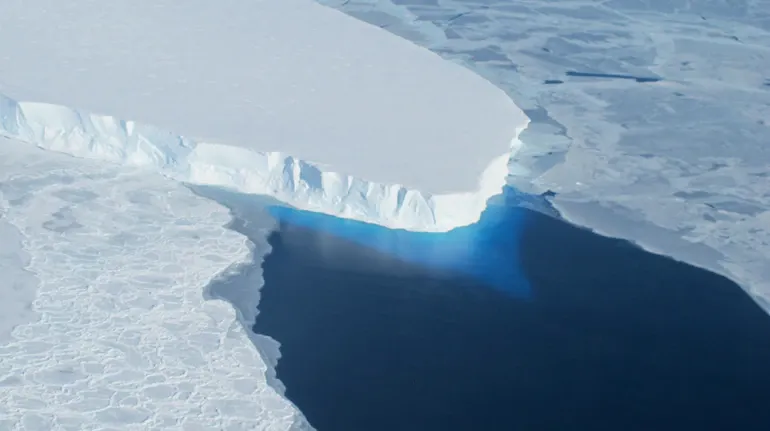
A rapid retreat of the Hektoria Glacier in Antarctica has intensified concerns among climate scientists about accelerating sea-level rise. Recent satellite observations reveal an unexpected acceleration in ice loss, potentially adding significant volumes of freshwater to the Southern Ocean. This development underscores the fragility of polar ice sheets and the cascading effects on global coastlines, ecosystems, and weather patterns. Experts warn that if such glacial retreats continue unchecked, low-lying regions worldwide could face more frequent flooding, threatening both human settlements and biodiversity. The Hektoria Glacier serves as a stark indicator of the urgent need for climate mitigation strategies.
---
Hektoria Glacier: The Latest Warning Sign
The Hektoria Glacier, part of the Antarctic Peninsula’s vast ice network, has historically exhibited seasonal fluctuations but remained relatively stable over decades. However, in recent years, satellite monitoring has captured an unexpectedly rapid retreat, with some sections receding at rates much faster than projected.
Researchers attribute this sudden movement to a combination of warming ocean waters and subglacial melting, which reduces friction at the glacier’s base and allows ice to slide more swiftly toward the ocean. Such dynamics make the glacier a critical area of study for understanding how polar ice sheets respond to climate change.
---
Implications for Global Sea Levels
The accelerated retreat of Hektoria Glacier is not an isolated event; it reflects a broader trend across the Antarctic Peninsula. According to climate models, continued ice loss from glaciers like Hektoria could contribute significantly to global sea-level rise, potentially adding several centimeters by mid-century.
Low-lying cities such as Mumbai, Miami, and Dhaka could experience increased flooding events, while small island nations face existential threats. Beyond human impacts, the influx of freshwater into the Southern Ocean may disrupt ocean currents, alter nutrient distribution, and affect marine ecosystems.
---
The Role of Satellite Technology in Monitoring
Advanced satellite technology, including radar altimetry and laser scanning, has been pivotal in detecting these rapid changes. By measuring ice thickness, flow velocity, and calving rates, scientists can model the glacier’s future behavior and refine projections for global sea-level rise.
Continuous monitoring allows researchers to detect sudden accelerations in ice flow, offering early warnings for regions at risk. The Hektoria Glacier’s dramatic retreat highlights the importance of investing in real-time environmental observation systems.
---
Causes Behind the Sudden Retreat
The glacier’s accelerated movement is primarily driven by ocean-induced melting. Warmer seawater penetrates beneath the floating ice tongue, thinning it from below and destabilizing the glacier. Additionally, rising atmospheric temperatures contribute to surface melting, further weakening the ice structure.
Glaciologists also point to ice-shelf disintegration, where sections of floating ice break off abruptly, accelerating the inland ice’s flow toward the sea. These interrelated processes create a feedback loop, compounding the glacier’s retreat and magnifying its potential contribution to rising seas.
---
Global Response and Research Initiatives
The sudden changes at Hektoria Glacier have prompted renewed international focus on polar research and climate mitigation. Collaborative initiatives among universities, research institutions, and governments aim to model ice-sheet behavior, assess regional vulnerabilities, and inform coastal planning strategies.
Efforts to curb greenhouse gas emissions, alongside adaptive infrastructure planning, are essential to manage the impacts of accelerated sea-level rise. The Hektoria Glacier serves as a tangible reminder of the urgency for coordinated global climate action.
---
Conclusion: A Critical Indicator for Climate Change
The rapid retreat of Hektoria Glacier is more than a local environmental concern; it represents a global challenge with far-reaching consequences. As ice sheets continue to respond to warming oceans and atmospheres, the world must prepare for higher seas, changing ecosystems, and intensified weather events.
Understanding the dynamics of glaciers like Hektoria is vital for predicting the pace of future sea-level rise and developing strategies to safeguard vulnerable populations and habitats. The glacier’s retreat underscores the pressing need for both mitigation and adaptation in the face of climate change.
Comments