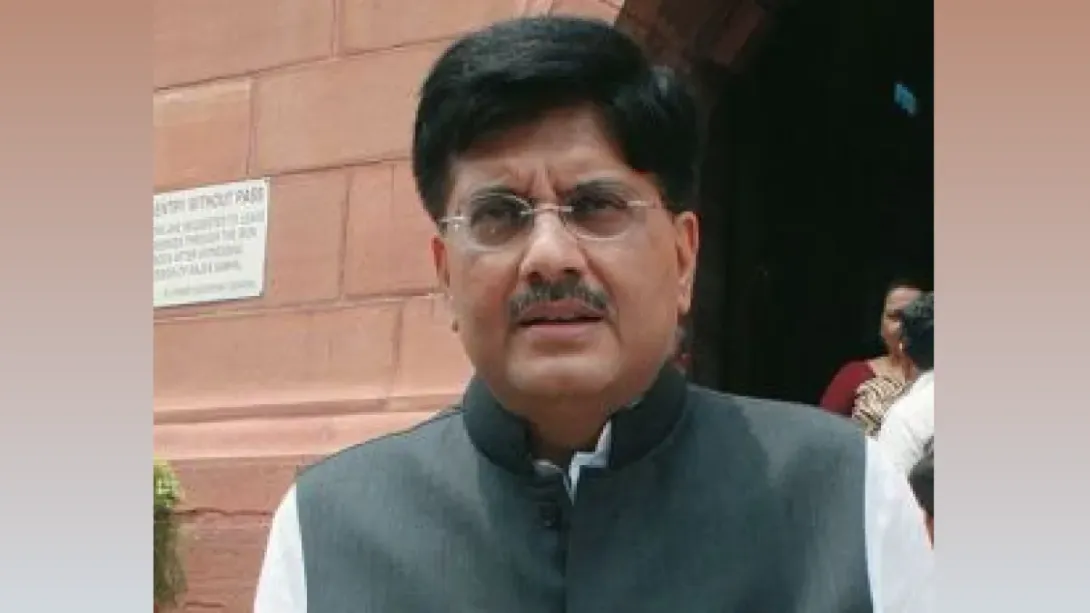
India’s Minister of Commerce and Industry, Piyush Goyal, met with a high-level delegation from the Utah State Senate to discuss opportunities for collaboration in artificial intelligence, clean energy, and emerging technologies. The dialogue focused on fostering bilateral innovation, sustainable energy solutions, and digital transformation. Both sides emphasized strengthening academic partnerships, industrial cooperation, and joint research aimed at promoting innovation-driven economic growth. The meeting signals India’s growing engagement with U.S. state-level leadership to expand trade relations beyond traditional sectors and accelerate collaboration in next-generation industries.
India and Utah Explore Synergies in Innovation and Energy
During the meeting, Piyush Goyal and members of the Utah Senate delegation exchanged perspectives on the evolving global technology landscape, highlighting the pivotal role of AI and clean energy in shaping the economies of the future. The discussions underscored the shared vision between India and Utah to harness the power of emerging technologies for economic resilience, sustainable growth, and inclusive innovation.
Utah, known for its thriving tech ecosystem—often referred to as “Silicon Slopes”—has been a major hub for artificial intelligence research, data analytics, and renewable energy solutions. The state’s focus on clean energy and AI-driven industries aligns closely with India’s own ambitions to become a global hub for digital innovation and sustainable manufacturing.
Strategic Cooperation in AI, Digital Transformation, and Research
Both sides expressed strong interest in developing institutional partnerships to promote joint research and skill development in artificial intelligence, machine learning, and data-driven technologies. Goyal highlighted India’s robust digital ecosystem, home to one of the world’s fastest-growing AI and startup sectors, supported by government initiatives such as Digital India and Startup India.
The Utah delegation emphasized the importance of cross-border collaboration in emerging technologies, with a focus on responsible AI governance, cybersecurity, and data ethics. The dialogue also explored the potential for academic institutions and technology firms from both regions to engage in joint research and innovation projects, particularly in areas such as AI-powered healthcare, smart manufacturing, and sustainable infrastructure.
Clean Energy as a Shared Priority
Clean and renewable energy emerged as a central theme of the discussions. India has committed to achieving net zero emissions by 2070 and expanding its non-fossil fuel capacity to 500 GW by 2030, while Utah continues to make significant strides in solar, wind, and geothermal technologies.
The meeting explored the possibility of collaborative projects in renewable energy storage, carbon capture, and green hydrogen—areas where both India and Utah possess growing expertise. Goyal emphasized that such partnerships could unlock new opportunities for technology transfer, investment, and sustainable industrial growth, advancing global climate goals while creating high-quality jobs in both economies.
Strengthening Subnational Diplomacy with the United States
This engagement reflects India’s broader diplomatic approach to strengthen state-to-state partnerships within the U.S., complementing federal-level cooperation. By engaging directly with states such as Utah, India aims to deepen commercial and technological ties, expand trade linkages, and create innovation corridors connecting Indian and American businesses.
Goyal noted that India’s growing emphasis on technology-led growth aligns with Utah’s innovation-driven economic model. The discussion also opened the door for future collaborations in education, entrepreneurship exchange programs, and investment promotion initiatives, particularly for startups and SMEs seeking access to global markets.
Outlook: A Roadmap for Future Collaboration
Both parties reaffirmed their commitment to transforming the outcomes of this dialogue into actionable initiatives. Potential areas of follow-up include memoranda of understanding between industry bodies, university partnerships, and joint working groups focused on AI, clean energy, and sustainable development.
The meeting between Minister Goyal and the Utah Senate delegation represents not only a diplomatic engagement but also a strategic convergence of shared priorities—innovation, sustainability, and digital transformation. As both sides look to translate these conversations into tangible results, the collaboration could emerge as a model for state-level international partnerships, fostering mutual growth and advancing the global agenda for clean, intelligent, and equitable economic progress.
Comments