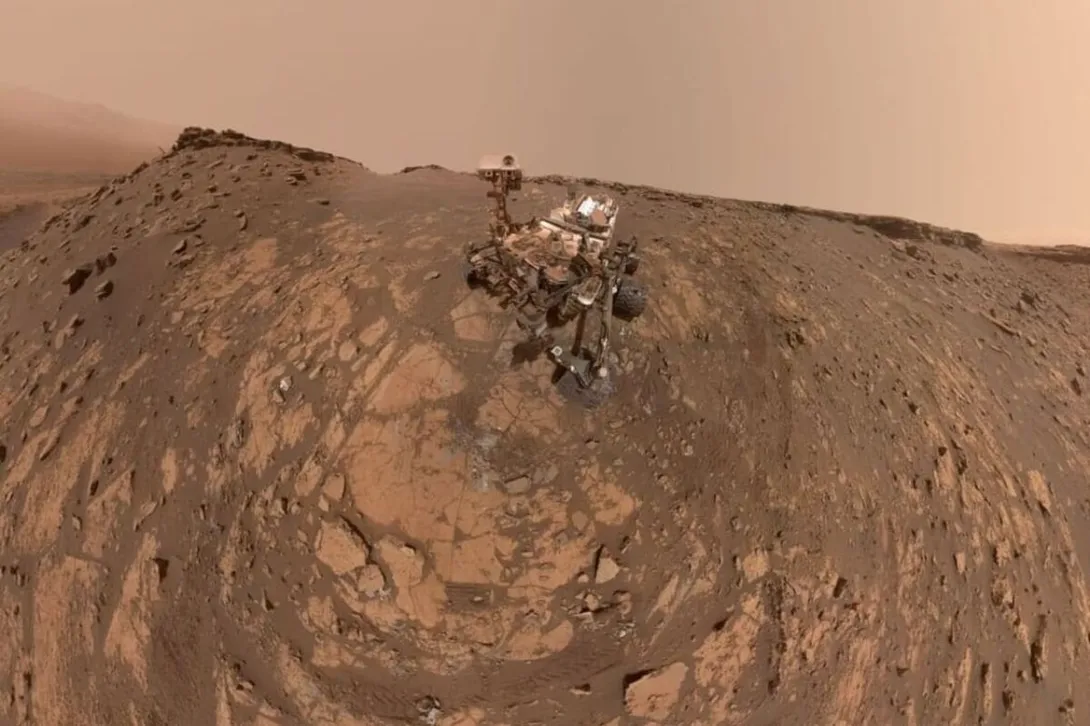
In a compelling breakthrough for planetary science, new research indicates that liquid water once flowed beneath the Martian surface far longer than previously assumed. The findings, derived from detailed geological and mineralogical analyses, strengthen the argument that Mars may have sustained habitable environments deep underground, even as its surface became inhospitable. These subsurface water systems, potentially active for millions of years after the planet lost its atmosphere, offer renewed hope that microbial life could once have thrived on the Red Planet. The discovery not only reshapes scientific understanding of Mars' evolutionary timeline but also refines future exploration priorities.
---
Subsurface Water: A Prolonged Lifeline on the Red Planet
For decades, scientists have debated the duration and distribution of Martian water. While surface rivers, lakes, and oceans disappeared billions of years ago, new evidence reveals that groundwater systems continued to operate underneath the planet's crust. This prolonged subsurface hydrology suggests that Mars retained essential ingredients for life well after surface conditions deteriorated.
Sophisticated imaging and mineral mapping point to networks of fracture lines, hydrated salts, and ancient sedimentary deposits. These observations imply that groundwater movement was not an isolated or brief occurrence, but part of a sustained geological process driven by internal heat and crustal dynamics.
---
Implications for Ancient Habitability
Persistent subsurface water reshapes the scientific conversation around Martian habitability. Unlike Earth, where water cycles involve atmosphere, surface, and underground reservoirs, Mars’ water seems to have retreated inward as climate conditions worsened.
Subsurface environments shielded from radiation and temperature extremes could have provided suitable conditions for microbial ecosystems. The presence of minerals formed in wet environments—such as clays and sulfate deposits—add credibility to this hypothesis.
These findings support the theory that life, if it ever emerged on Mars, would most likely have been sustained underground, similar to microbial communities found beneath Earth’s deserts and polar regions.
---
Scientific and Exploration Significance
The emerging narrative of Mars as a world with prolonged subsurface water informs future mission strategies. Robotic explorers and orbiters have largely focused on ancient surface features; however, long-term habitability prospects now shift attention toward underground ice, minerals, and potential brine pockets.
This research underscores the importance of next-generation drilling systems and seismic instruments capable of probing Martian depth layers. A future mission equipped to reach subsurface deposits could dramatically increase the probability of detecting biosignatures—current or fossilized.
Moreover, these insights are crucial as space agencies and private partners outline human-exploration plans. Understanding underground water reservoirs may hold practical implications for resource extraction and long-term habitation.
---
A Balanced Perspective
While the latest study offers encouraging evidence, scientists emphasize that the presence of subsurface water alone does not guarantee life. Chemical energy sources and sustained geothermal heat would have also been necessary. Nonetheless, this research provides a compelling foundation to expand exploration frameworks and revise timelines for habitability on Mars.
---
Conclusion
The revelation that Mars may have harbored moving groundwater long after surface water vanished is a significant milestone in planetary research. It redraws scientific expectations, deepens curiosity about ancient Martian ecosystems, and sets the stage for a renewed era of exploration aimed at uncovering the planet’s buried secrets.
Comments