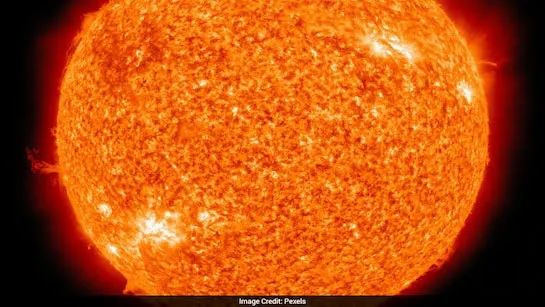
A powerful X4-class solar flare erupted from the Sun, triggering extensive radio blackouts across several regions on Earth and disrupting high-frequency communication systems. The intense burst of electromagnetic energy, among the strongest in the solar flare scale, originated from an exceptionally active sunspot region currently facing Earth. Scientists observed significant impacts on aviation communication, maritime networks, and shortwave frequencies used by emergency responders. The flare also released heightened levels of solar radiation, prompting space weather agencies to monitor potential aftereffects, including geomagnetic disturbances. This event underscores the growing relevance of space-weather forecasting as solar activity intensifies in the current cycle.
A Major Solar Eruption With Global Impact
The Sun’s latest outburst, classified as an X4 flare, represents one of the highest intensities within the solar flare ranking system. Such X-class flares have the capacity to disrupt technological systems on Earth, particularly those dependent on radio signals and satellite-based communication. The eruption released a burst of X-ray and ultraviolet radiation that reached Earth in minutes, overwhelming sections of the upper atmosphere and interrupting signal transmission.
Regions beneath the Sun-facing hemisphere experienced the most pronounced blackouts, with communication outages reported in scattered parts of Asia, Australia, Africa, and the Indian Ocean corridor.
How the Solar Flare Disrupted Communication
When solar flares reach Earth, they ionize the planet’s upper atmospheric layers, creating dense plasma that absorbs high-frequency radio waves. This effect—known as a shortwave radio blackout—leads to temporary loss of communication for aircraft, ships, and emergency radio operators.
The recent X4 flare caused significant signal degradation across aviation routes relying on HF radio backup systems. Commercial flights were forced to reroute or switch communication channels, while maritime operators experienced diminished range in long-distance transmissions. The disruptions lasted from several minutes to over an hour in some areas, depending on atmospheric conditions.
Scientific Response and Space Weather Monitoring
Researchers are closely analyzing data from the eruption to assess whether additional solar activity may follow. The Sun is approaching the peak of its current 11-year solar cycle, a period characterized by intensified magnetic turbulence and frequent flare production. Highly active sunspots, such as the source of this flare, can continue to generate eruptions over the course of days or weeks.
Space weather teams are also observing for coronal mass ejections (CMEs) that sometimes accompany such flares. A CME directed toward Earth could trigger geomagnetic storms, potentially affecting power grids, satellite operations, and navigation systems.
Rising Need for Solar Preparedness
The flare highlights the growing urgency for robust space-weather forecasting capabilities. As global dependence on digital infrastructure increases, even short-lived solar disruptions can have large-scale economic consequences. Industries such as aviation, logistics, energy, and telecommunications are particularly vulnerable to sudden changes in solar radiation levels.
Improved predictive models, better shielding for satellites, and coordinated international monitoring efforts are becoming essential for mitigating risks. The latest flare serves as a reminder that solar activity remains one of the few natural forces capable of disrupting worldwide technological systems within minutes.
Comments