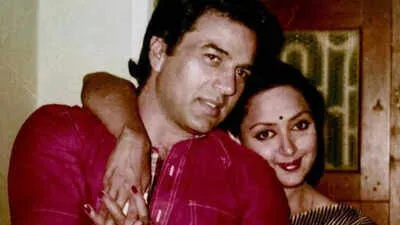
Dharmendra and Hema Malini’s marriage remains one of the most intriguing chapters in Bollywood history, marked by admiration, controversy and emotional complexity. While the couple shared an enduring bond on and off screen, their union unfolded under circumstances that shaped a unique family arrangement. Dharmendra’s existing marriage and deep-rooted family commitments played a defining role in the unconventional structure that followed. Hema’s choice to maintain her own household, raise her daughters independently and keep a dignified distance from public scrutiny reflects both personal conviction and pragmatic understanding. This article explores the nuanced dynamics behind their marriage and the evolution of their blended family.
---
A Relationship That Defied Norms
Dharmendra and Hema Malini were one of Indian cinema’s most loved screen pairs. Their transition from co-stars to real-life partners, however, came with complexities rooted in Dharmendra’s earlier marriage and his responsibilities toward his first family. Rather than embrace a conventional set-up, their relationship evolved into a partnership shaped by mutual respect, personal boundaries and evolving expectations.
Hema’s decision to avoid a traditional shared home became a defining aspect of their marriage—one that reflected her individuality and her awareness of the delicate circumstances surrounding their union.
---
Why Hema Malini Chose Her Own Space
One of the most discussed aspects of their marriage is Hema Malini’s choice not to live under the same roof as Dharmendra. Multiple factors contributed to this decision.
First, Dharmendra remained involved with his first family, a commitment he never withdrew from. Hema, recognizing the sensitivity of the situation, opted to build her own home and raise her daughters without disrupting existing relationships.
Second, Hema has often articulated her preference for independence—an approach grounded in emotional self-reliance and a desire to cultivate a peaceful environment for her children. The choice allowed her daughters, Esha and Ahana, to grow without the weight of public comparisons or familial conflict.
---
Balancing Love, Responsibility and Public Expectations
Their arrangement demonstrated a delicate equilibrium. Dharmendra maintained relationships with both sides of his family, while Hema ensured that her private life remained insulated from unnecessary attention. Instead of demanding uniformity, the couple embraced a structure that worked for their personal realities.
Hema’s public persona—marked by grace and restraint—also influenced her choices. She rarely addressed private matters, focusing instead on her work, her daughters and her political responsibilities. This approach helped defuse speculation and ensured dignity for all involved.
---
A Blended Family Navigated With Maturity
While Dharmendra’s first family and Hema’s household remained separate, the families gradually forged civil ties over the years. Milestones such as weddings and industry events displayed a quiet, mutual respect that developed with time.
The children from both sides have maintained cordiality, reflecting an understanding shaped by maturity rather than forced integration. The blended family structure remains unconventional but functional, built around personal space and emotional clarity.
---
A Marriage Built on Choice, Not Convention
Dharmendra and Hema Malini’s story is a reminder that marriages do not always conform to societal expectations. Their relationship endured because it was anchored in choice, compromise and a realistic understanding of life’s complexities. While their arrangement may appear unusual, it allowed them to preserve affection without disturbing existing foundations.
Their journey illustrates that meaningful partnerships are not always defined by shared households but often by respect, trust and the freedom to shape one’s own version of family.
Comments