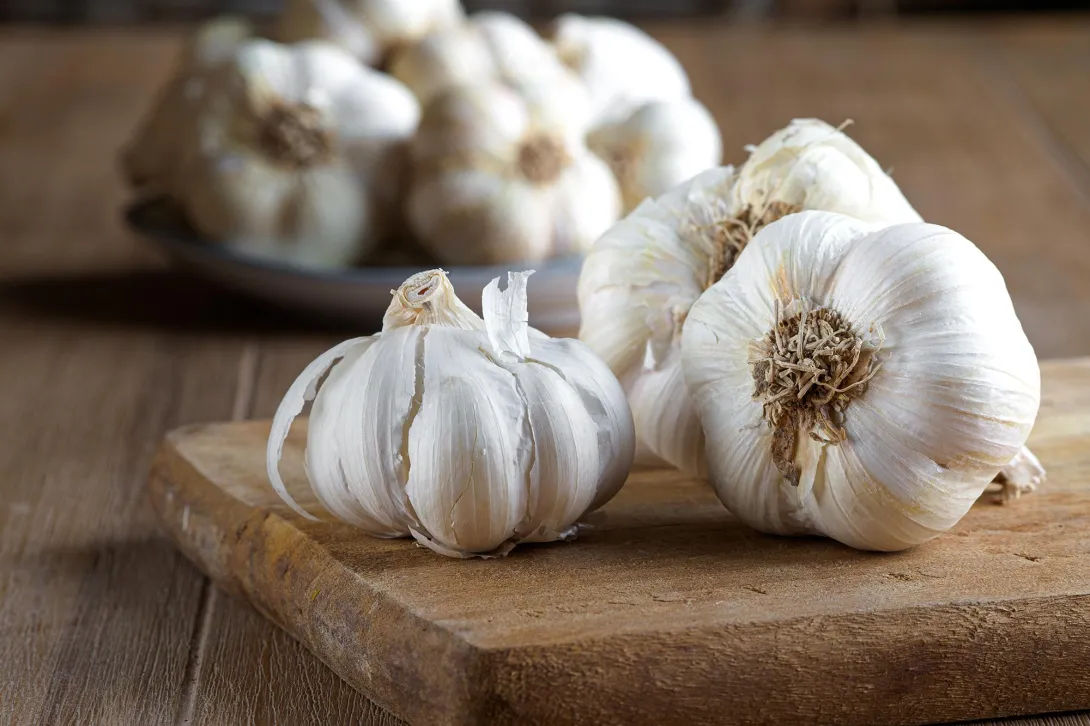
Recent studies in oral healthcare have spotlighted garlic-based mouthwashes as a natural alternative for maintaining oral hygiene and combating bacterial infections. Leveraging allicin, garlic’s bioactive compound, these formulations exhibit potent antimicrobial, anti-inflammatory, and antioxidant properties. Researchers suggest that regular use may reduce plaque formation, gingivitis, and oral malodor while providing a safe adjunct to conventional dental care. As consumer interest in herbal and functional oral care products rises, garlic-infused mouthwashes are emerging as a viable option for health-conscious individuals. This development highlights the convergence of traditional remedies and modern science in preventive oral healthcare.
Garlic’s Bioactive Properties in Oral Care
Garlic, long celebrated for its medicinal qualities, contains allicin, a compound with proven antimicrobial efficacy against oral pathogens such as Streptococcus mutans and Porphyromonas gingivalis. When incorporated into mouthwash, allicin disrupts bacterial cell walls, reducing microbial load and preventing plaque accumulation. Its anti-inflammatory properties also contribute to mitigating gum irritation and periodontal inflammation.
Efficacy in Reducing Oral Malodor
Halitosis, or chronic bad breath, often results from bacterial metabolism in the oral cavity. Garlic-based mouthwashes neutralize odor-causing bacteria while leaving a mild herbal aftertaste, offering an effective and natural solution for daily oral hygiene routines.
Integration with Modern Dental Practices
Dental professionals are increasingly recognizing herbal mouthwashes as adjunctive care. Garlic-infused formulations complement mechanical cleaning methods, such as brushing and flossing, providing an additional antimicrobial shield without the side effects commonly associated with chemical agents like chlorhexidine.
Consumer Trends and Market Potential
The rise of herbal and plant-based personal care products has driven demand for functional mouthwashes. Garlic-based options cater to consumers seeking natural, evidence-backed alternatives, aligning with broader wellness trends in preventive healthcare.
Challenges and Considerations
Despite their benefits, garlic-infused mouthwashes face challenges related to taste, stability of active compounds, and standardization across brands. Ongoing research is essential to optimize formulation, ensure consistent therapeutic efficacy, and educate consumers on proper usage.
Conclusion
Garlic-based mouthwashes exemplify the intersection of traditional remedies and modern science, offering promising benefits in antimicrobial defense, oral hygiene maintenance, and anti-inflammatory support. As research advances and formulations improve, these natural oral care solutions are poised to become a mainstream component of preventive dental care strategies.
Comments