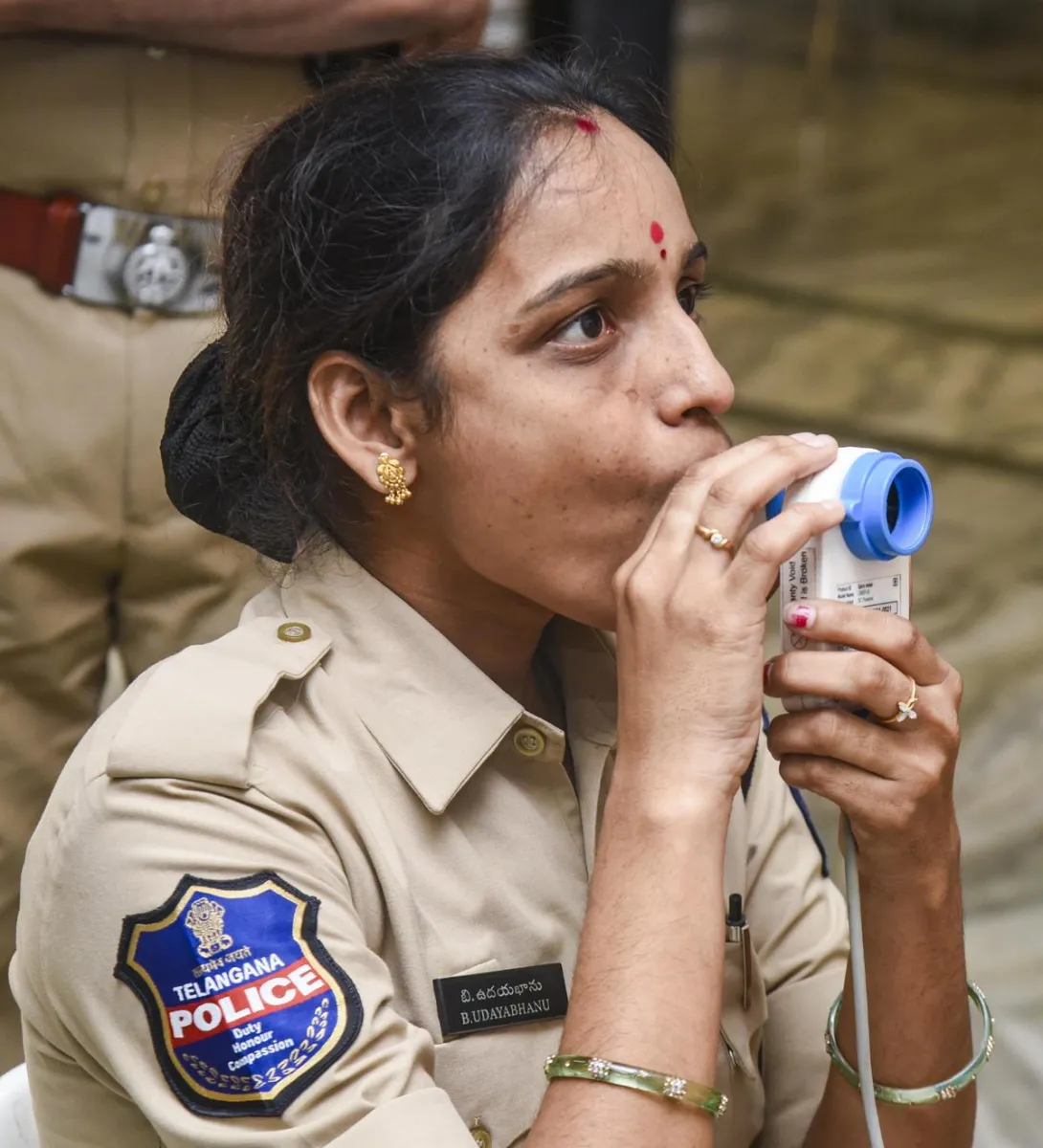
Chronic Obstructive Pulmonary Disease (COPD) continues to pose a significant health challenge globally, with escalating prevalence linked to smoking, air pollution, and occupational hazards. The disease, characterized by persistent respiratory symptoms and airflow limitation, contributes substantially to morbidity and healthcare costs. Recent studies underscore the need for early detection, lifestyle interventions, and improved access to treatment, particularly in urban regions with high pollution levels. Public health initiatives targeting smoking cessation, pollution control, and patient education are increasingly critical. As COPD cases surge, integrating preventive strategies with clinical management is essential to reduce disease burden and improve population lung health.
Understanding COPD and Its Causes
COPD encompasses chronic bronchitis and emphysema, conditions that gradually impair lung function. Smoking remains the leading cause, responsible for approximately 85% of cases, while long-term exposure to pollutants, dust, and chemical fumes exacerbates disease progression. Genetics and a history of respiratory infections also contribute to susceptibility, highlighting a multifactorial etiology.
Health Implications and Complications
COPD significantly diminishes quality of life, causing persistent cough, breathlessness, and reduced exercise tolerance. Complications include frequent respiratory infections, pulmonary hypertension, and increased cardiovascular risk. Advanced stages often necessitate oxygen therapy and hospitalisation, placing substantial strain on healthcare systems.
Vulnerable Populations
The elderly, smokers, and individuals in high-pollution environments face heightened risk. Urban populations exposed to vehicular emissions and industrial pollutants experience accelerated disease progression. Early detection in at-risk groups is pivotal to slowing deterioration and improving outcomes.
Preventive Measures and Treatment Approaches
Effective management of COPD combines lifestyle modifications, pharmacotherapy, and pulmonary rehabilitation. Smoking cessation is paramount, complemented by avoidance of environmental triggers. Inhaled bronchodilators, corticosteroids, and emerging biologics improve symptom control. Public health campaigns promoting clean air, workplace safety, and patient education are essential adjuncts to clinical care.
Economic and Societal Impact
The rising prevalence of COPD imposes economic burdens through healthcare expenditures, lost productivity, and caregiver demands. Strategic investments in preventive measures, early diagnosis, and treatment accessibility can mitigate these costs, emphasizing COPD as both a medical and socio-economic concern.
Conclusion
COPD represents a growing public health challenge, driven by environmental and lifestyle factors. Holistic strategies integrating prevention, early intervention, and optimized clinical management are critical to reducing disease burden. Policymakers, healthcare providers, and communities must collaborate to safeguard lung health and enhance long-term quality of life for affected populations.
Comments