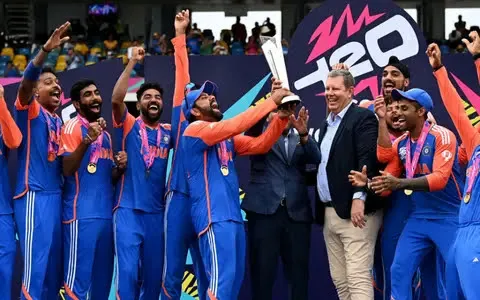
Cricket’s global footprint is set to widen significantly as the International Cricket Council prepares for its largest T20 World Cup cycle to date. A total of 81 participating nations have entered the qualification pathway for the 2026 edition, which will eventually shrink to 20 competing teams at the main event. The expanded qualifying roster underscores the sport’s accelerating reach across emerging markets, with regional tournaments, multi-stage eliminations, and performance-driven ranking mechanisms determining the final draw. As the stakes rise for both established and developing cricketing nations, the 2026 World Cup is expected to deliver a more competitive and inclusive global showcase.
---
A New Chapter in Global Cricket
The 2026 T20 World Cup is shaping up to be the most extensive undertaking in the modern history of cricket’s shortest format. With 81 teams entering the qualification structure, the ICC has signaled a strong shift toward inclusivity and competitive diversification. This approach reflects the governing body’s long-term strategy to promote cricket beyond its traditional strongholds, especially in regions where the sport is still developing infrastructure and fan engagement.
The scale of participation also highlights the growing appetite among new cricketing nations to challenge established powers. For many teams, this cycle offers not just a shot at World Cup entry but also a platform to secure funding, strengthen domestic programs, and attract broader recognition.
---
Qualification Roadmap: How the 20 Teams Will Emerge
The qualification process is constructed to ensure fairness while maintaining competitive integrity. Multiple regional pathways across Asia, Africa, Europe, the Americas, and the East Asia-Pacific region will determine which teams advance to the final 20.
Each zone will stage its own tournaments, progressing from sub-regional rounds to regional finals. Performance, ranking movements, and head-to-head outcomes will play crucial roles in determining advancement. The process is engineered to give rising teams legitimate opportunities while rewarding consistency among higher-ranked sides.
By the time the cycle concludes, only a quarter of the initial entrants will secure a coveted position in the World Cup draw, illustrating the fierce level of competition expected in this expanded format.
---
A Strategic Push Toward Market Growth
The ICC’s decision to broaden participation aligns with its commercial and developmental objectives. Emerging markets such as the United States, Nepal, Papua New Guinea, and several European nations have displayed rapid growth in cricketing culture. The expanded qualification pathway reinforces the ICC’s intent to cultivate these regions, tapping into new audiences and revenue streams.
Moreover, increasing the number of competing nations enhances the sport’s global visibility, potentially drawing in broadcast partnerships, sponsorship arrangements, and long-term investments in domestic cricket ecosystems.
---
What the Expansion Means for 2026 and Beyond
The 2026 edition is more than a tournament—it is a blueprint for cricket’s future. With 20 teams set to feature, the event promises unprecedented diversity in play styles, strategic approaches, and competitive unpredictability. Traditional powerhouses may face challenges from nations that enter with momentum earned through rigorous qualifying rounds.
This structural evolution also presents fans with narratives that extend far beyond the established cricketing elite. Underdog stories, regional rivalries, and breakthrough talents could define the headlines leading into the World Cup.
---
Conclusion
As preparations intensify for the 2026 T20 World Cup, the ICC’s commitment to expanding the game’s global relevance is unmistakable. Narrowing 81 ambitious teams down to 20 contenders will deliver months of high-stakes cricket, setting the stage for one of the most dynamic and inclusive tournaments in the sport’s history. With heightened competition and broader participation, the 2026 edition is poised to reshape the landscape of international cricket for years to come.
Comments