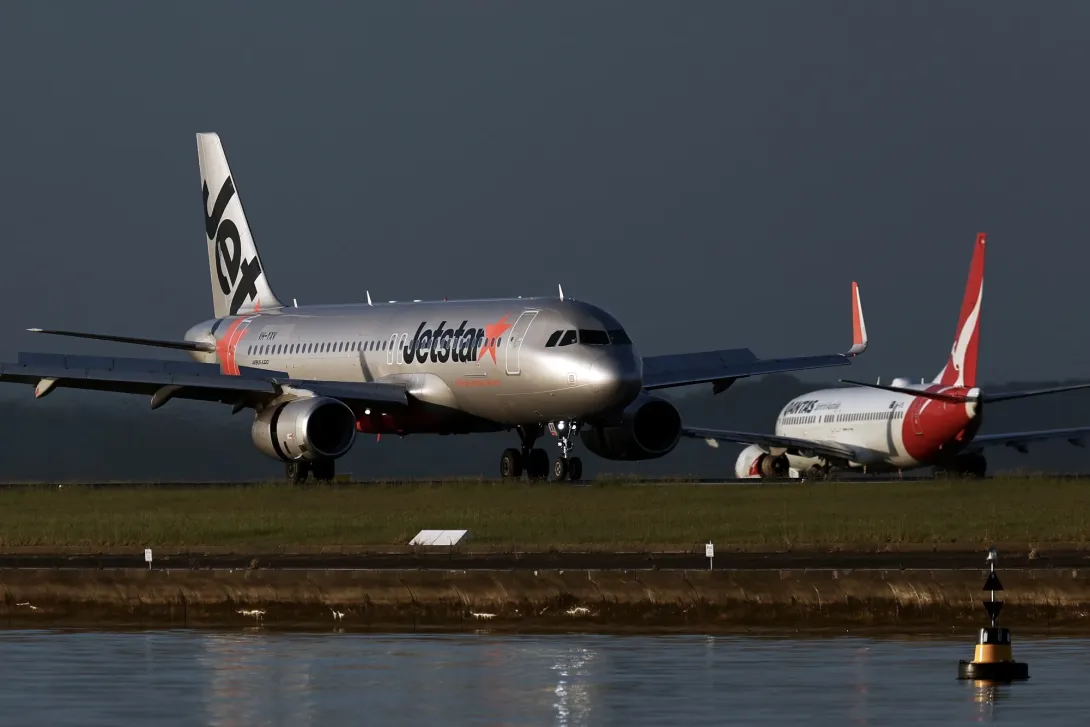
A sweeping recall of Airbus A320 aircraft has triggered widespread disruption across global aviation networks, forcing airlines to ground fleets, revise schedules, and warn passengers of prolonged delays. The recall, initiated after the discovery of a critical component flaw, affects thousands of flights and threatens to strain operational capacity during a period of strong travel demand. Carriers are scrambling to reposition aircraft, secure replacement parts, and mitigate financial losses, while regulators push for rapid compliance to ensure safety. As the industry confronts yet another operational shock, the recall underscores persistent vulnerabilities in aviation supply chains and fleet maintenance ecosystems.
A Widespread Recall Sends Shockwaves Through Aviation
A large-scale recall of Airbus A320 models has disrupted airline operations worldwide, with carriers abruptly grounding aircraft to address a technical defect flagged by safety regulators. The issue, involving a malfunction-prone component related to flight control systems, prompted immediate inspections and repairs, leaving airlines with little room to maneuver during peak travel periods.
Early estimates suggest that thousands of flights have either been cancelled or are at risk of rescheduling, with passengers facing extended wait times and limited rebooking options. Airlines operating sizeable A320 fleets—particularly low-cost carriers—are among the hardest hit, given their heavy reliance on the narrow-body aircraft for short and medium-haul routes.
Airlines Grapple With Operational and Financial Fallout
The sudden loss of aircraft availability has forced airlines to overhaul their short-term operating plans. Many are redeploying larger jets, trimming frequencies, or consolidating routes to preserve network connectivity. However, these solutions offer only partial relief, as maintenance slots and replacement parts remain in short supply.
Industry experts anticipate a ripple effect on airline financials. Carriers may face elevated costs for leasing temporary aircraft, crew reallocations, and passenger compensation. The recall also threatens to dent quarterly earnings for airlines that operate dense A320 schedules, especially in regions already struggling with limited fleet capacity.
Regulators Prioritize Safety Amid Mounting Pressure
Aviation regulators have underscored that safety takes precedence over schedule reliability, issuing directives that mandate immediate compliance. Technical teams are working closely with Airbus to expedite repair procedures and minimize grounding durations.
Airbus, for its part, has expressed confidence in its ability to address the defect swiftly but has acknowledged that supply chain constraints could extend turnaround times. The manufacturer is coordinating with global maintenance and engineering partners to streamline part distribution and accelerate inspections.
Passengers Face Prolonged Disruptions
Travellers across major hubs in Europe, Asia, and the Middle East are experiencing significant delays, long queues, and reduced flight availability. Industry analysts warn that the disruption could intensify if airlines struggle to absorb the operational shock.
Many carriers have issued advisories urging passengers to check their flight status frequently and expect last-minute schedule changes. Those holding flexible tickets are encouraged to reschedule voluntarily to ease the load on constrained networks.
A Wake-Up Call for the Aviation Supply Chain
The A320 recall serves as a stark reminder of the fragility of aviation supply chains, which continue to face shortages of critical components and skilled maintenance personnel. While the industry has largely rebounded from the pandemic-era slump, persistent backlogs in aircraft production and maintenance have heightened the impact of unforeseen technical issues.
Analysts note that airlines with diversified fleets may weather the storm more effectively, though even these carriers face logistical challenges in reallocating aircraft and crews. For airlines heavily dependent on A320 variants, the recall represents one of the most consequential operational setbacks in recent years.
Outlook: A Difficult Road Ahead
As airlines await clarity on repair timelines, the industry is preparing for a prolonged period of operational strain. Analysts expect that normalcy may return only gradually, with the severity of disruption varying across regions based on fleet composition and maintenance capacity.
While the recall underscores the robust safety culture embedded in global aviation, it also highlights the need for stronger risk mitigation frameworks and supply chain resilience. For now, airlines and passengers alike must navigate a complex and evolving situation as the A320 recall unfolds.
Comments