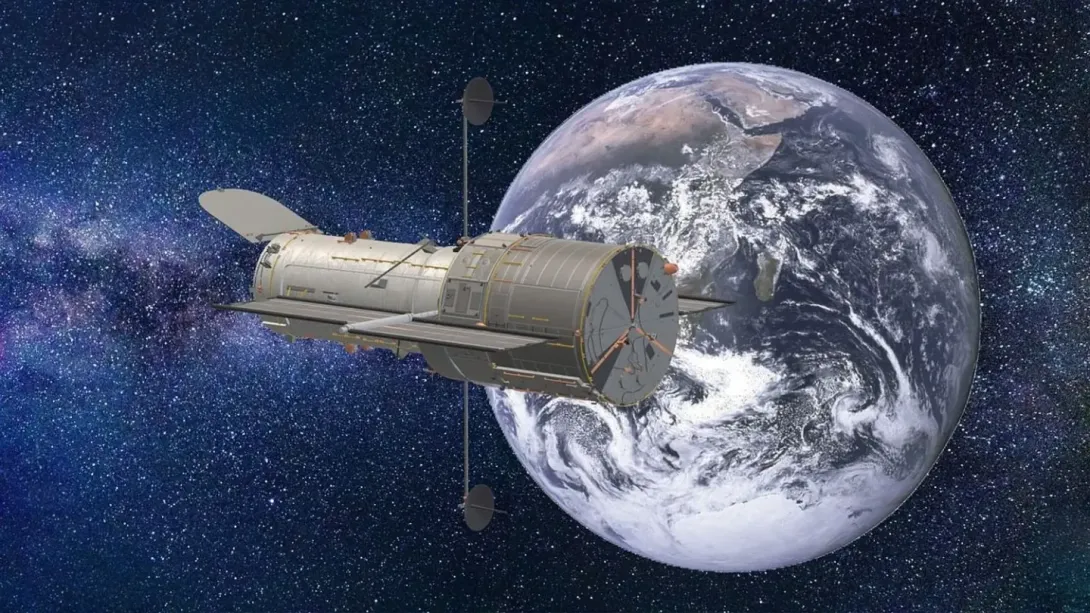
The rapid proliferation of satellites in low Earth orbit (LEO) is emerging as a pressing concern for astronomical research. With thousands of new satellites being deployed annually for communications, navigation, and commercial purposes, space telescopes face increased risks of interference, light pollution, and collision. Scientists warn that the dense orbital environment could compromise observational precision, delay research timelines, and increase operational costs. The challenge highlights the urgent need for international regulation, technological mitigation strategies, and strategic planning to ensure that space remains accessible for both scientific exploration and commercial development.
Satellite Proliferation and Orbital Congestion
In recent years, private companies and government agencies have accelerated satellite deployment, driven by global demand for broadband connectivity, Earth observation, and navigation services. Industry estimates indicate that more than 10,000 active satellites are projected to orbit Earth within the next decade. This unprecedented growth has intensified orbital congestion, raising the probability of collisions, debris generation, and operational disruptions for existing spacecraft, including critical space telescopes tasked with observing faint astronomical phenomena.
Impact on Scientific Observation
Space telescopes rely on unobstructed views of deep space to capture high-resolution images and conduct sensitive measurements. The increasing density of satellites introduces bright streaks, radio-frequency interference, and unpredictable orbital shadows that can compromise data quality. Astronomers have reported that long-exposure astrophotography and surveys are particularly vulnerable, potentially delaying research on galaxy formation, dark matter mapping, and exoplanet detection. The cumulative effect threatens decades of investment in scientific infrastructure.
Mitigation Strategies and Technological Solutions
Researchers and engineers are exploring multiple strategies to mitigate satellite-related risks. These include satellite “dimming” technologies to reduce brightness, coordinated orbital management, and software algorithms designed to remove satellite trails from images. Additionally, regulatory frameworks for orbital traffic management are being debated at the international level to ensure safe distances, controlled deorbiting, and transparency in satellite operations. Industry collaboration with scientific organizations is increasingly viewed as essential to preserve the operational integrity of space telescopes.
Economic and Strategic Implications
The consequences of satellite interference extend beyond science. Delays in space telescope missions can increase operational costs by millions of Rs., disrupt global research initiatives, and impact commercial applications reliant on astronomical data. Conversely, developing mitigation technologies and orbital management systems presents a significant business opportunity, potentially spawning new markets in space safety, satellite design, and space traffic coordination. Analysts emphasize that balancing commercial expansion with scientific preservation is vital for sustainable growth in the space economy.
Looking Ahead
As satellite deployment continues at an unprecedented pace, the need for proactive planning has never been more urgent. Preserving the operational capabilities of space telescopes requires coordinated action between governments, private enterprises, and the scientific community. Strategic policies, innovative technological solutions, and international collaboration will be crucial to ensure that space remains a viable environment for both cutting-edge research and commercial advancement. The stakes are high: failure to act could fundamentally alter humanity’s ability to observe and understand the universe.
Comments