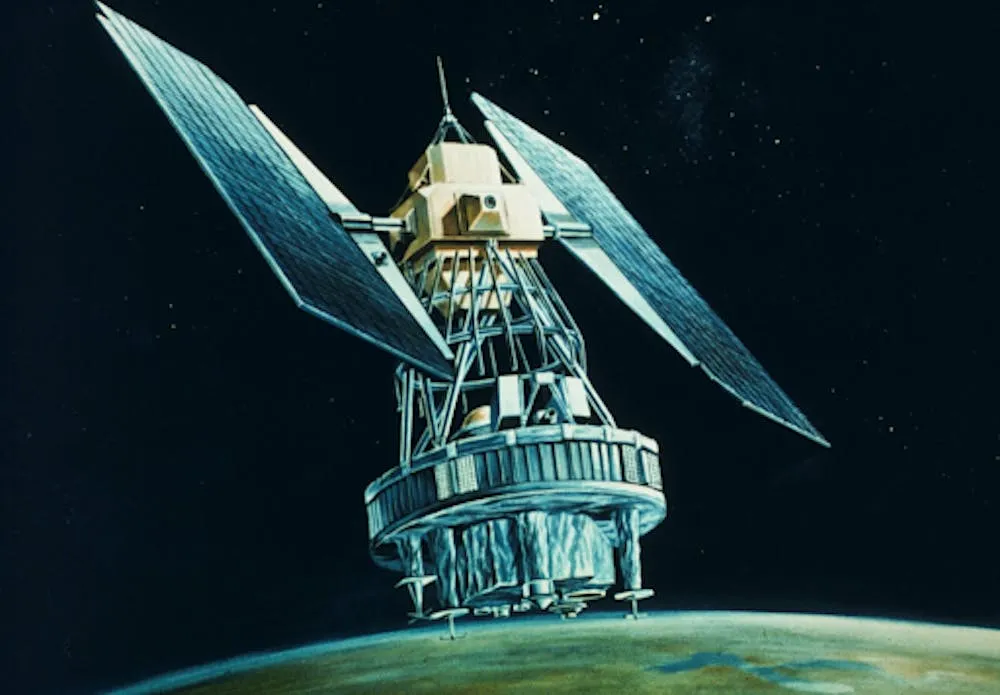
China’s Shenzhou-20 spacecraft has reportedly sustained structural and system damage during its mission, raising questions about operational safety and maintenance protocols in the nation’s rapidly expanding human spaceflight program. Preliminary assessments indicate that the damage affected critical modules, including thermal protection systems and onboard instrumentation, potentially compromising mission performance. While Chinese space authorities assert that crew safety was not at risk, the incident underscores the technical challenges of long-duration orbital operations. Analysts note that addressing these issues will be essential for sustaining China’s ambitions in space station assembly, lunar exploration, and international competitiveness in human spaceflight.
Incident Overview
Shenzhou-20, part of China’s ongoing manned spaceflight initiatives, encountered damage to its exterior and internal systems during orbital operations. Although official statements confirm that the spacecraft returned safely, investigations reveal that micro-meteoroid impacts and mechanical stress contributed to structural compromise. Observers suggest that timely detection and rapid response measures were critical in preventing mission failure, demonstrating both the inherent risks of space operations and the importance of robust engineering standards.
Technical Assessment
Preliminary analyses indicate that the affected areas include the thermal shielding and sensor arrays critical for navigation and life-support systems. While the spacecraft’s redundancy mechanisms mitigated immediate hazards to the crew, repairs and inspections will be required to restore full operational functionality. Aerospace engineers note that such incidents, though not unprecedented, highlight vulnerabilities in modular design and the challenges of long-term orbital exposure, especially during docking and undocking maneuvers with the Chinese space station modules.
Strategic Implications for China’s Space Program
The Shenzhou-20 incident emphasizes the delicate balance between rapid program expansion and stringent safety protocols. China’s human spaceflight program, which has seen a surge in crewed missions, space station assembly, and technological demonstrations, relies on flawless execution to maintain credibility on the global stage. Analysts caution that recurring technical setbacks could influence international partnerships, delay mission timelines, and increase costs, potentially affecting the nation’s strategic positioning in orbital infrastructure and future lunar missions.
Economic and Technological Considerations
Addressing the damage and preventing similar incidents in future missions will necessitate investment in advanced materials, enhanced monitoring systems, and comprehensive crew training protocols. While such expenditures may run into hundreds of millions of Rs., they are critical for safeguarding human life, ensuring mission success, and sustaining China’s competitive edge in the rapidly evolving commercial and governmental space sector. The incident also underscores the potential for domestic innovation in aerospace safety and resilience technologies.
Looking Forward
As investigations continue, lessons from the Shenzhou-20 mission are expected to inform design improvements, risk mitigation strategies, and operational protocols for future Chinese crewed spacecraft. By integrating advanced diagnostics, structural reinforcements, and enhanced contingency planning, China aims to strengthen its space program and maintain momentum in orbital research, space station construction, and long-term exploration objectives. The episode serves as a reminder of the inherent risks in human spaceflight and the high stakes involved in advancing national space capabilities.
Comments